ANCEL AD310 Review: 5 OBDII Protocols, No ABS Codes
The ANCEL AD310 is a corded OBD2 code reader that reads and clears engine and emissions trouble codes and shows live data, freeze frame data and emissions readiness. It suits everyday drivers with 1996-or-newer vehicles who want to know why the check engine light is on before they visit a shop.
- The appeal
- Supports all five OBDII protocols with no app or battery
- The catch
- Reads engine and emissions codes only, not ABS or airbags

As an Amazon Associate, we earn from qualifying purchases.
Our ANCEL AD310 video review
Key features
- Supports all five OBDII protocols, including CAN and J1850
- Reads and clears check engine codes within seconds
- Shows freeze frame data and I/M emissions readiness
- Powered by the car's port; no batteries or phone needed
- Large, easy-to-read text and clearly labeled buttons
- Thick 2.5 ft cable and solid 12 oz build
Limitations
- Reads engine and emissions codes only; no ABS, SRS or transmission
- Low-resolution 128x64 screen can't graph live data
- Won't work on OBDI vehicles, even with an adapter
- Listing gives no warranty length or terms
Who is the ANCEL AD310 for, and who should skip it?
The AD310 is for drivers who want a quick answer when the check engine light comes on. It fits owners of 1996-and-newer US vehicles and 2000-and-newer European and Asian cars, light trucks and SUVs who want to read a code, look it up and decide whether the problem can wait. You don't need any car knowledge or setup to use it. It's also useful for checking whether a car is ready for an emissions test.
Skip it if you need to diagnose transmission, ABS, airbag, body or other non-engine systems. ANCEL says plainly that the AD310 only reads emissions-related codes. It also won't work on pre-OBDII (OBDI) vehicles, even with an adapter. If you do your own repairs and need bidirectional tests, service resets or manufacturer-specific codes, look at a more advanced scan tool.
What does it actually do when the check engine light comes on?
You plug the AD310 into the OBDII port, which is usually under the steering column. It draws power from the car, so there are no batteries to charge. The listing says it can:
- Read and clear engine and emissions trouble codes
- Show live sensor data
- Show freeze frame data, a snapshot of conditions when the code was set
- Show I/M monitor readiness, which tells you whether the car is likely to pass an emissions test
- Read vehicle information
In our video review, the process was simple: plug it in, and the stored code shows up within seconds. After a repair, you can clear the code and turn off the light yourself. The readiness screen is the most underrated feature. If you clear codes right before an inspection, the monitors reset to "not ready," and this screen tells you whether you've driven enough for them to finish.
What sets it apart from other basic code readers?
There are two main differences. The first is protocol coverage. ANCEL says the AD310 supports all five OBDII protocols: KWP2000, J1850 VPW, ISO9141, J1850 PWM and CAN. Some very cheap readers support only a few of these, which can leave older domestic vehicles unable to connect. The second is how widely it's used. The AD310 has 66,545 ratings with a 4.6 out of 5 average, and it ranks #1 in Code Readers & Scan Tools on Amazon. ANCEL also says auto YouTuber Scotty Kilmer recommends it. That's the manufacturer's claim, not ours.
Its physical design also matters. It has a dedicated screen and physical buttons, so it doesn't depend on a phone, an app or a Bluetooth connection.
Which specs matter, and what do they mean in practice?
- Screen: 2.4 inches, 128x64 pixels. That's a low-resolution monochrome-style display. In our video review, the text was large and easy to read. It isn't suited to graphing live data, though.
- Cable: 2.5 feet (about 0.76 m), with thick, flexible insulation. That's long enough to hold the tool in your lap while seated, but not long enough to read it from under the hood.
- Weight: 12 ounces (about 340 g). In our video review, it felt solid and sturdy enough to survive a drop onto the garage floor.
- Size: 8.9 x 6.9 x 1.4 inches, according to the listing. These figures probably describe the package, since in our video it fit easily in a glove box.
- Power: drawn from the vehicle's data link connector. It has no internal battery.
- In the box: the scanner and a user's manual.
The listing doesn't give warranty length or terms. Check the current listing, or ask ANCEL, before you buy.
What are the limitations and trade-offs?
The main limit is scope. The AD310 reads engine and emissions codes and nothing else. As we noted in our video review, it can't see a transmission, ABS or airbag warning light. It can't run system tests, reset oil service reminders or program anything either.
The low-resolution screen shows live data as text only, so spotting trends such as a failing oxygen sensor is harder than on a tool with graphs. Code lookups can also be basic. Depending on the code, you may still need to search the code number online to see common causes for your vehicle. Finally, ANCEL itself suggests confirming compatibility with its customer service before you buy. That's worth doing if you drive a less common make or an early-OBDII vehicle.
How does it compare with the alternatives shoppers consider?
Bluetooth OBD2 dongles plug into the port and send data to a phone app. They can show graphs and code descriptions on a bigger screen, but they depend on your phone, the app, and sometimes an app subscription. The AD310 works on its own and doesn't need pairing.
Free code reads at parts stores cost nothing, but you have to drive there, and they don't let you watch live data or check readiness whenever you want.
Mid-range handheld scan tools add ABS, SRS and transmission coverage, color screens and service resets. Choose one of those if you work on your own brakes or chase airbag lights. If you only care about the check engine light, the AD310 covers that more simply.
Is the ANCEL AD310 worth it?
Yes, for its intended job. The AD310 reads and clears check engine codes quickly, shows freeze frame and readiness data, supports all OBDII protocols, and needs no batteries, apps or setup. Our video review confirmed it's easy to use and well built, and the large number of owner ratings backs that up. The trade-offs are clear and stated up front: it covers engine and emissions codes only, its screen is basic, and warranty details aren't listed. If you want to know whether that light means a loose gas cap or a trip to the shop, this is an easy recommendation.
Score: 8.2/10. Verdict: Worth it.
ANCEL AD310 specs
- Brand
- ANCEL
- Language
- English
- Brand Name
- ANCEL
- Screen Size
- 2.4 inches
- Manufacturer
- ANCEL
- Model Number
- AD310
- Power Source
- Corded Electric
- Item Type Name
- ANCEL AD310 Classic Enhanced Universal OBD II Scanner Car Engine Fault Code Reader CAN Diagnostic Scan Tool - Black
- Number of Items
- 1
- Operating System
- Linux
- Native Resolution
- 128x64
- Product Dimensions
- 8.9"L x 6.9"W x 1.4"H
How we made this review
We recorded a video review of this product (above) and combined it with the manufacturer's specifications, the product listing and verified owner feedback. We weigh every product against the alternatives shoppers usually consider, and our editors check every verdict and score. We don't accept free products or payment for reviews. Our approach.
Is the ANCEL AD310 worth it for you?
Should you buy the ANCEL AD310 for check engine lights?
Buying guides featuring the ANCEL AD310
BUYING GUIDE
Amazon Car Finds Worth Buying in 2026: 8 Upgrades We Actually Reviewed
Eight Amazon car upgrades for jump-starting, tire inflation, diagnostics, and visibility, reviewed with their real-world catches.
More in Tools & Home Improvement
Tools & Home Improvement
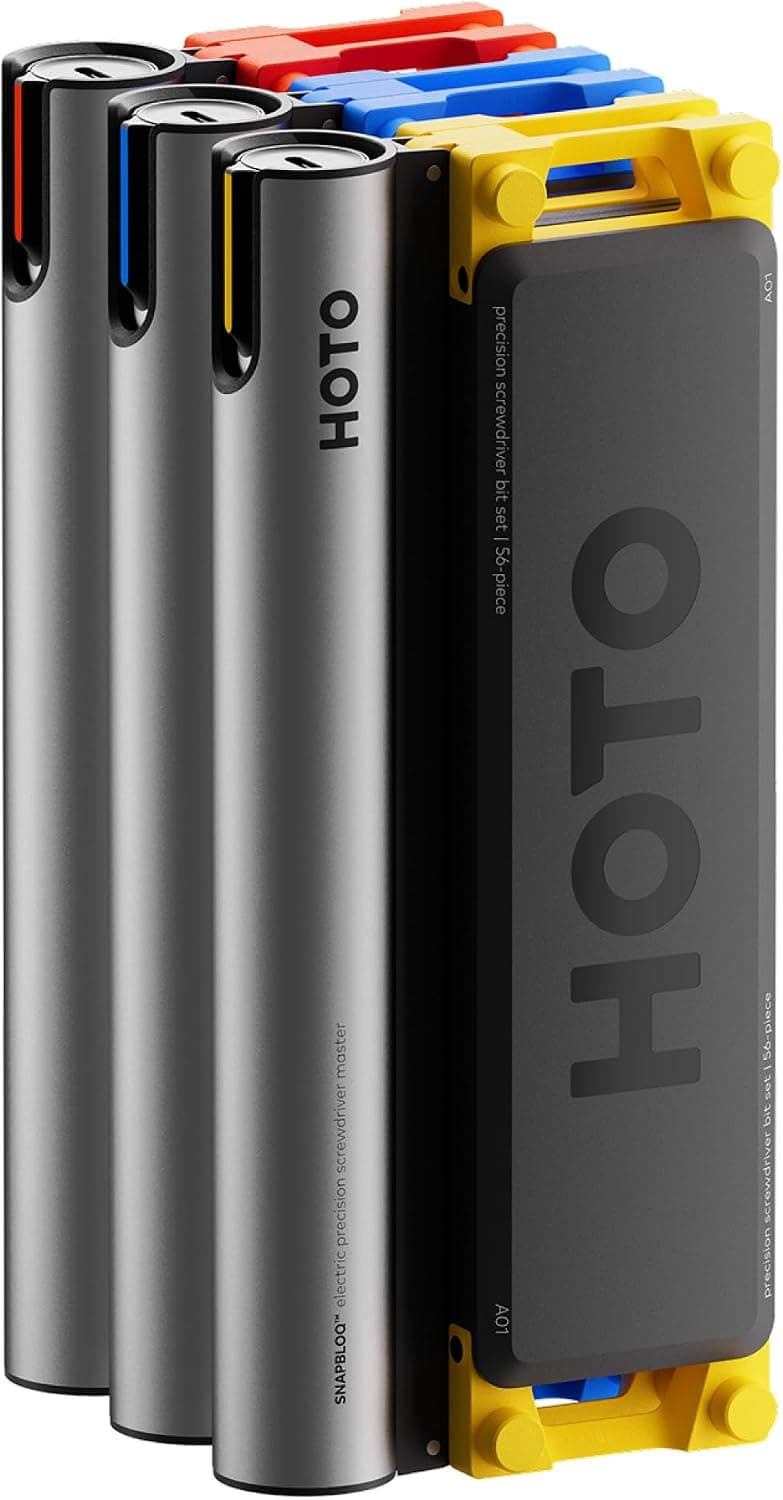
HOTO SNAPBLOQ
THE APPEALThree coordinated precision tools plus 114 accessories in one tidy kit
THE QUESTIONShould you buy the HOTO SNAPBLOQ tool system?
Read the analysis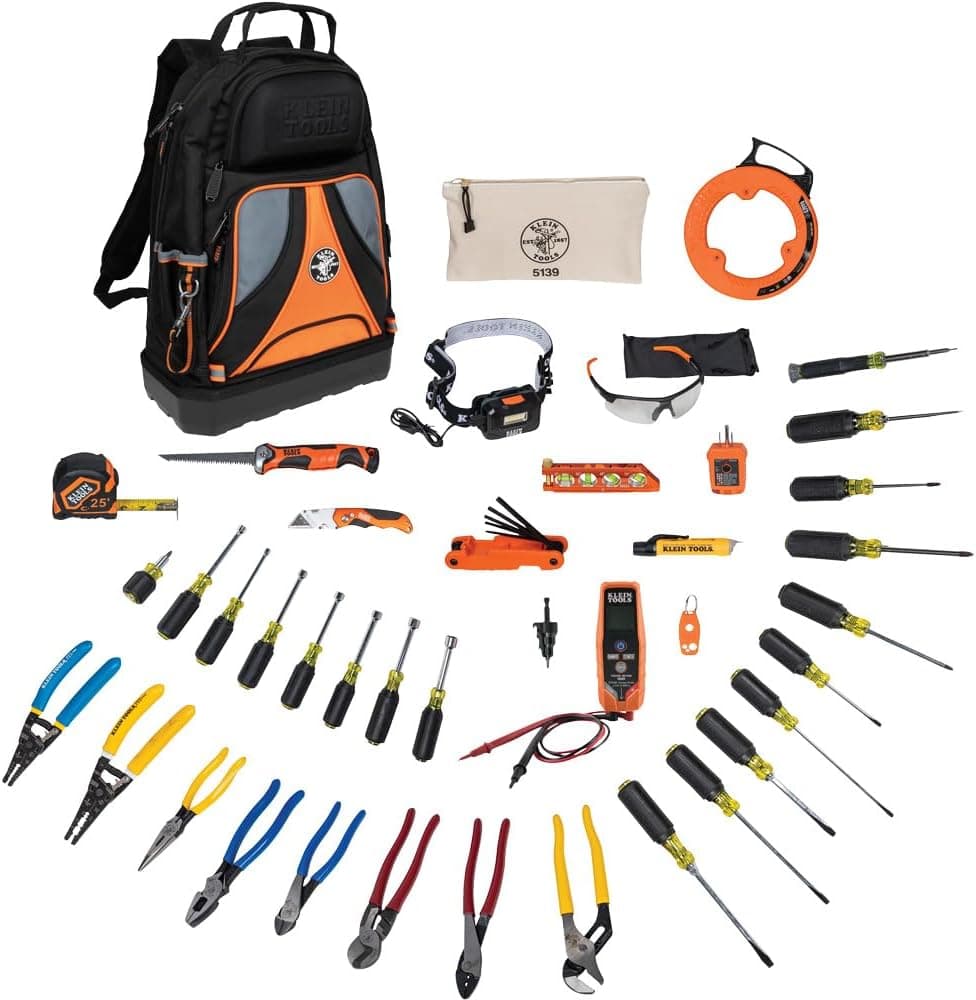
Tools & Home Improvement
Klein Tools 80141
THE APPEALGenuine pro-grade Klein pliers and strippers in one buy
THE QUESTIONShould you buy this electrician's starter tool kit?
Read the analysis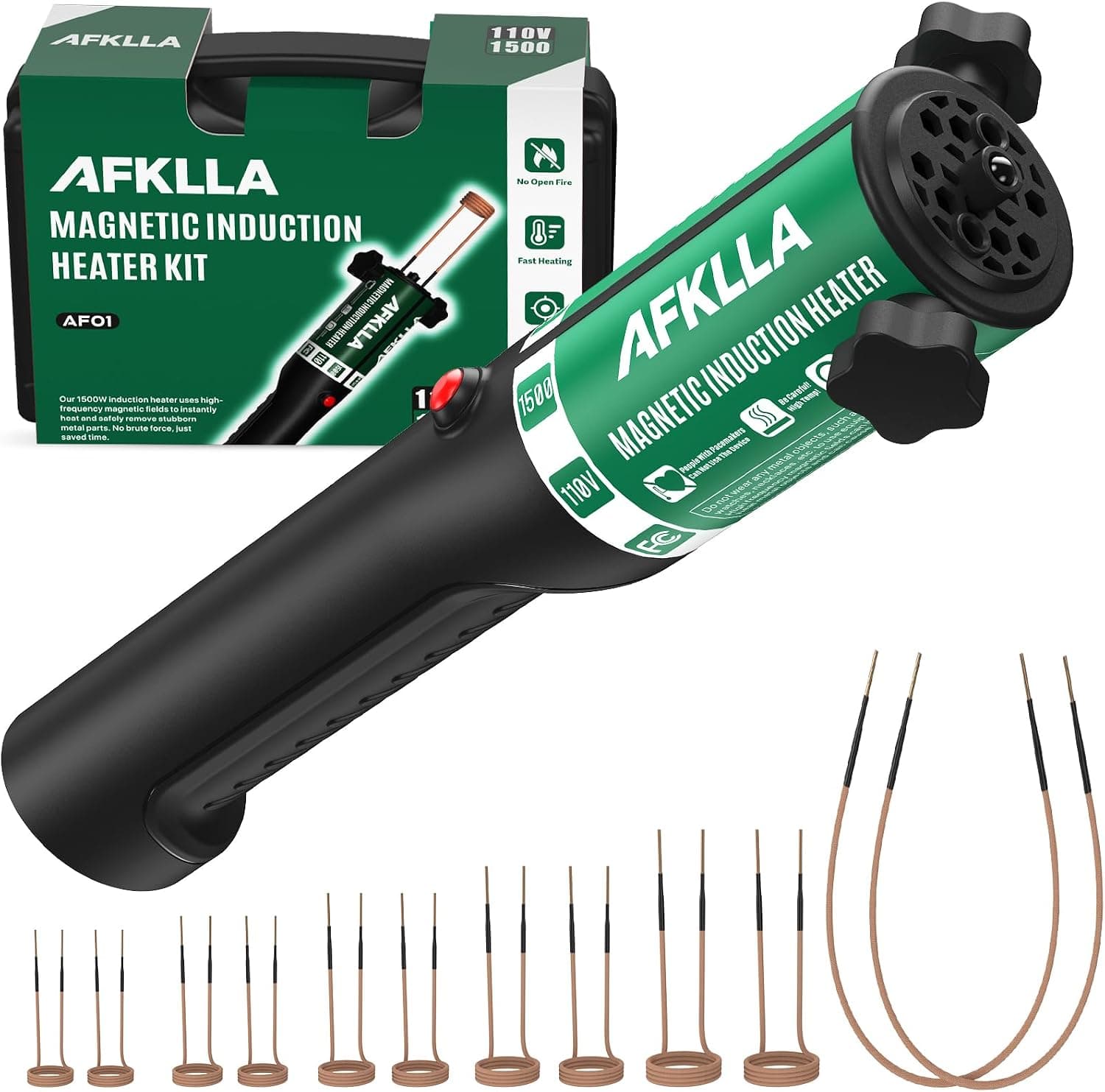
Tools & Home Improvement
AFKLLA AF02 Induction Heater
THE APPEALFlameless 1500W heat loosens seized bolts in about 25 seconds
THE QUESTIONShould you buy an induction heater for seized bolts?
Read the analysisMore reviews worth your time

Electronics
Amazon Kindle 16 GB
THE APPEALGlare-free 6-inch screen with up to 6 weeks of battery
THE QUESTIONShould you buy the basic 16 GB Kindle?
Read the analysis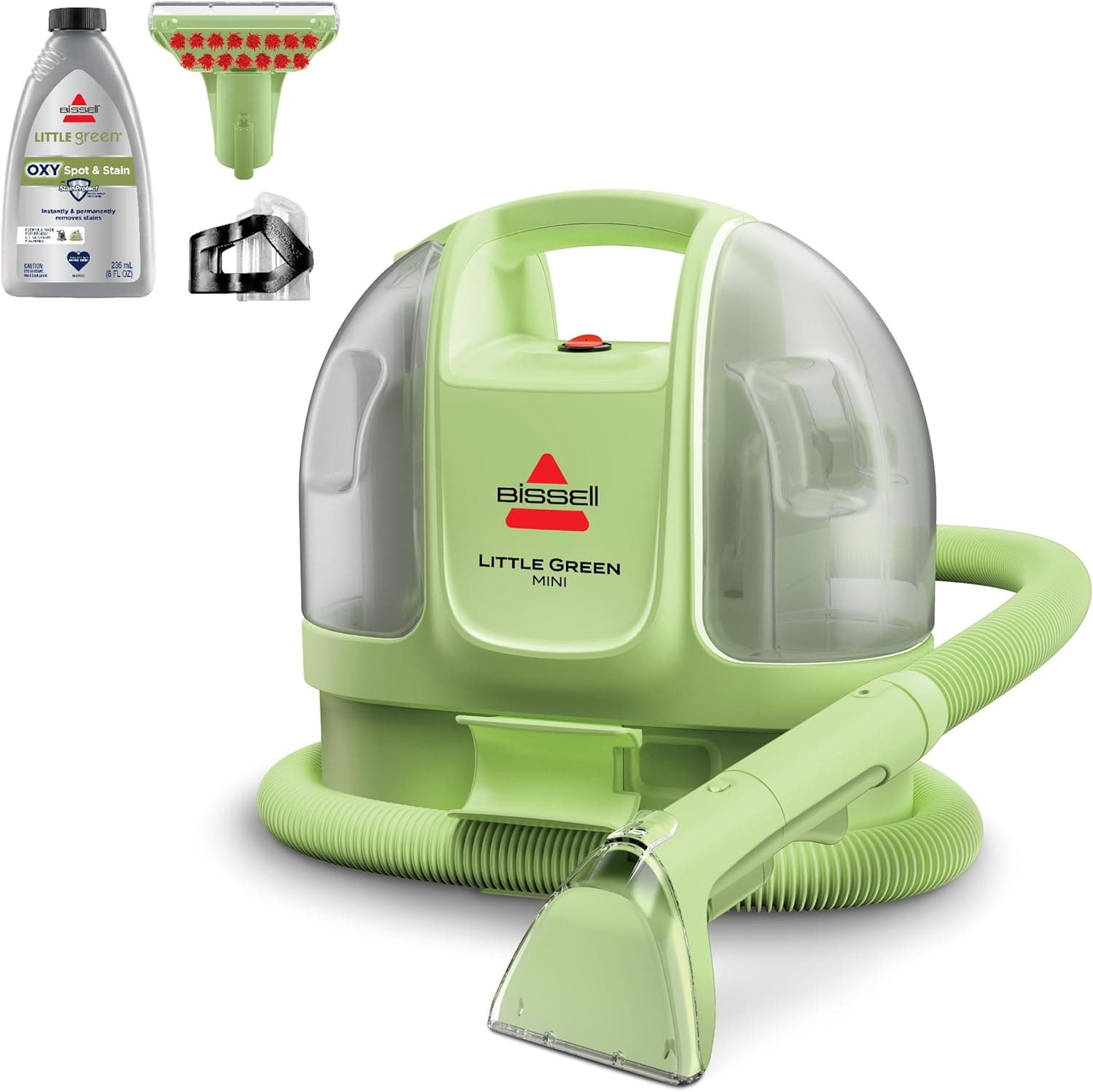
Appliances
BISSELL Little Green Mini 4075
THE APPEALCompact enough to grab and clean spills while fresh
THE QUESTIONShould you buy the BISSELL Little Green Mini?
Read the analysis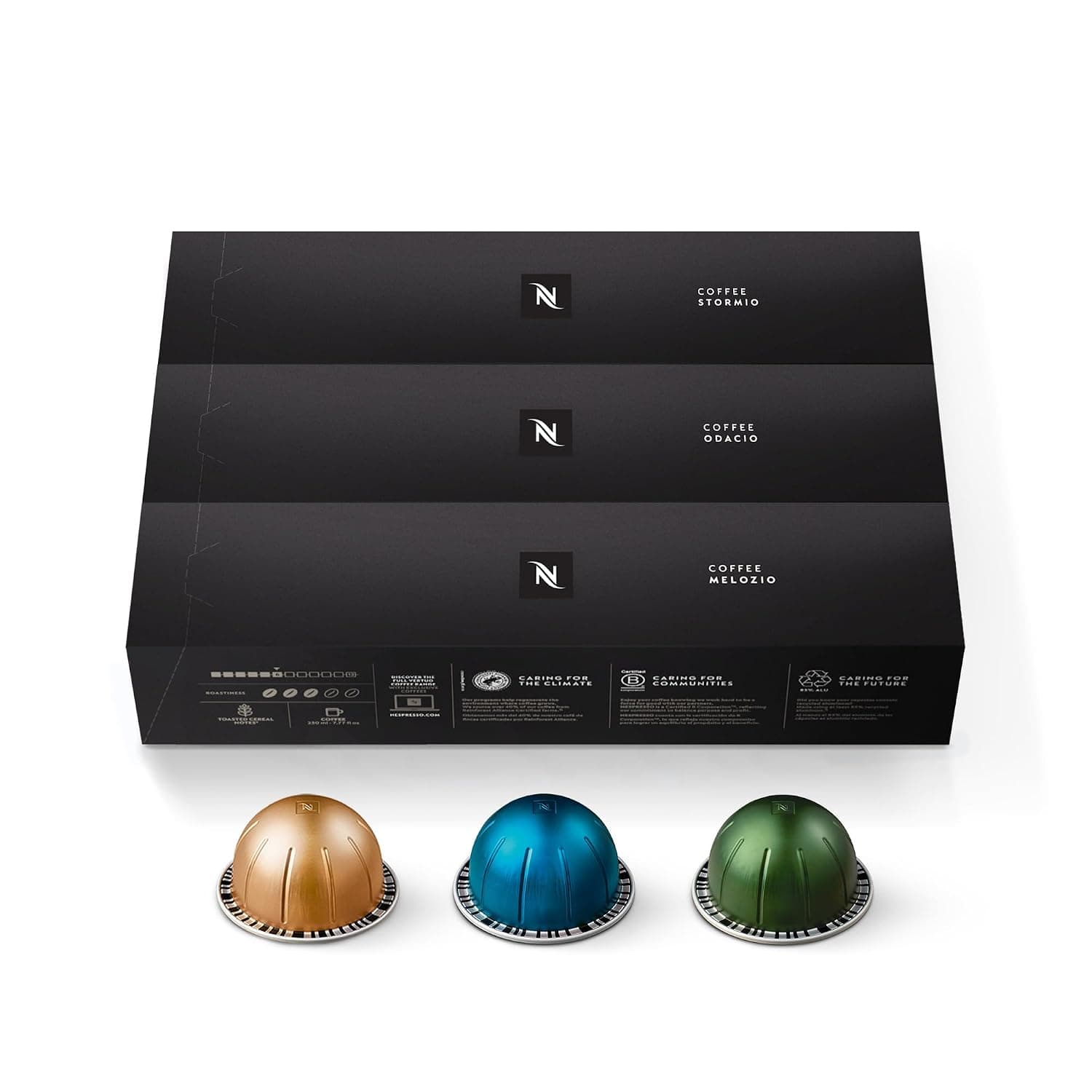
Grocery
Nespresso Vertuo Capsules
THE APPEALThree Vertuo blends, ten pods each, at intensities 6 to 8
THE QUESTIONShould you stock your Vertuo with this variety pack?
Read the analysis