Epson Lifestudio Pop Plus: 700 Lumens, Dark Room Only
A compact lifestyle projector with Google TV, Bose-tuned stereo sound, and auto setup that casts up to a 150-inch image. Best for people who want a big screen in a dim room without a soundbar or extra streaming stick.
- The appeal
- 150-inch screen with real Bose sound, no soundbar needed
- The catch
- 700 lumens means it only looks good dark

As an Amazon Associate, we earn from qualifying purchases.
Our Epson Lifestudio Pop Plus video review
Key features
- Projects up to a 150-inch image in a dark room
- Bose-tuned stereo sound replaces a soundbar for most people
- 3-chip 3LCD avoids the rainbow effect entirely
- Google TV built in, no streaming stick needed
- Auto focus and alignment set up in seconds
- 20,000-hour LED light source, no lamp to replace
Limitations
- 700 lumens needs a dim or dark room
- Picture washes out in bright daylight
- Native vs pixel-shifted 4K unclear on listing
- Needs up to 11 feet for 150 inches
What is the Lifestudio Pop Plus, really?
This is Epson's take on the "lifestyle" projector: a small, living-room-friendly box that runs Google TV, has speakers tuned with Bose technology built in, and sets itself up in a few seconds. It is not a traditional home theater projector you bolt to the ceiling and feed from a receiver, even though the spec sheet lists a ceiling mount option. The pitch is simplicity. You put it on a table, point it at a wall, and start watching Netflix.
In our video review, we described it as modern and minimal, something that fits naturally in a bedroom or a living room rather than a dedicated media cave. That framing matters, because it tells you what Epson optimized for and what it left out.
Who is it for, and who should skip it?
Buy it if you want a casual big-screen experience without a 75-inch TV dominating the room, and if you can control the light where you watch. Apartments, bedrooms, small living rooms, and the occasional backyard movie night after sunset are the sweet spot. It is also a good pick if you hate fiddling with settings, because the auto setup does the annoying parts for you.
Skip it if your room has big windows and no blinds, or if you are a home theater enthusiast who wants precise color calibration, high brightness, and manual lens controls. In our video review we said the same thing plainly: this is not the projector for very bright rooms or for people who want extreme brightness and advanced controls. If that is you, this will frustrate you.
What does 700 lumens actually get you?
This is the number that decides whether you will be happy. The Pop Plus puts out 700 lumens of color brightness and 700 lumens of white brightness. That is dim by projector standards. Many living-room projectors aimed at bright rooms push 2,000 to 3,000 lumens or more, so 700 is roughly a third of that.
In practice, 700 lumens means you need a dim or dark room. After sunset with the lights off, or in a room with blackout curtains, the picture looks good and colors come across as balanced and natural. We saw skin tones look believable and movies feel immersive in those conditions. Turn on a lamp or let afternoon sun in, and the image washes out fast, especially at larger sizes. The bigger you blow up the picture, the more you spread those 700 lumens thin, so a 150-inch image in a bright room is not realistic. Treat 150 inches as the ceiling for a dark room, not a daytime number.
Is the picture really 4K?
The listing calls it 4K PRO-UHD and lists a native resolution of 3840 x 2160, driven by Epson's 3-chip 3LCD Triple Core Engine. Epson's 3LCD design has a real advantage worth knowing about: because it uses three separate LCD chips for red, green, and blue instead of a spinning color wheel, you do not get the rainbow effect that some single-chip projectors show, where quick flashes of color appear in high-contrast scenes. People sensitive to that will notice the difference.
One thing to verify on the listing before you buy: Epson's "PRO-UHD" branding has historically meant pixel-shifting a lower-resolution chip to put a 4K-equivalent image on the wall rather than a true native 4K panel. The spec sheet here says native 3840 x 2160, so check the product Q&A or the fine print behind that footnote if native 4K panels are a dealbreaker for you. Either way, the detail looked sharp to us and colors were accurate.
How good is the Bose sound and Google TV?
Better than you would expect from a box this size. Most projectors ship with throwaway speakers that send you straight to a soundbar. This one does not. The built-in stereo system tuned with Bose technology plays clear dialogue, gets genuinely loud, and has more bass than we assumed it would. For casual watching, you can skip the external speaker entirely, which keeps the setup clean and the cable count low.
Google TV is built in, so you stream Netflix, Disney+, YouTube, Hulu, and the rest directly, no Fire Stick or Chromecast hanging off an HDMI port. The interface is smooth, the included remote has a mic for voice search through Google Assistant, and you power on and watch. There is also an Epson Projection Studio app for iOS and Android for sharing your own videos, which is more of a party trick than a core reason to buy.
How painless is setup, and what are the connections?
This is where the Pop Plus earns its keep. EpiqSense 2.0 handles focus, color, and screen alignment automatically in a few seconds when you move it or power it on. No manual keystone wrestling, no squinting at a focus wheel. For connections you get HDMI and USB ports plus Wi-Fi and Bluetooth, so you can hook up a game console or laptop and send audio out to headphones or a speaker if you want.
A few practical numbers: throw distance runs from 2 to 11 feet for an image between 30 and 150 inches, so you need some room depth to go really big. The LED light source is rated for 20,000 hours, which at four hours a night is over 13 years, so you will not be replacing a lamp. It pulls about 101 watts.
How does it compare with the alternatives?
Against a budget portable projector, the Pop Plus wins on image processing, sound, and auto setup, and it skips the rainbow effect. Against a bright DLP lifestyle projector in the same lane, the trade is clear: those often hit higher lumens for brighter rooms, while the Epson leans on color accuracy, Bose-tuned audio, and no rainbow artifacts but asks you to dim the lights. Against a big 4K TV, the Epson gives you a 100-to-150-inch picture a TV cannot touch, but a TV stays watchable with the blinds open. The 3.8-star average from 35 ratings suggests buyers are split, and the brightness is the most likely reason.
The verdict
The Lifestudio Pop Plus does exactly what Epson designed it to do: an easy, good-looking big screen with real sound and no setup headaches, as long as you watch in a dim or dark room. The 700-lumen rating is the whole story. Accept that limit and you will like it. Fight it with a bright room and you will be disappointed. Good for its intended buyer, with one trade-off you cannot design around.
Score: 6.8 out of 10.
Epson Lifestudio Pop Plus specs
- Brand
- Epson
- Color
- Black
- Wattage
- 101 watts
- Brightness
- 700 lm
- Model Name
- Lifestudio Pop Plus Projector – Black Pop Plus EF62B
- Form Factor
- Portable
- Item Weight
- 3.8 pounds
- Display Type
- LED
- Manufacturer
- Epson
- Model Number
- V11HB73120
- Mounting Type
- Ceiling Mount
- Built-In Media
- Projector, power supply, remote control, batteries
How we made this review
We recorded a video review of this product (above) and combined it with the manufacturer's specifications, the product listing and verified owner feedback. We weigh every product against the alternatives shoppers usually consider, and our editors check every verdict and score. We don't accept free products or payment for reviews. Our approach.
Is the Epson Lifestudio Pop Plus worth it for you?
Is this projector bright enough for your room?
More in Projectors
Projectors
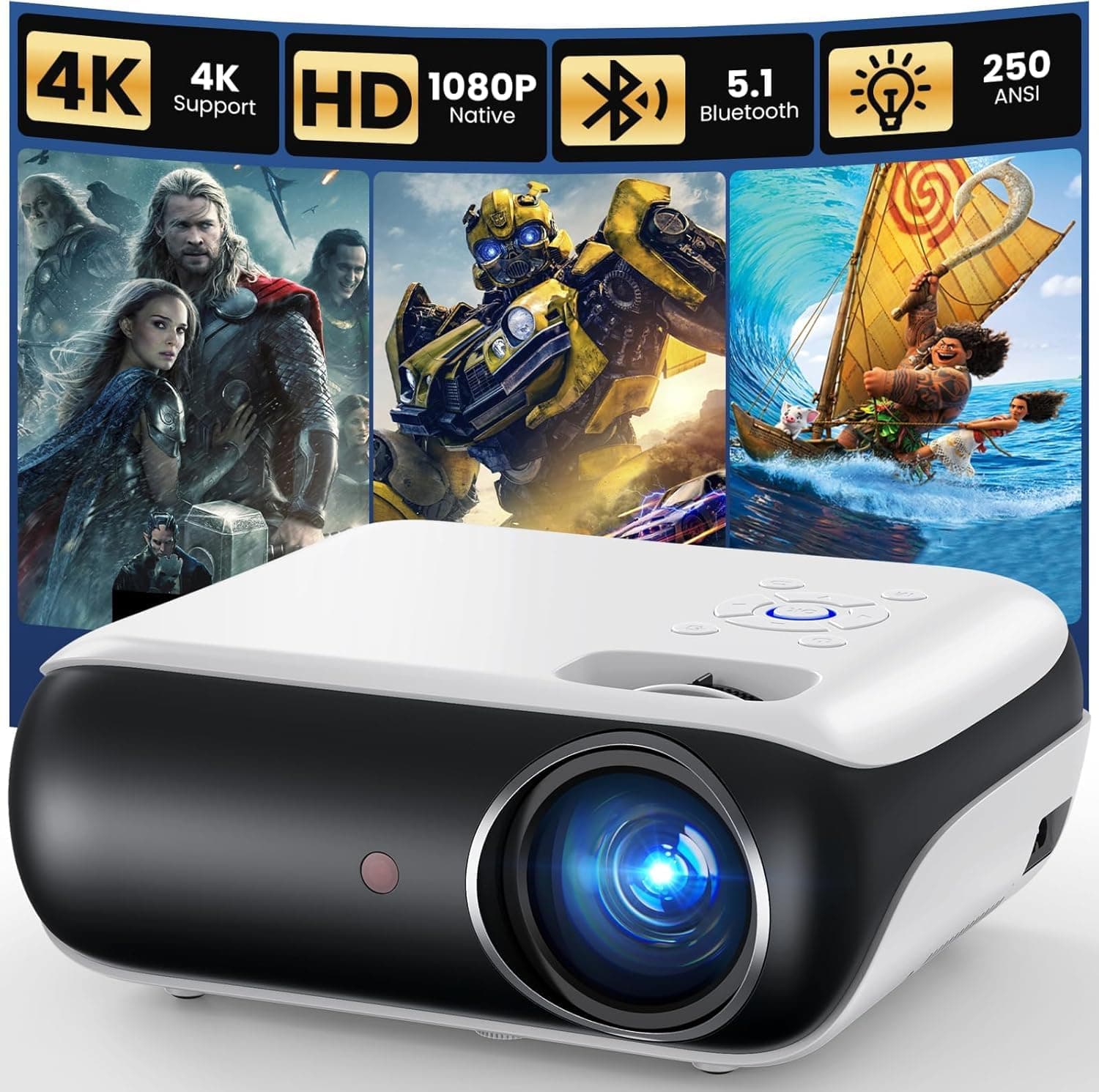
HAPPRUN H1 Projector
THE APPEALReal native 1080p picture up to 200 inches for little money
THE QUESTIONIs this budget 1080p projector bright enough for you?
Read the analysis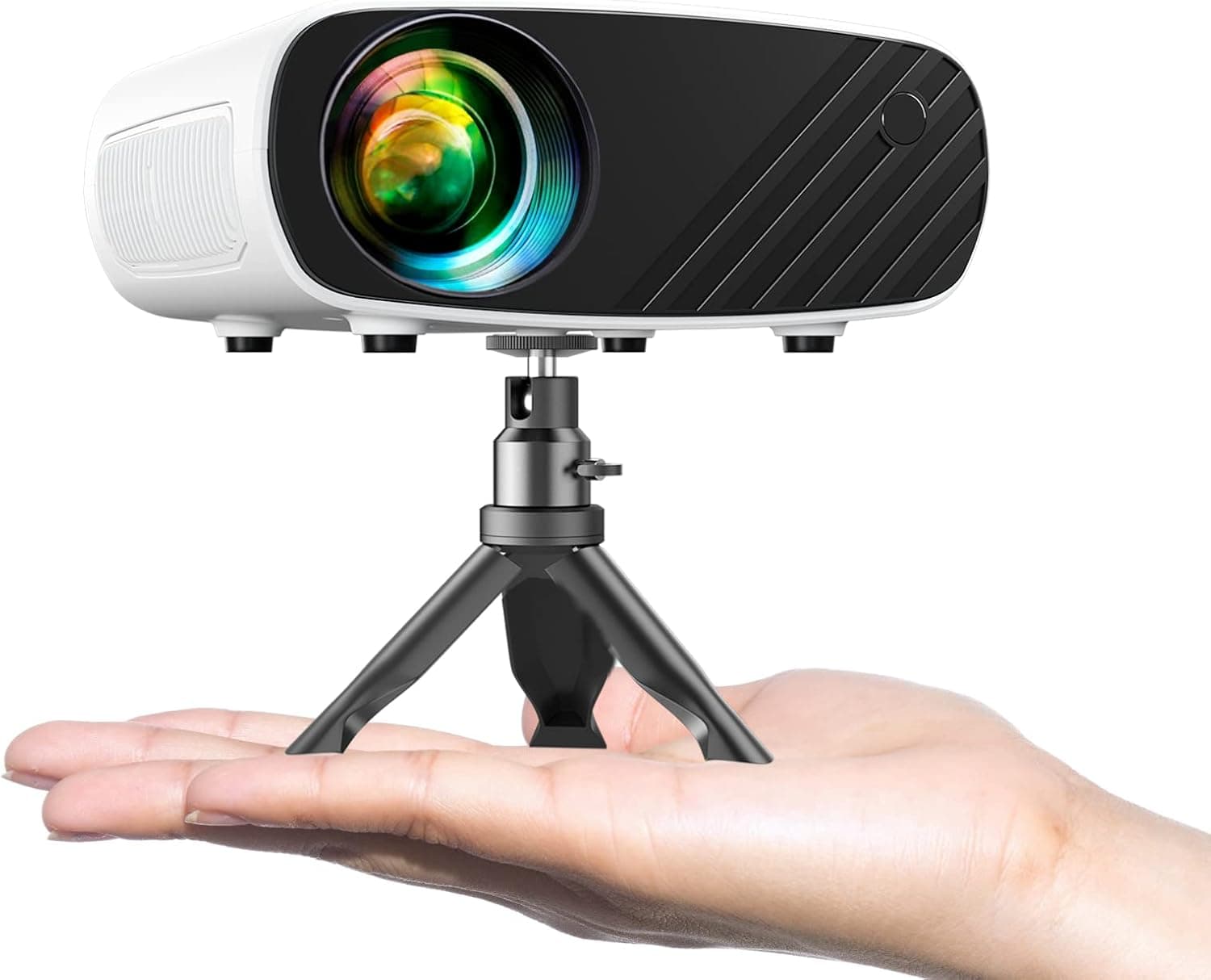
Projectors
ELEPHAS BL128 Mini Projector
THE APPEALFits in your palm yet throws up to 200 inches
THE QUESTIONShould you buy this palm-sized phone projector?
Read the analysis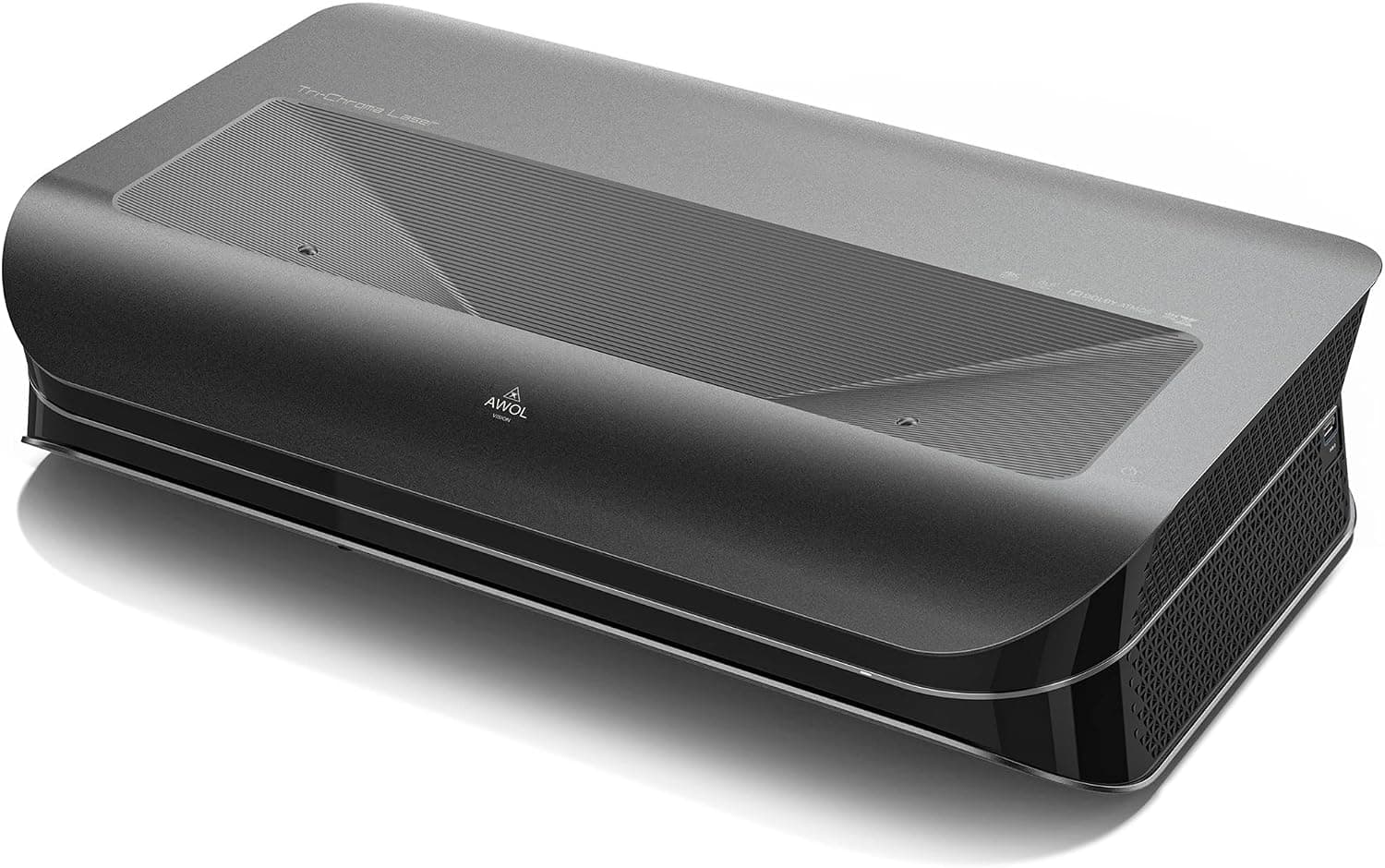
Projectors
AWOL Vision LTV-2500
THE APPEAL150-inch 4K triple-laser image from inches off the wall
THE QUESTIONWill this UST projector light up your living room?
Read the analysis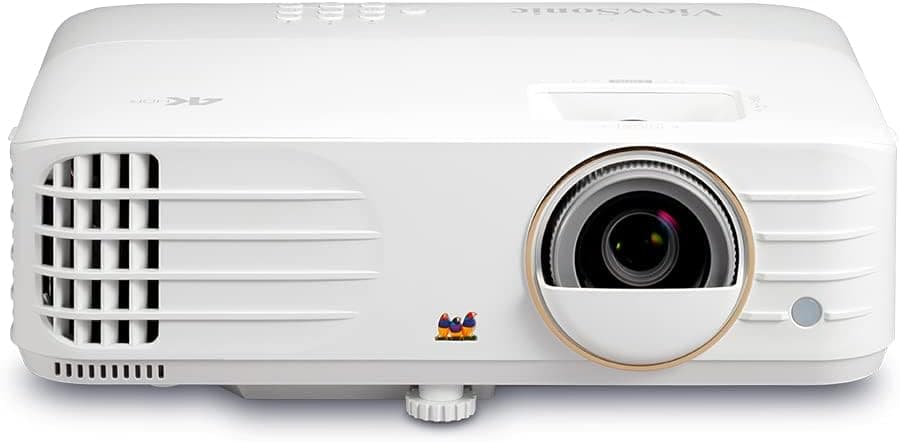
Projectors
ViewSonic PX748-4K
THE APPEAL4000 lumens keeps 4K watchable with the lights on.
THE QUESTIONShould you buy this bright 4K gaming projector?
Read the analysis
Projectors
Dangbei DBX3 Pro
THE APPEALALPD laser lasts 25,000 hours with hands-off auto setup
THE QUESTIONIs this laser 4K projector worth your money?
Read the analysis
Projectors
AWOL Vision LTV-3500 Pro
THE APPEALA 150-inch true-4K triple-laser picture from inches off the wall
THE QUESTIONShould you buy the AWOL Vision LTV-3500 Pro?
Read the analysis