JMGO N1 Ultra Review: 1900 Lumens, 1600:1 Contrast
A portable triple-laser 4K projector with a built-in 360-degree gimbal, Android TV 11, and Dynaudio speakers. Best for people who want one grab-and-go unit for bright rooms, patios, and casual movie nights rather than a dedicated blacked-out home theater.
- The appeal
- 360-degree gimbal aims the 4K image anywhere in seconds
- The catch
- 1600:1 contrast leaves dark scenes looking gray, not black

As an Amazon Associate, we earn from qualifying purchases.
Our JMGO N1 Ultra video review
Key features
- Triple RGB laser delivers bright, vivid color (110% BT.2020)
- 360-degree gimbal points the image anywhere in seconds
- Auto keystone, focus, and object avoidance just work
- Dynaudio 10W speakers loud enough to skip a soundbar
- Android TV 11 with Chromecast built in
- 30,000-hour laser life, essentially maintenance-free
Limitations
- 1600:1 contrast leaves dark scenes grayish
- Netflix support on Android TV projectors is often finicky
- Single USB-A 2.0 port limits drive playback
- Brightness spec listed inconsistently as ISO and ANSI
What exactly are you buying?
The JMGO N1 Ultra is a portable DLP projector built around a triple RGB laser light engine (JMGO calls it MALC) and a motorized gimbal that lets the whole optical assembly pan 360 degrees and tilt 135 degrees. In plain terms, the projector sits on its base and the "head" swivels, so you can point an image at a wall, the ceiling, or a screen across the patio without stacking books under one corner.
It runs Android TV 11 with Chromecast built in, puts out a claimed 1900 ISO lumens, covers 110% of the BT.2020 color space, supports HDR10, and has a pair of 10W Dynaudio-tuned speakers. Rated laser life is 30,000 hours, which at four hours a night is north of 20 years. It holds a 4.2 rating across 166 reviews.
Who is it for, and who should skip it?
Buy it if you move your projector around. The gimbal plus auto keystone, autofocus, auto screen fit, and object avoidance mean you can set it on a coffee table, aim it at the ceiling for a lazy Sunday, then carry it outside in the included EPP bag. For bright living rooms and casual use, the laser engine has the horsepower most lamp projectors lack.
Skip it if your goal is a dedicated dark-room theater where black levels and shadow detail are everything. The contrast spec is the giveaway here (more on that below). Also skip it if you need a projector 15-plus feet from the wall. Maximum throw is 13 feet and the shortest is 5.2 feet, so this is a mid-distance unit, not a true short-throw you shove against the wall.
How good does the picture actually look?
In our video review, the triple-laser image was genuinely bright and the color was the standout. Reds and greens pop in a way lamp and single-laser projectors can't match, and the 110% BT.2020 figure backs up what we saw. For daytime cartoons, sports, and video games in a room with some ambient light, it holds up far better than a typical portable.
The number to sit with is the 1600:1 contrast ratio. That's low for a home-theater projector, and it's the one spec that defines this machine's personality. Bright scenes look fantastic. Dark scenes, like space movies or dim horror films, come out grayish, and black bars on a 2.35:1 film look more charcoal than black. HDR10 is supported, but without deep contrast, HDR here is more about color volume and brightness than inky blacks.
On resolution: the listing calls it native 3840 x 2160, but it's a single-chip DLP, so expect pixel-shifting to hit 4K rather than a true 8.3-million-mirror panel. The result still looks crisp and detailed from a normal viewing distance. MEMC motion smoothing and 3D Blu-ray support are both on board.
Does the setup really work as advertised?
This is where the N1 Ultra earns its keep. The gimbal is the real thing, not a marketing flourish. In our video review, pointing the image at the ceiling or shifting it to a different wall took seconds, and the auto keystone and autofocus squared things up on their own. Smart object avoidance nudges the frame away from a light switch or wall vent.
Keystone correction is convenient, but remember it works by cropping and distorting pixels in software. A dead-on, centered projection always looks sharpest, so use the correction as a backstop, not a crutch.
How is the sound and the smart TV side?
The dual 10W Dynaudio speakers are better than you expect from something this size, with a claimed 45Hz low end and Dolby Audio plus DTS decoding. For a backyard movie or a casual night in, you won't need external speakers. For a real theater feel you'll still want a soundbar, and there's Bluetooth 5 and HDMI eARC to send audio out.
Android TV 11 with the Play Store and Google Assistant voice is the easy part, mostly. The usual projector asterisk applies: Netflix licensing on these Android TV projectors is often finicky, so if Netflix is a must, confirm on the current listing or Q&A that it runs natively rather than through a workaround. Chromecast built in handles casting from phones and laptops.
What are the connections and the real limitations?
You get two HDMI 2.1 ports with eARC, one USB-A, a 3.5mm headphone jack, and Wi-Fi. HDMI 2.1 is good news for gamers on paper, though this isn't a low-latency gaming projector by reputation, so check input-lag figures if competitive gaming matters.
Two things to flag. First, the listing's own spec sheet contradicts itself: the headline says 1900 ISO lumens while another field reads 1900 ANSI lumens. Those are different measurement standards, and ISO/ANSI figures aren't directly comparable, so treat the brightness claim as "bright for a portable" rather than a lab-verified ANSI number. Our video script quoted a much higher 3,600-lumen figure that we can't substantiate against the spec data, so we'd anchor on the listed 1900. Second, the USB port is 2.0 and there's just one of it, so this isn't a media-playback workhorse off a drive.
How does it compare to the alternatives?
Against a cheap 1080p LCD portable, there's no contest on color and brightness; the laser engine is a real step up and the gimbal is unique at this size. Against premium triple-laser home-theater projectors, the N1 Ultra trades black-level performance for portability and that swiveling head. Ultra-short-throw laser TVs will give you a bigger, brighter image from inches away but weigh a ton and never leave the room. The N1 Ultra's pitch is flexibility: one unit that goes from bedroom ceiling to backyard fence in the same evening.
Verdict
The JMGO N1 Ultra is a legitimately clever, bright, colorful portable that nails the one thing most projectors make you fight with: pointing it where you want. The 1600:1 contrast keeps it out of true home-theater territory, and the spec-sheet inconsistencies on brightness mean you should set expectations around "great in a lively room" rather than "reference dark-room picture." For the person who wants color, convenience, and genuine go-anywhere setup, it's an easy recommendation with one eyes-open trade-off. Score: 7.6 out of 10.
JMGO N1 Ultra specs
- Brand
- JmGO
- Color
- Black
- Voltage
- 120 volts
- Wattage
- 200 watts
- Brightness
- 1900 lm
- Model Name
- N1 Ultra
- Form Factor
- Portable
- Item Weight
- 9.9 pounds
- Display Type
- DLP
- Lamp Wattage
- 10 watts
- Manufacturer
- JMGO
- Model Number
- N1 Ultra
How we made this review
We recorded a video review of this product (above) and combined it with the manufacturer's specifications, the product listing and verified owner feedback. We weigh every product against the alternatives shoppers usually consider, and our editors check every verdict and score. We don't accept free products or payment for reviews. Our approach.
Is the JMGO N1 Ultra worth it for you?
Is this portable 4K laser projector good enough?
More in Projectors
Projectors
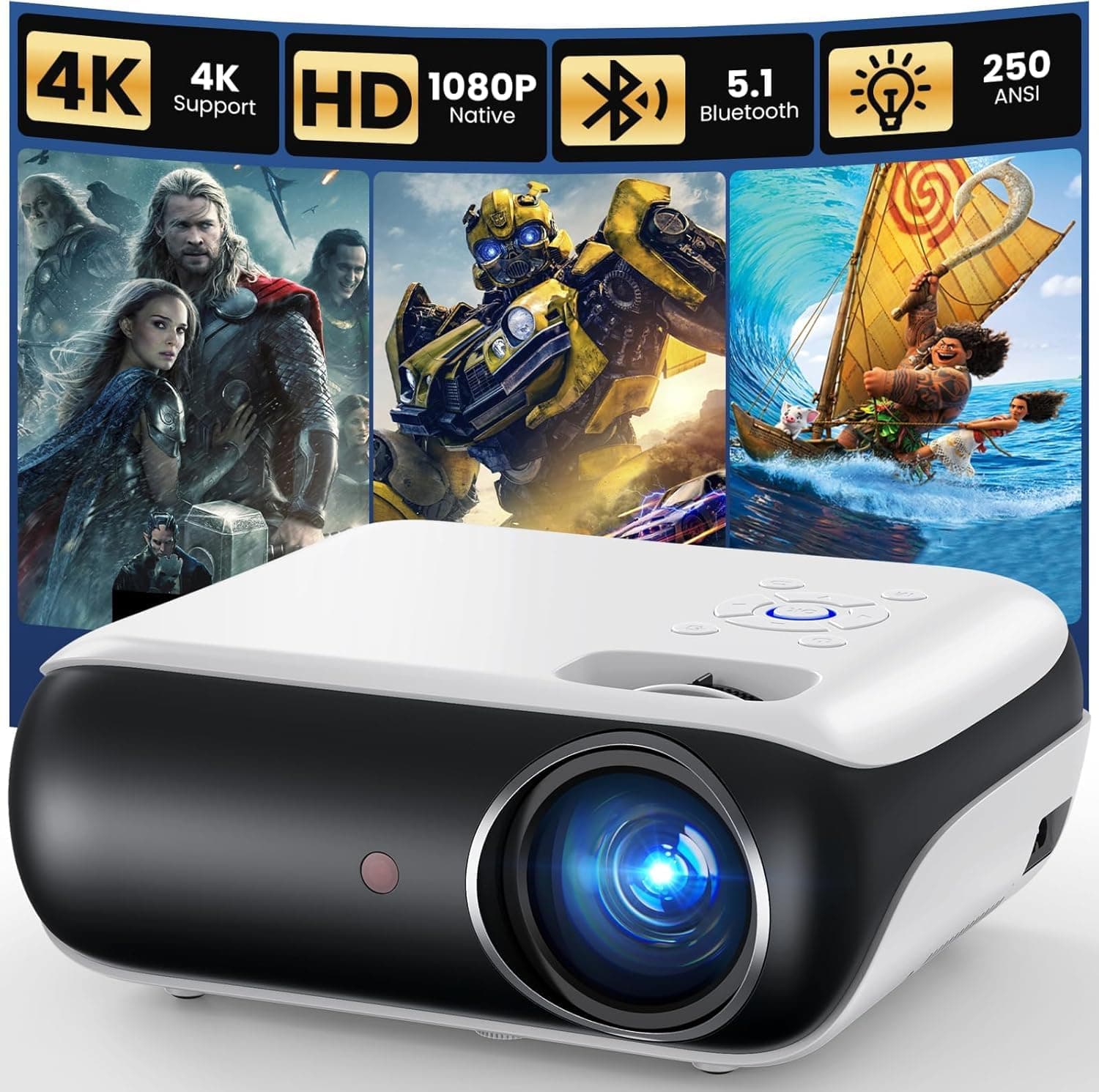
HAPPRUN H1 Projector
THE APPEALReal native 1080p picture up to 200 inches for little money
THE QUESTIONIs this budget 1080p projector bright enough for you?
Read the analysis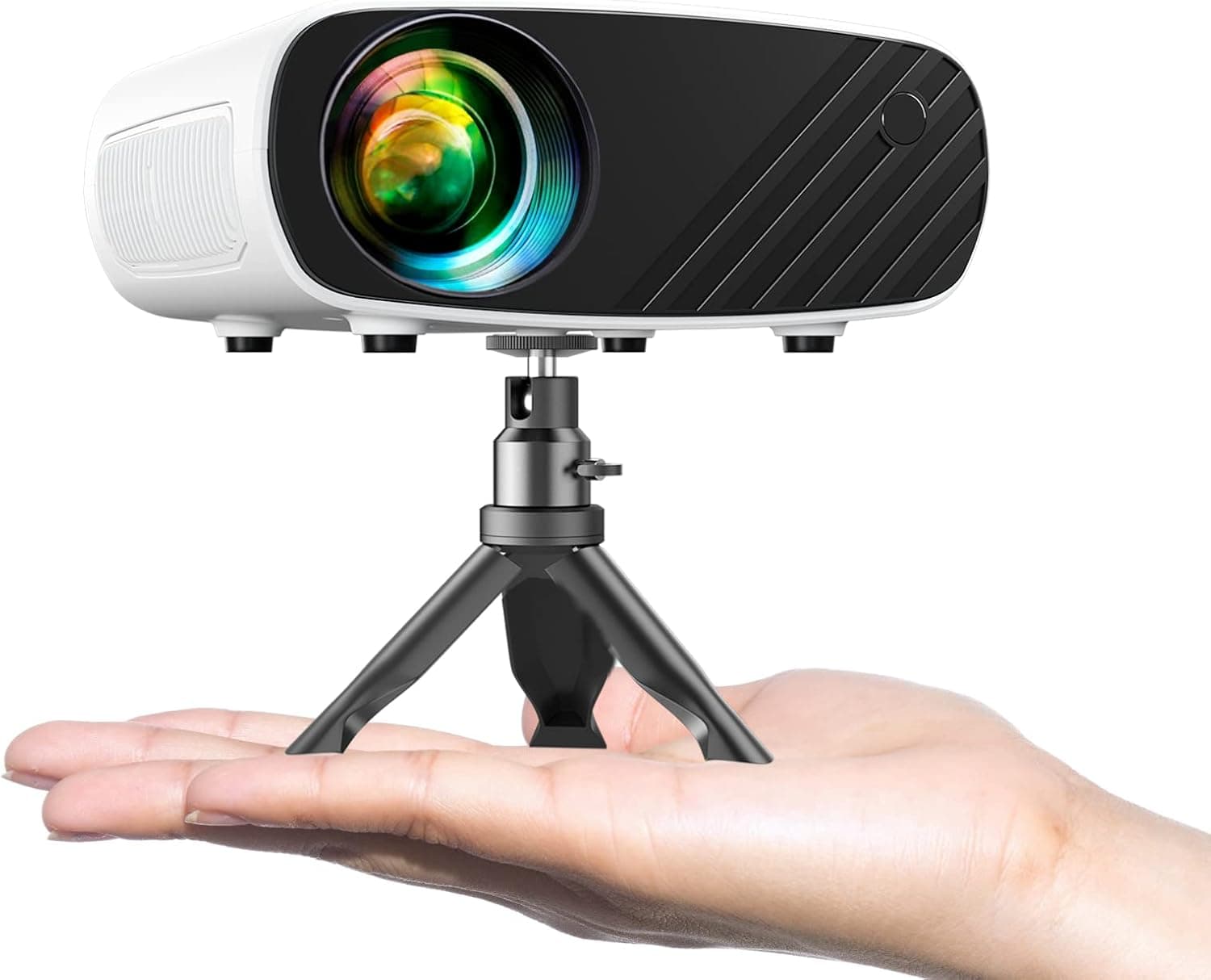
Projectors
ELEPHAS BL128 Mini Projector
THE APPEALFits in your palm yet throws up to 200 inches
THE QUESTIONShould you buy this palm-sized phone projector?
Read the analysis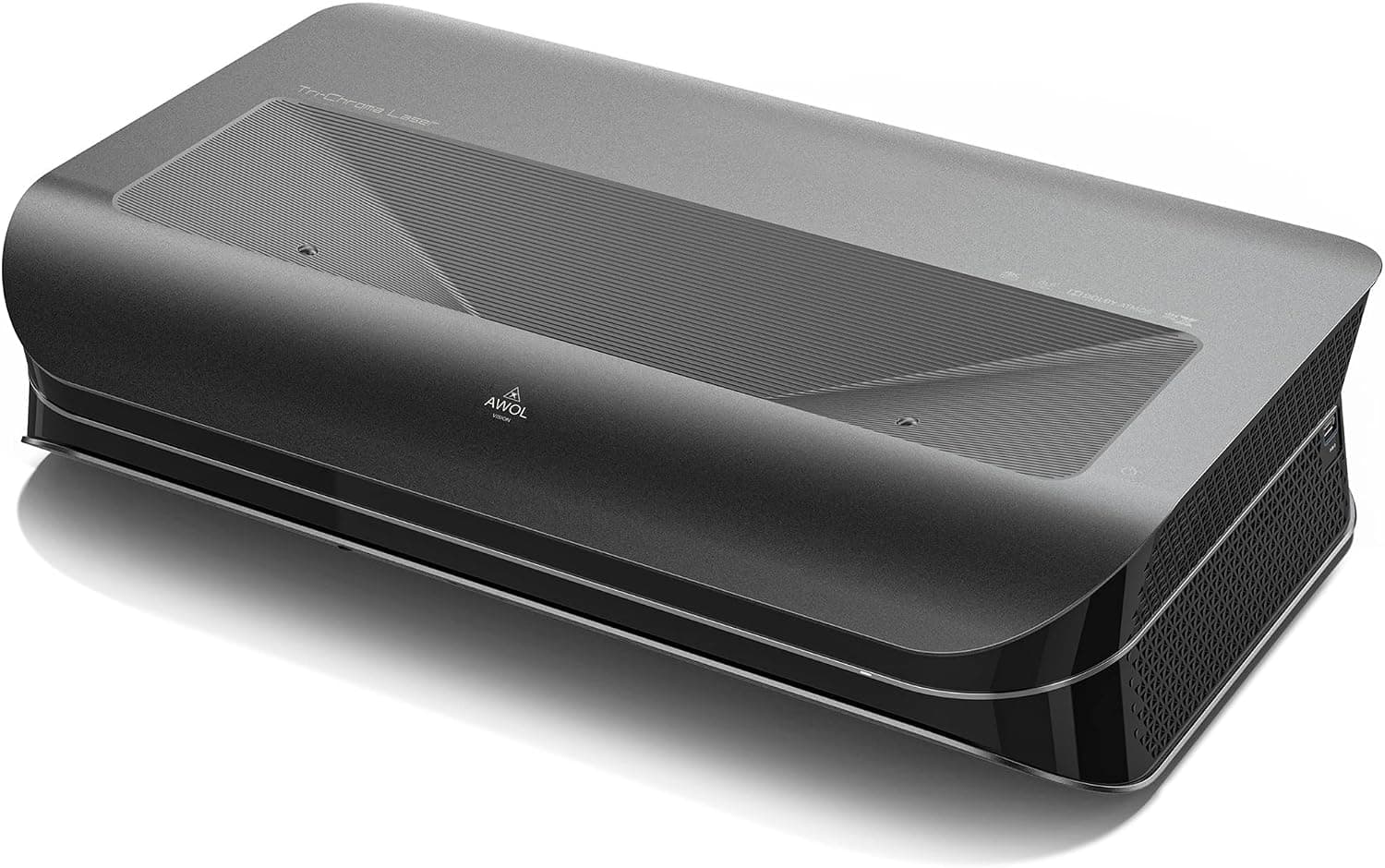
Projectors
AWOL Vision LTV-2500
THE APPEAL150-inch 4K triple-laser image from inches off the wall
THE QUESTIONWill this UST projector light up your living room?
Read the analysis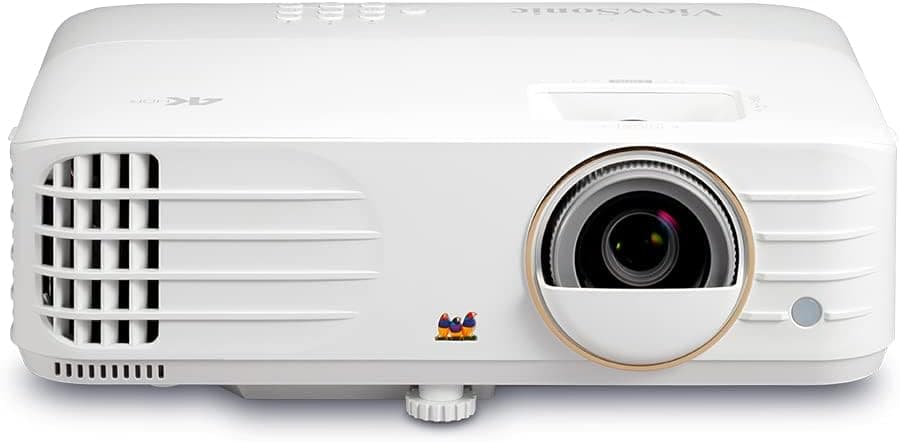
Projectors
ViewSonic PX748-4K
THE APPEAL4000 lumens keeps 4K watchable with the lights on.
THE QUESTIONShould you buy this bright 4K gaming projector?
Read the analysis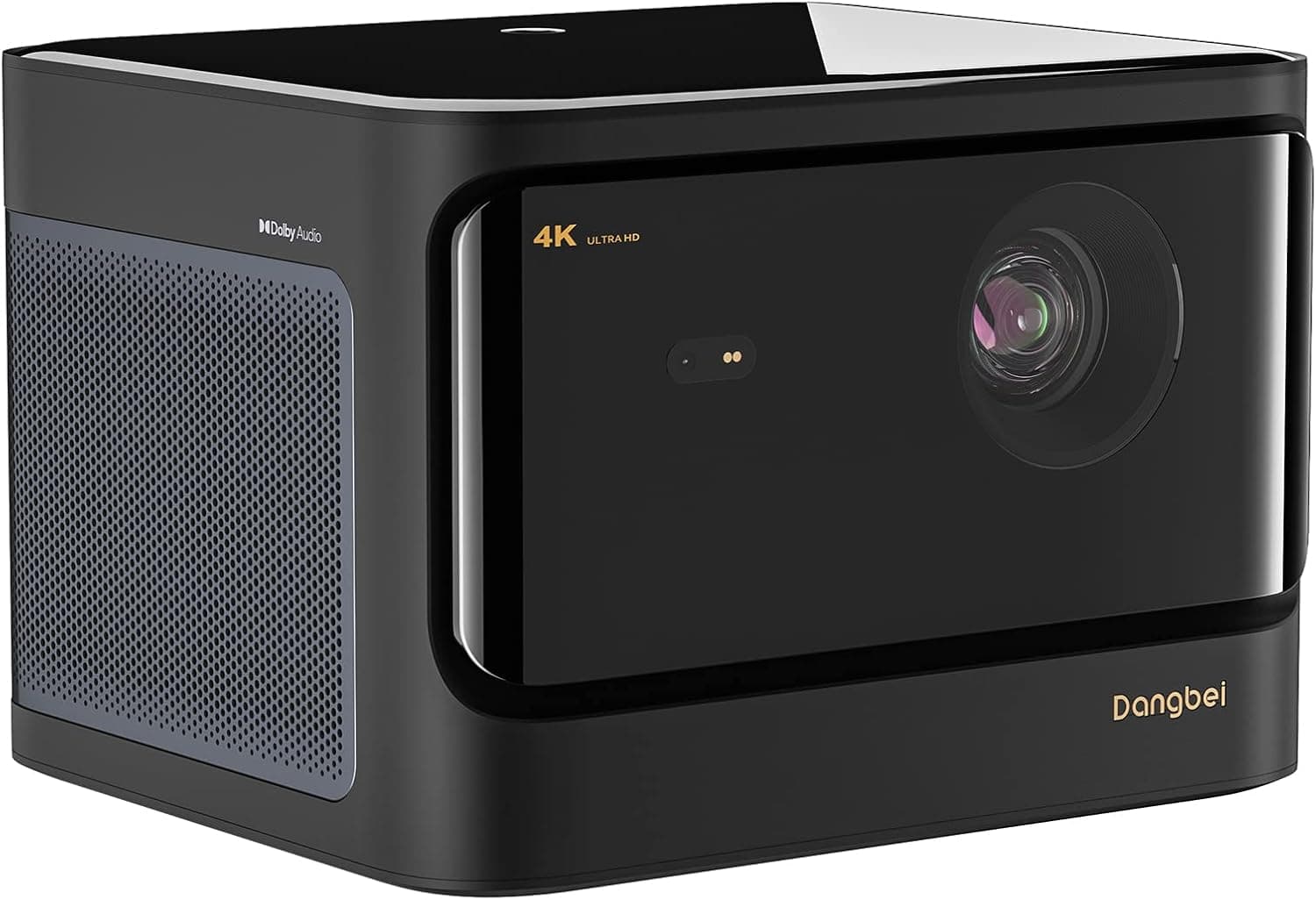
Projectors
Dangbei DBX3 Pro
THE APPEALALPD laser lasts 25,000 hours with hands-off auto setup
THE QUESTIONIs this laser 4K projector worth your money?
Read the analysis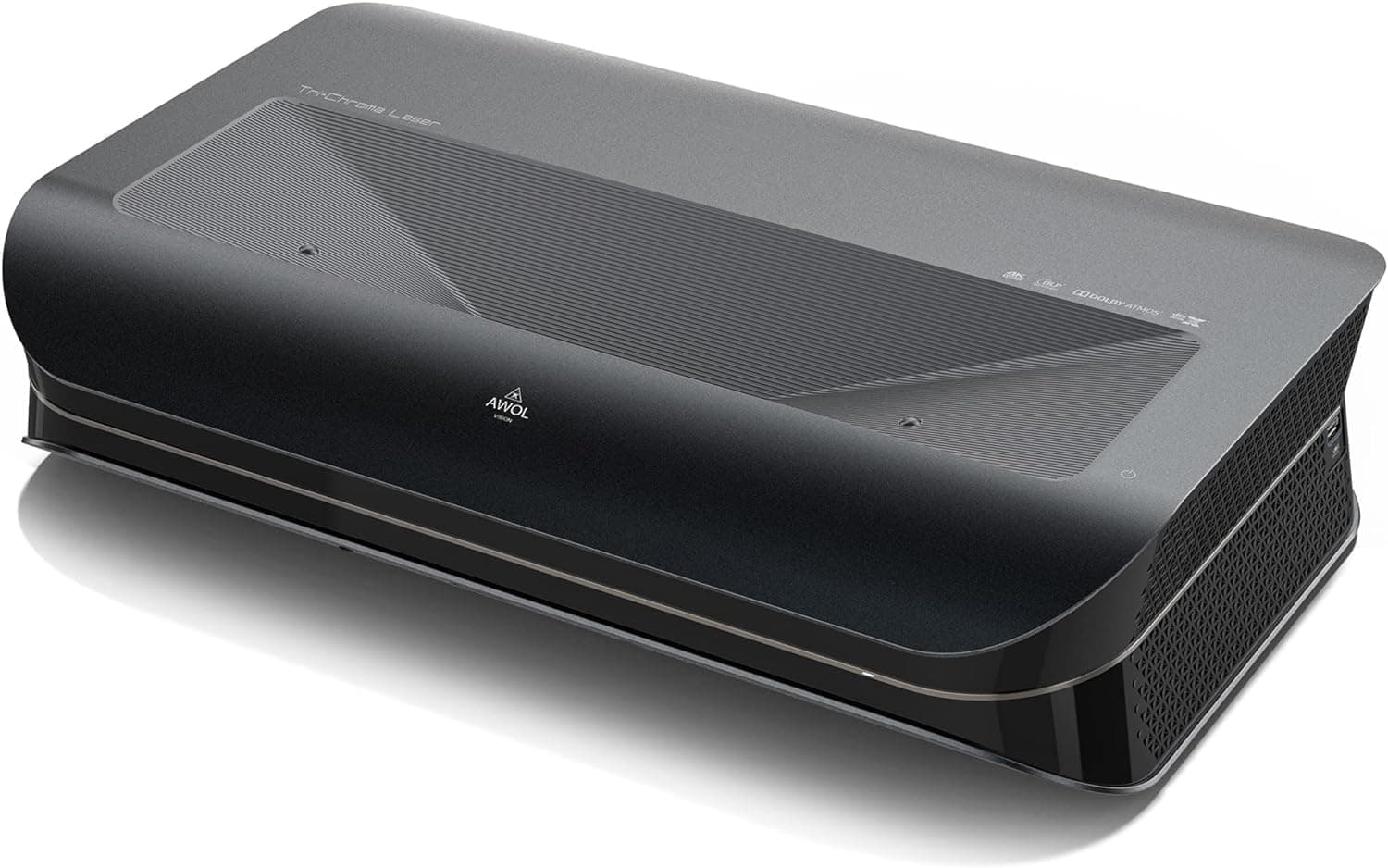
Projectors
AWOL Vision LTV-3500 Pro
THE APPEALA 150-inch true-4K triple-laser picture from inches off the wall
THE QUESTIONShould you buy the AWOL Vision LTV-3500 Pro?
Read the analysis