BUYING GUIDE · October 26, 2026
XGIMI Horizon Ultra vs H2: Is the Step Up Worth It?
A buying guide comparing XGIMI's Horizon Ultra and H2 projectors on brightness, resolution, and streaming to help US shoppers pick the right one.


Quick answer
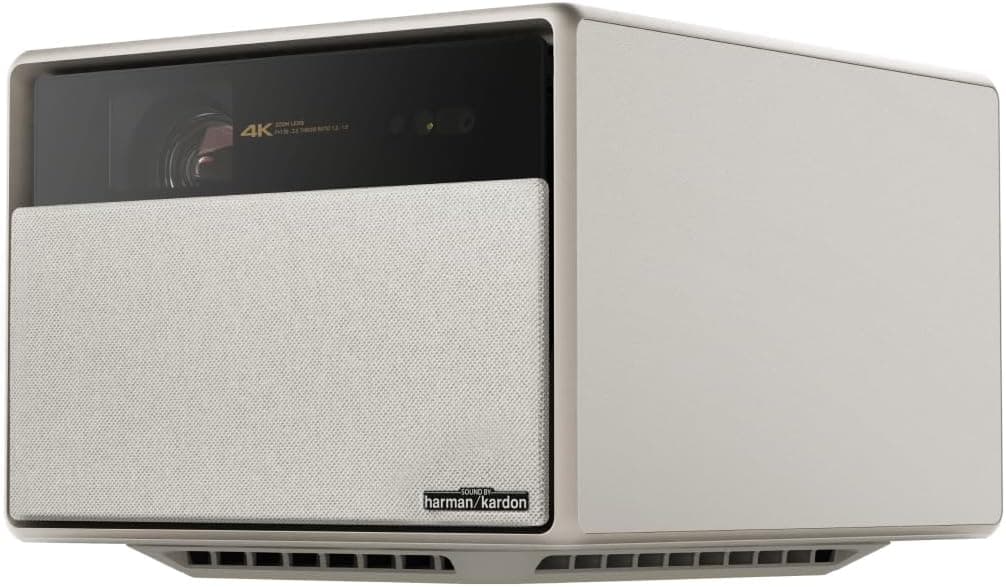
If you want the sharpest, brightest, most color-accurate picture and plan to watch in a living room with some ambient light, the XGIMI HORIZON Ultra is the one to get. If you're working with a tighter budget and can live with a 1080p native panel, built-in auto keystone and focus, and a projector that's easier to move between rooms, the XGIMI H2 still gets the job done for casual viewing. The gap between them isn't marginal — it's a real step up in brightness, color technology, and resolution.
Why these two keep getting compared
Both are XGIMI home projectors aimed at the same shopper: someone who wants a big-screen setup without installing a dedicated theater room. People search "Horizon Ultra vs H2" because the H2 has been around long enough to show up in comparison shopping, while the Horizon Ultra is XGIMI's newer flagship-tier model. The real question isn't which brand to trust — it's whether the newer model's upgrades justify stepping up from the older one.
Brightness and picture quality
This is the biggest differentiator. The HORIZON Ultra is rated at 2300 ISO lumens and uses Dual Light technology, combining LED and laser light sources, which XGIMI says improves color accuracy and gamut over a single light source. It also supports Dolby Vision and Active 3D, and its Intelligent Screen Adaption 3.0 adjusts for wall color and does lossless zoom correction — useful if you're not projecting onto a proper screen.
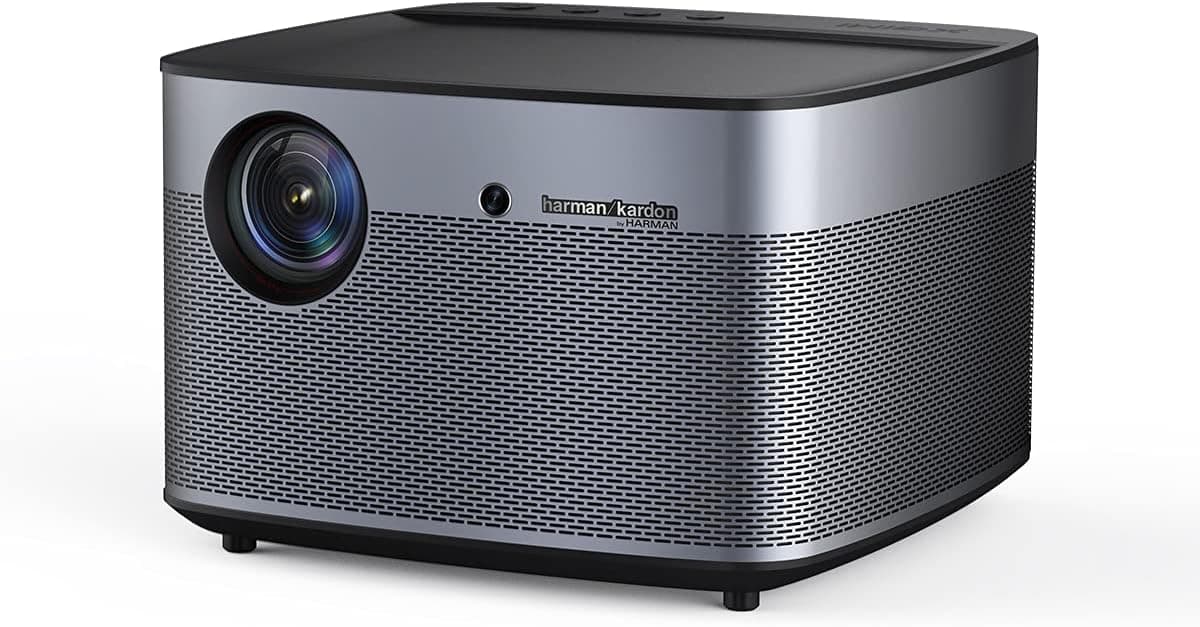
The H2 is rated at 1350 ANSI lumens and its native resolution is 1080p rather than true 4K (the listing title notes "4K Supported," meaning it can accept and downscale 4K content rather than display native 4K detail). Some of the H2's marketing copy references 4K resolution and higher lumen figures elsewhere in the listing, which is inconsistent with the product title and model specs — if resolution or brightness is a deciding factor for you, double-check the current listing's resolution and lumen rating before buying.
In practical terms: more ISO lumens and native 4K on the Horizon Ultra mean a noticeably brighter, more detailed image, especially if you can't fully darken the room.
Smart platform and streaming
Neither projector gives you a clean out-of-the-box Netflix experience, which is worth knowing going in. The HORIZON Ultra runs Android TV 11, but owners often need to sideload the Netflix app since it's not preloaded or fully supported through the usual app store path. The H2 runs Android TV 10 with access to over 5,000 Google Play apps and Chromecast built-in for casting, but XGIMI explicitly states it does not stream the native Netflix app at all.
If Netflix access without workarounds is a must-have, plan on connecting an external streaming stick (Roku, Fire TV, Apple TV) to either projector rather than relying on the built-in OS.
The two models
XGIMI Horizon Ultra
- The appeal
- Bright, accurate 4K picture in rooms that aren't dark
- The catch
- Android TV 11 often makes you sideload Netflix

The HORIZON Ultra is XGIMI's higher-end option: 4K resolution, Dolby Vision support, Dual Light (LED + laser), and 2300 ISO lumens of brightness. Audio comes from two 12W Harman Kardon speakers, and it supports screen sizes up to 200 inches with Intelligent Screen Adaption 3.0 for correcting against wall color and non-ideal surfaces. It also supports Active 3D for people who still have 3D content or glasses on hand. The main appeal is a bright, accurate 4K picture that holds up in rooms that aren't fully dark. The known catch is the Netflix sideloading hassle on Android TV 11.
XGIMI H2
- The appeal
- Auto keystone and focus square the image by itself
- The catch
- Native 1080p, not 4K, and no native Netflix app
The H2 is the older, more budget-friendly model, built around ease of setup rather than peak picture quality. It has auto focus, auto screen alignment, and ±40 degrees of auto keystone correction on both axes, so it squares itself up on a wall without much manual fiddling — a genuine convenience if you're moving it between rooms or setting it up temporarily. Sound comes from an integrated sound bar with DTS-HD and DTS Studio Sound support, plus Dolby Digital compatibility. Its Android TV 10 interface gives you access to thousands of apps and Chromecast casting. The appeal is that self-correcting setup; the catch is a native 1080p panel and no native Netflix app, which limits how sharp and streaming-friendly it is out of the box.
Who should buy which
Choose the HORIZON Ultra if you want this to be your primary viewing setup, your room has some ambient light you can't fully control, or you care about true 4K detail and Dolby Vision color. It's the better long-term investment for a dedicated or semi-dedicated home theater spot.
Choose the H2 if you mainly want casual, portable projection — movie nights in different rooms, outdoor setups, or a secondary unit — and you're comfortable with 1080p and routing streaming through an external device. Its auto keystone and auto focus make it genuinely easier to set up and tear down than a projector requiring manual adjustment.
Either way, plan on pairing the projector with a streaming stick if Netflix matters to you, since neither handles it cleanly on its own.
Bottom line
The step from H2 to HORIZON Ultra is a real upgrade, not a marginal spec bump: more brightness, native 4K instead of 1080p, Dolby Vision, and a more capable light engine. For most people setting up a primary home theater, that upgrade is worth it. If you just need a flexible, easy-to-place projector for casual use and don't need top-tier picture quality, the H2 remains a reasonable, more affordable choice — just go in knowing its resolution and Netflix limitations up front.
More reviews in this category
Projectors
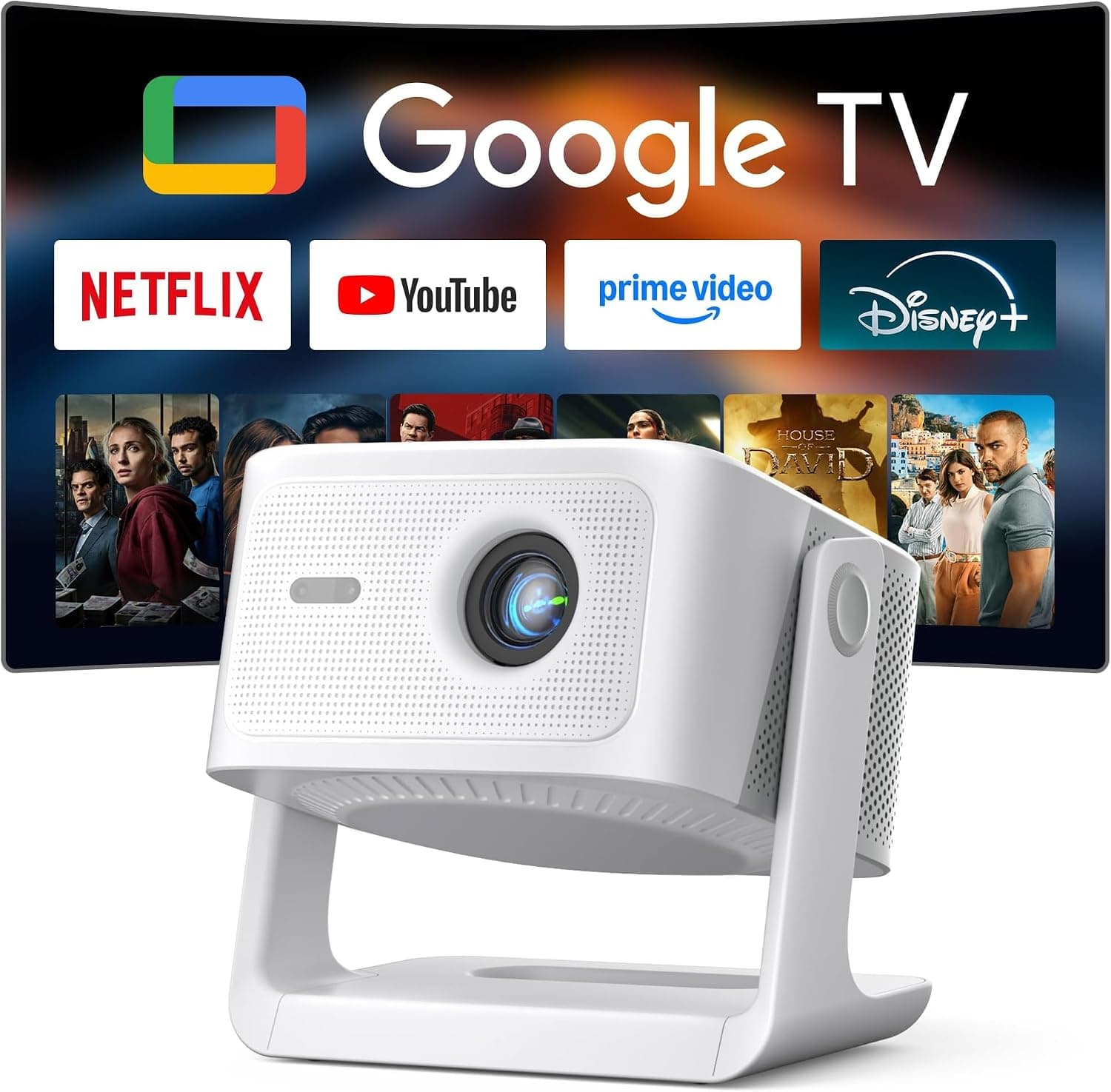
VISSPL Google TV Projector
THE APPEALGoogle TV built in, so no dongle or second remote.
THE QUESTIONShould you buy this Google TV bedroom projector?
Read the analysis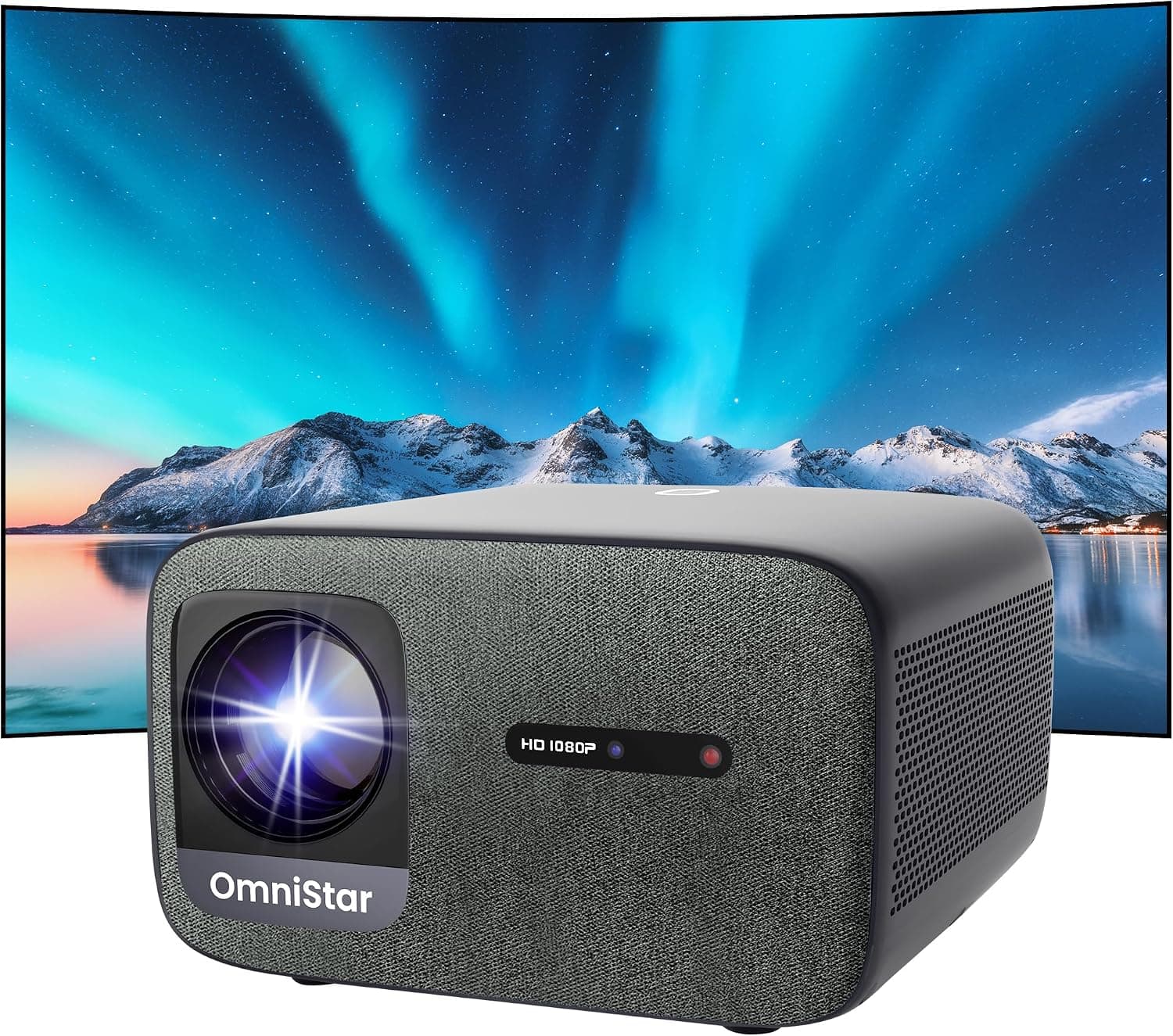
Projectors
CASIRIS OmniStar L80
THE APPEALNative 1080p sharpness and near-automatic setup for budget money
THE QUESTIONShould you buy the CASIRIS OmniStar L80?
Read the analysis
Projectors
Alvar V800P Projector
THE APPEALAuto focus and keystone frame a sharp image in seconds
THE QUESTIONWill this budget 4K projector look bright enough?
Read the analysisAs an Amazon Associate, we earn from qualifying purchases.