VISSPL Google TV Projector: 270 ANSI, Dark-Room Only
A budget smart projector with Google TV built in, AI auto focus, and a 360-degree stand that aims at the ceiling. Good for people who watch in a dark bedroom and want streaming apps without a dongle, not for bright rooms or anyone expecting true 4K.
- The appeal
- Google TV built in, so no dongle or second remote.
- The catch
- 270 ANSI lumens means dark-room viewing only.

As an Amazon Associate, we earn from qualifying purchases.
Our VISSPL Google TV Projector video review
Key features
- Google TV built in, no streaming stick needed
- AI auto focus and keystone square the image fast
- WiFi 6, Bluetooth 5.2 and HDMI with CEC/ARC
- 360-degree stand aims cleanly at the ceiling
- Chromecast and voice remote included
Limitations
- Only 270 ANSI lumens, strictly a dark-room projector
- Native 1080p, not true 4K despite the title
- Contradictory brightness and noise specs on listing
- Built-in speakers are an afterthought
What are you actually getting here?
Strip away the marketing and this is a 1080p LED projector with Google TV built in, AI-assisted auto focus and keystone, and a stand that tips the image onto your ceiling. The headline features are real: Google TV on board means Netflix, Prime Video, Disney+, Hulu, YouTube and the rest load from the home screen with no Fire Stick or Chromecast hanging off the back. There's a voice remote, WiFi 6, Bluetooth 5.2, and HDMI with CEC/ARC so a soundbar and your TV remote can play nice.
That's the good news. The less good news is that the spec sheet reads like three different projectors got stapled together. Brightness is listed as both "5500 lm" and "270 ansi_lumens." Noise is quoted at 30dB in one bullet and 24dB in the description. The title says "4K" and the next line says "native 1080P." So before you buy, you need to know which of these numbers actually describes what lands on your wall.
How bright is it, really?
This is the number that decides whether you're happy, so start here. The only figure that matters for a projector is ANSI lumens, which measures light actually reaching the screen. VISSPL lists 270 ANSI lumens. The "5500 lm" is a light-source rating that has very little to do with on-screen brightness, and you should mentally ignore it.
270 ANSI lumens is dim. For reference, a projector you can use with some lights on wants 1,500 to 2,500 ANSI, and anything that fights daylight needs more. At 270, this is a lights-off, curtains-drawn device. In a dark bedroom aimed at the ceiling it'll look fine at a modest image size. Blow it up to the "160 inch" territory these projectors like to advertise and the picture goes gray and washed out. The company's own listing even admits the real number is 270 if you read far enough. Match your expectations to that, not to the big marketing figure.
Is it actually 4K?
No. The native resolution is 1920 x 1080, confirmed three times in the specs. What the "4K" claim means is that it can decode a 4K signal and downscale it to 1080p, which is a different thing. You feed it a 4K stream or file, it accepts it, and it shows you a 1080p image. That's genuinely useful for compatibility, but you are not getting 4K sharpness on the wall. HDR10 (listed in some places as HDR10+) is supported, though on a low-brightness LCD projector HDR mostly means it won't choke on the signal rather than deliver punchy highlights. Treat this as a solid 1080p projector and you won't be disappointed.
Does the Google TV and AI auto focus stuff pull its weight?
This is where the projector earns its keep. Built-in Google TV is the real selling point over cheaper no-name projectors that make you plug in a streaming stick and juggle two remotes. You get a proper app store, voice search through the remote, and Chromecast so you can throw something from your phone. Google TV also gets over-the-air updates, so the software shouldn't rot as fast as the generic Android builds on budget units.
The AI auto focus and 6D keystone are the other convenience features, and they matter more than they sound. VISSPL claims a sharp, squared-up picture within about 3 seconds of power-on, plus obstacle avoidance (dodging a wall outlet or picture frame) and digital zoom from 50 to 100 percent. We have not tested this exact unit ourselves, so treat those timings as the manufacturer's claim. Auto focus and auto keystone are common enough now that they generally work, but how well the obstacle avoidance behaves is the kind of thing worth scanning recent buyer reviews for before you commit.
What about sound, connectivity and setup?
Connectivity is well covered for the money: WiFi 6, Bluetooth 5.2, HDMI with CEC and ARC, USB, and a 3.5mm jack. Bluetooth 5.2 means you can send audio to headphones late at night or use the projector as a standalone speaker. The description mentions dual speakers with Dolby Atmos; built-in projector speakers are almost always an afterthought, so plan on a Bluetooth speaker or soundbar if sound matters to you.
The 360-degree stand is a nice touch if your main use is lying in bed watching the ceiling, which is clearly who this is aimed at. Throw distance runs from 1 to 10 meters with a minimum 40-inch image. One small gotcha from the box contents: the remote ships without batteries, so have a pair of AAAs ready. The claimed 100,000-hour LED lifespan is generous even if optimistic, meaning the light engine will almost certainly outlast your interest in the projector.
Who should buy it, and who should skip?
Buy it if you watch in a dark room, want streaming apps built in without fussing with a dongle, and like the idea of projecting onto the ceiling from bed. For casual movie nights, kids' content, and background viewing in a controlled-light bedroom, it covers the basics and the Google TV integration genuinely makes it easier to live with than the cheapest projectors.
Skip it if you have any ambient light to fight, if you want a true 4K image, or if picture quality is your top priority. At 270 ANSI lumens this will frustrate anyone hoping to use it in a living room during the day or for a bright backyard party, despite the "outdoor" marketing.
How does it compare to the alternatives?
Against bargain-bin projectors, the VISSPL wins on software: licensed Google TV with real Netflix support beats a generic box that needs a separate stick. Against name-brand portable smart projectors like the Xgimi MoGo or Samsung Freestyle, it loses on brightness, optics and polish, but those cost noticeably more. Against a budget 1080p projector plus a streaming stick, it comes down to whether you value the all-in-one tidiness and the ceiling stand enough to accept the dim light output and the muddled spec sheet.
The verdict
This is a competent dark-room 1080p projector with the one feature budget buyers actually want, real Google TV, wrapped in marketing that oversells brightness and resolution. If you buy it for what it is rather than what the title claims, it's a reasonable pick for bedroom and ceiling viewing. If you need brightness or true 4K, this isn't the one. It lands at a 6.4: good for a specific buyer, with trade-offs you have to accept going in.
VISSPL Google TV Projector specs
- Brand
- VISSPL
- Color
- Crisp white
- Wattage
- 72 watts
- Brightness
- 5500 lm
- Unit Count
- 1 Count
- Form Factor
- Desktop/Portable/Pocket
- Display Type
- LCD
- Manufacturer
- VISSPL
- Mounting Type
- Tripod Mount/Ceiling Mount/Tabletop Mount/Floor Mount/Wall Mount
- Built-In Media
- HDMI Cable x 1 ; Power Cord x 1, Remote(Battery no included), Smart Projector Compatible with netflix x 1, User Manual
- Contrast Ratio
- High
- Video Encoding
- H.264, H.265
How we made this review
We recorded a video review of this product (above) and combined it with the manufacturer's specifications, the product listing and verified owner feedback. We weigh every product against the alternatives shoppers usually consider, and our editors check every verdict and score. We don't accept free products or payment for reviews. Our approach.
Is the VISSPL Google TV Projector worth it for you?
Should you buy this Google TV bedroom projector?
Buying guides featuring the VISSPL Google TV Projector
BUYING GUIDE
ANSI Lumens vs Lumens: How to Read a Projector's Brightness Claim
ANSI lumens are a standardized test; plain "lumens" are marketing math—here's how to tell them apart before buying a projector.
More in Projectors
Projectors
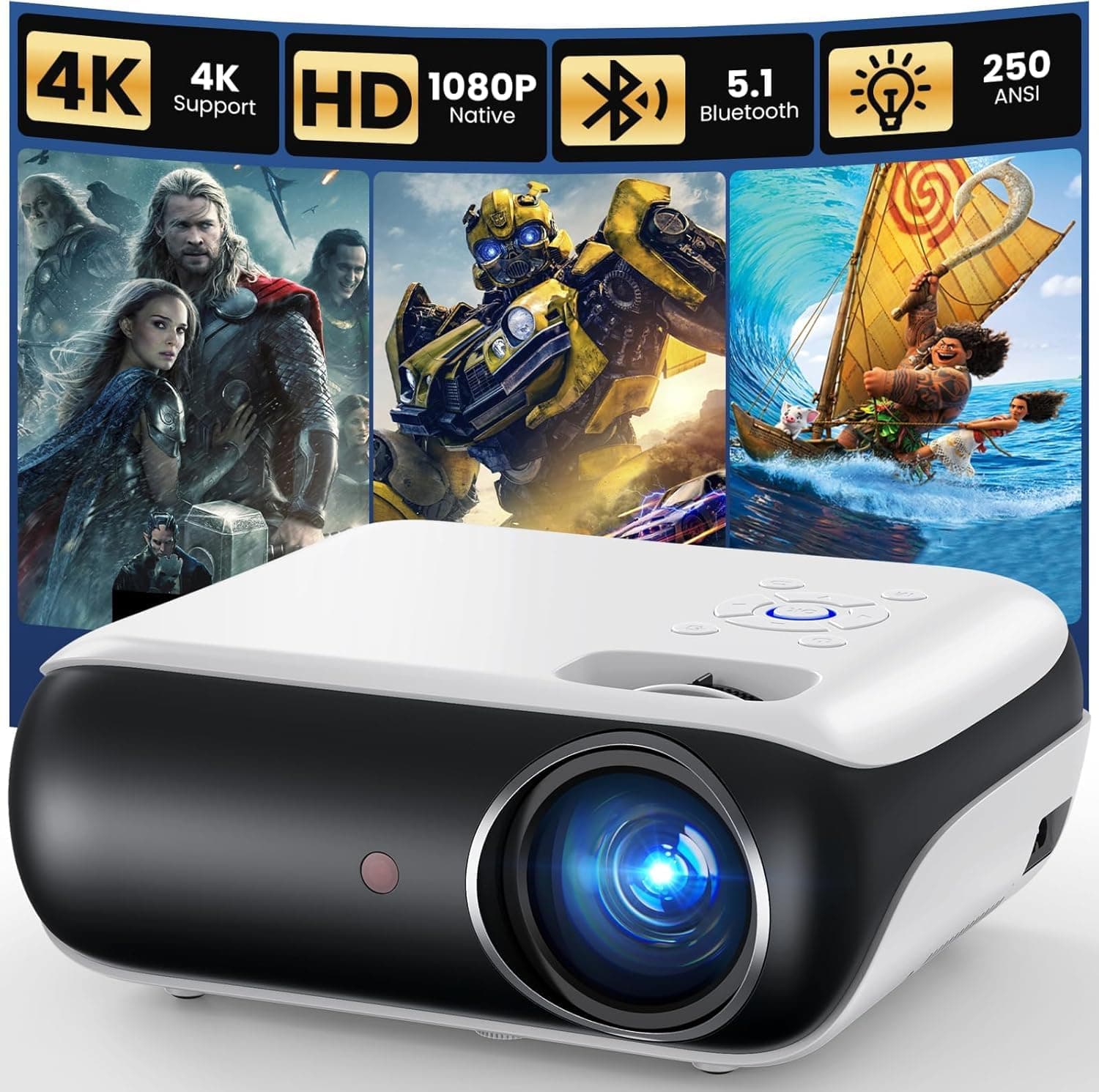
HAPPRUN H1 Projector
THE APPEALReal native 1080p picture up to 200 inches for little money
THE QUESTIONIs this budget 1080p projector bright enough for you?
Read the analysis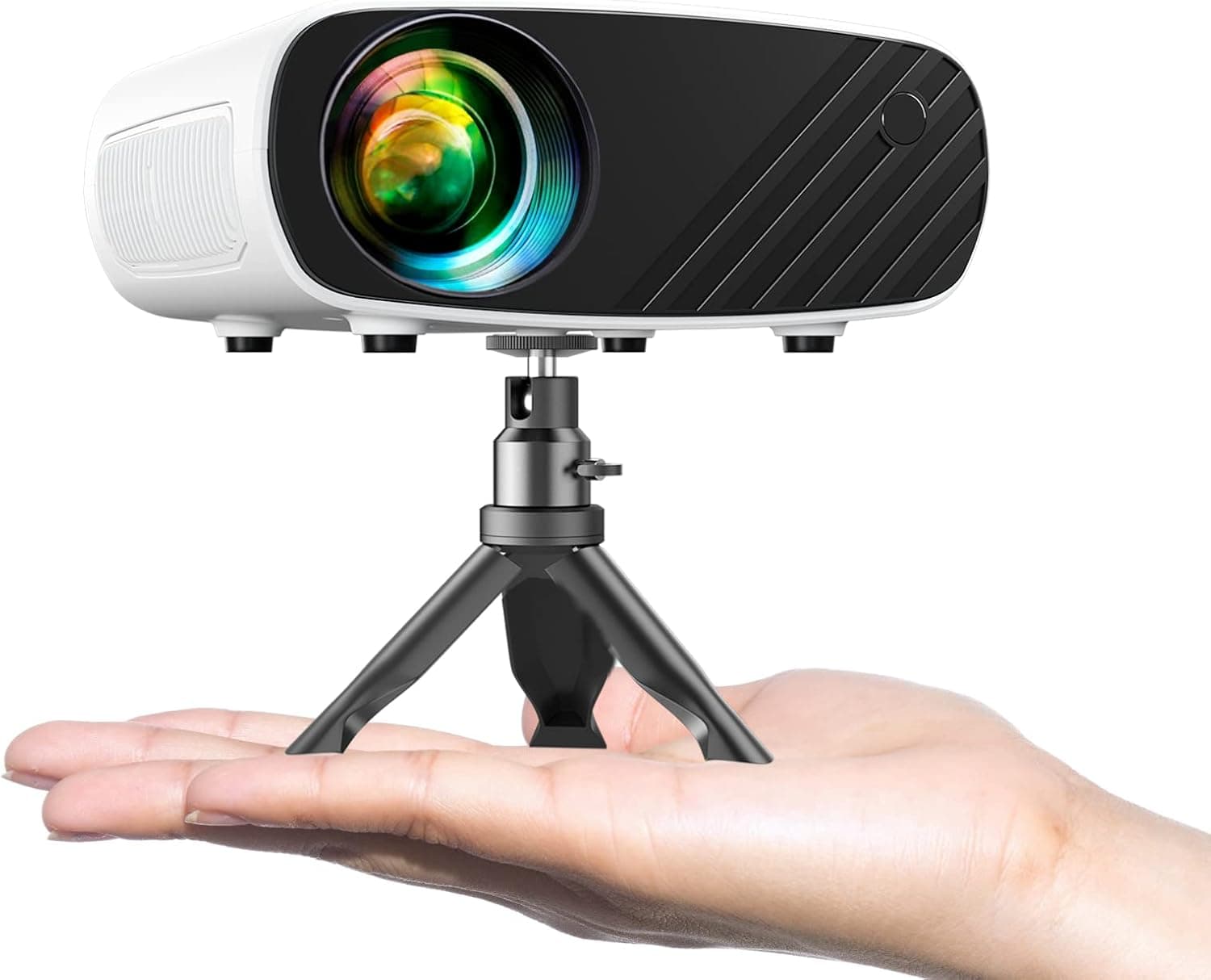
Projectors
ELEPHAS BL128 Mini Projector
THE APPEALFits in your palm yet throws up to 200 inches
THE QUESTIONShould you buy this palm-sized phone projector?
Read the analysis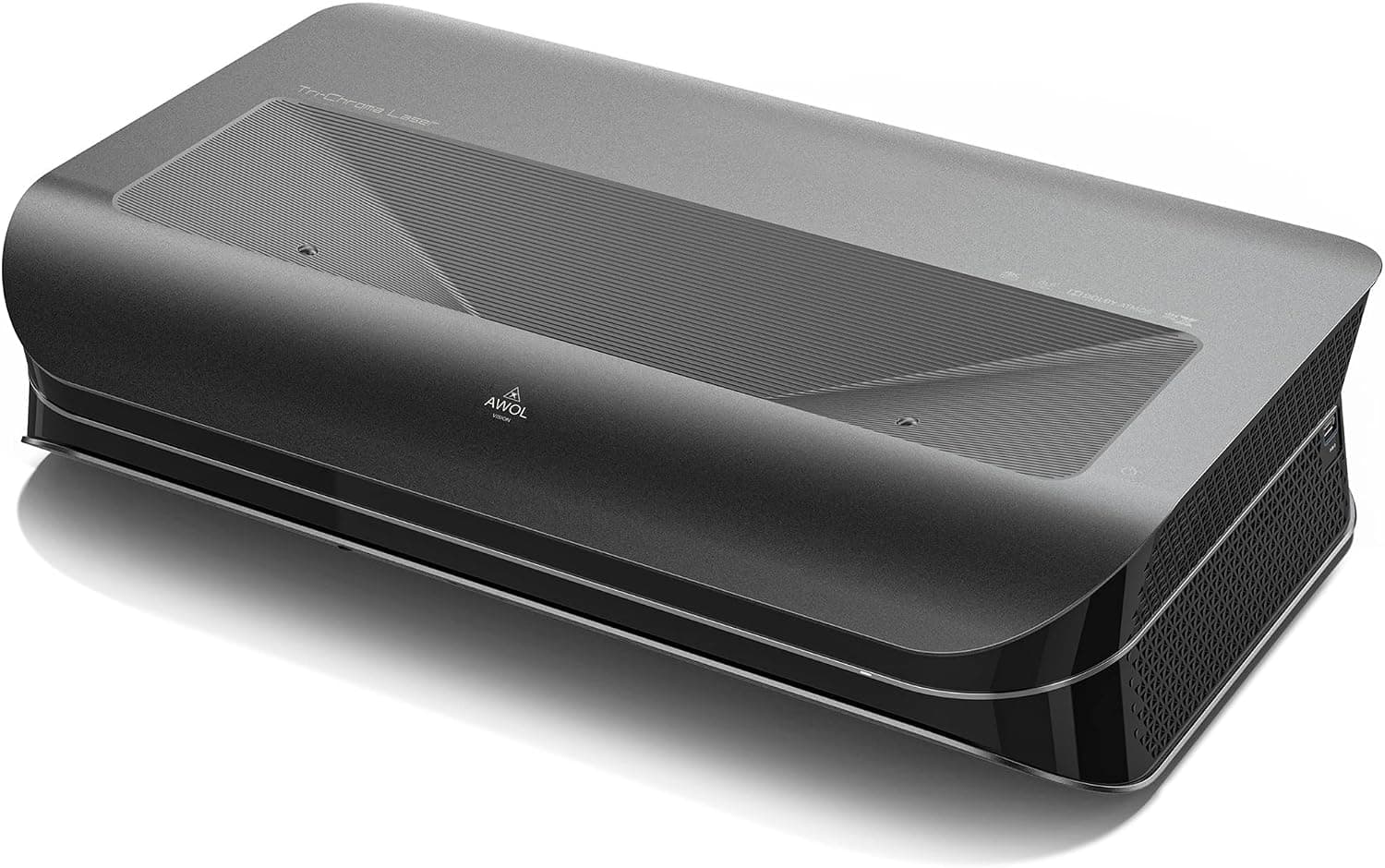
Projectors
AWOL Vision LTV-2500
THE APPEAL150-inch 4K triple-laser image from inches off the wall
THE QUESTIONWill this UST projector light up your living room?
Read the analysis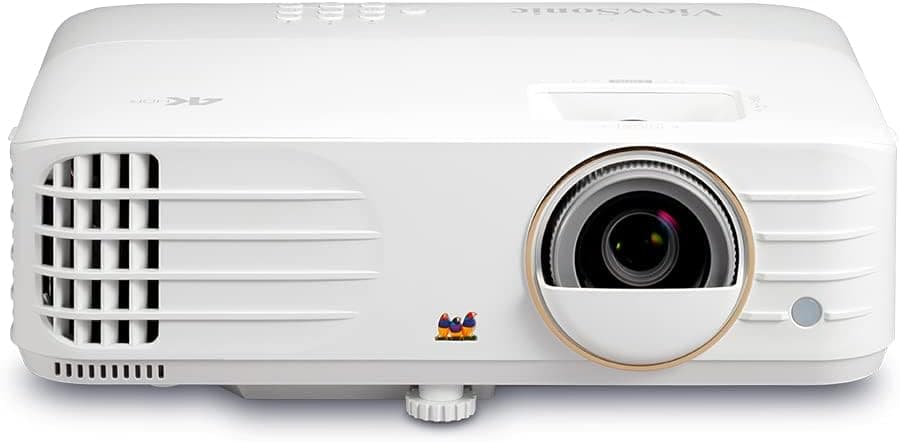
Projectors
ViewSonic PX748-4K
THE APPEAL4000 lumens keeps 4K watchable with the lights on.
THE QUESTIONShould you buy this bright 4K gaming projector?
Read the analysis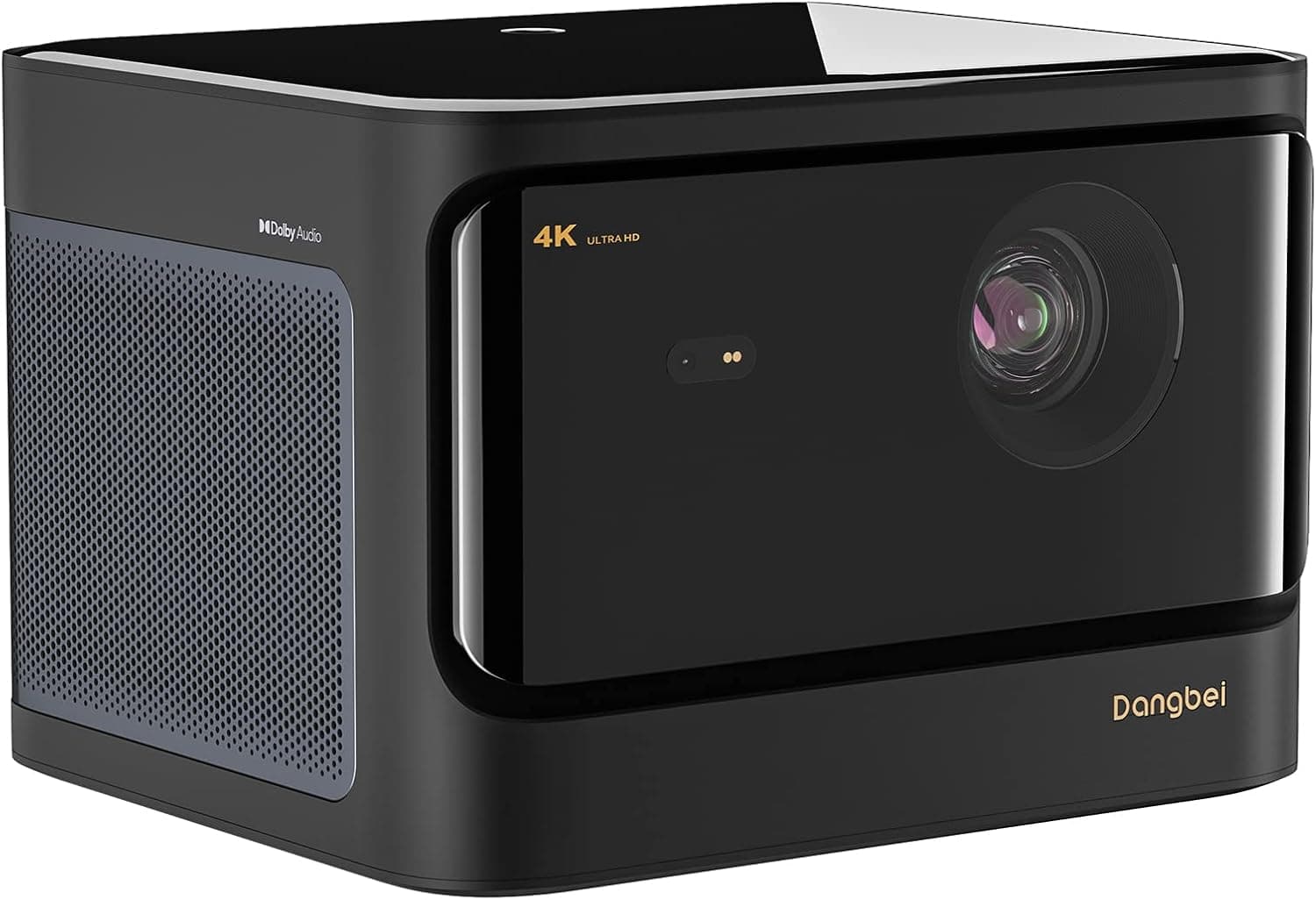
Projectors
Dangbei DBX3 Pro
THE APPEALALPD laser lasts 25,000 hours with hands-off auto setup
THE QUESTIONIs this laser 4K projector worth your money?
Read the analysis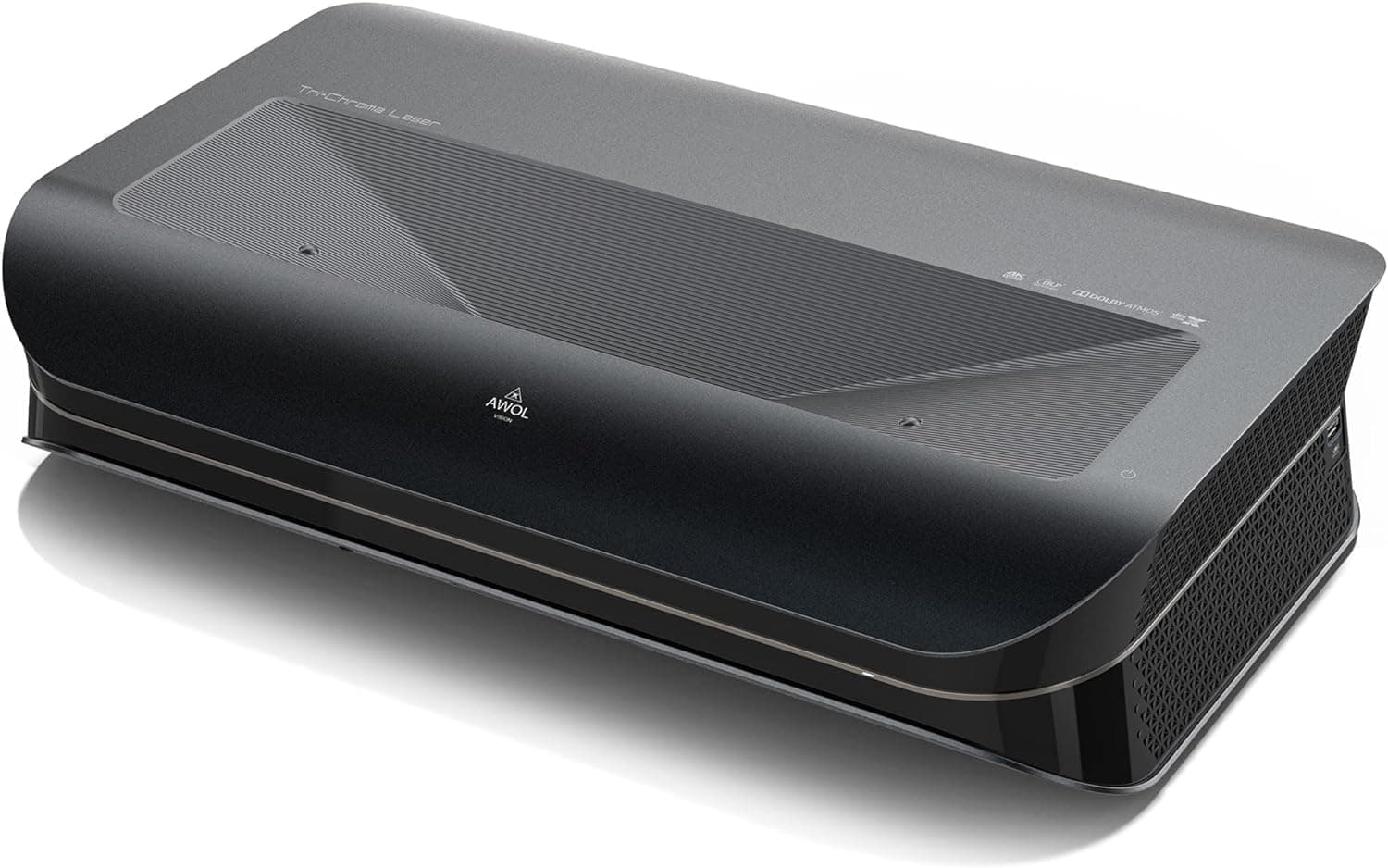
Projectors
AWOL Vision LTV-3500 Pro
THE APPEALA 150-inch true-4K triple-laser picture from inches off the wall
THE QUESTIONShould you buy the AWOL Vision LTV-3500 Pro?
Read the analysis