BUYING GUIDE · October 26, 2026
ANSI Lumens vs Lumens: How to Read a Projector's Brightness Claim
ANSI lumens are a standardized test; plain "lumens" are marketing math—here's how to tell them apart before buying a projector.


Quick answer
If a listing brags about "9,000 Lumens" or "5,500 Lumens" without the word ANSI in front of it, treat that number as marketing, not a measurement you can compare across brands. ANSI lumens come from a standardized industry test; plain "lumens" is usually a raw LED-chip or theoretical output figure that has little to do with what lands on your screen. When comparing projectors, look for an ANSI (or ISO) rating specifically, and when you can't find one, assume the real brightness is a fraction of what's advertised.
What "ANSI lumens" actually measures
ANSI lumens is a brightness standard from the American National Standards Institute: it measures light output at nine points across a projected image under controlled, repeatable conditions, then averages the results. Because the test method is fixed, an ANSI lumen rating from one brand is comparable to an ANSI lumen rating from another. That's the whole point of the standard — it exists so shoppers aren't at the mercy of each manufacturer's own math.
Plain "lumens" (no ANSI, no ISO, no qualifier) usually refers to the theoretical brightness of the LED or laser light source itself, measured before the light passes through the lens, optics, and any loss along the way. It's a bigger, more flattering number, which is exactly why it shows up so often in budget projector titles and bullet points.
Why plain "lumens" numbers are almost always inflated
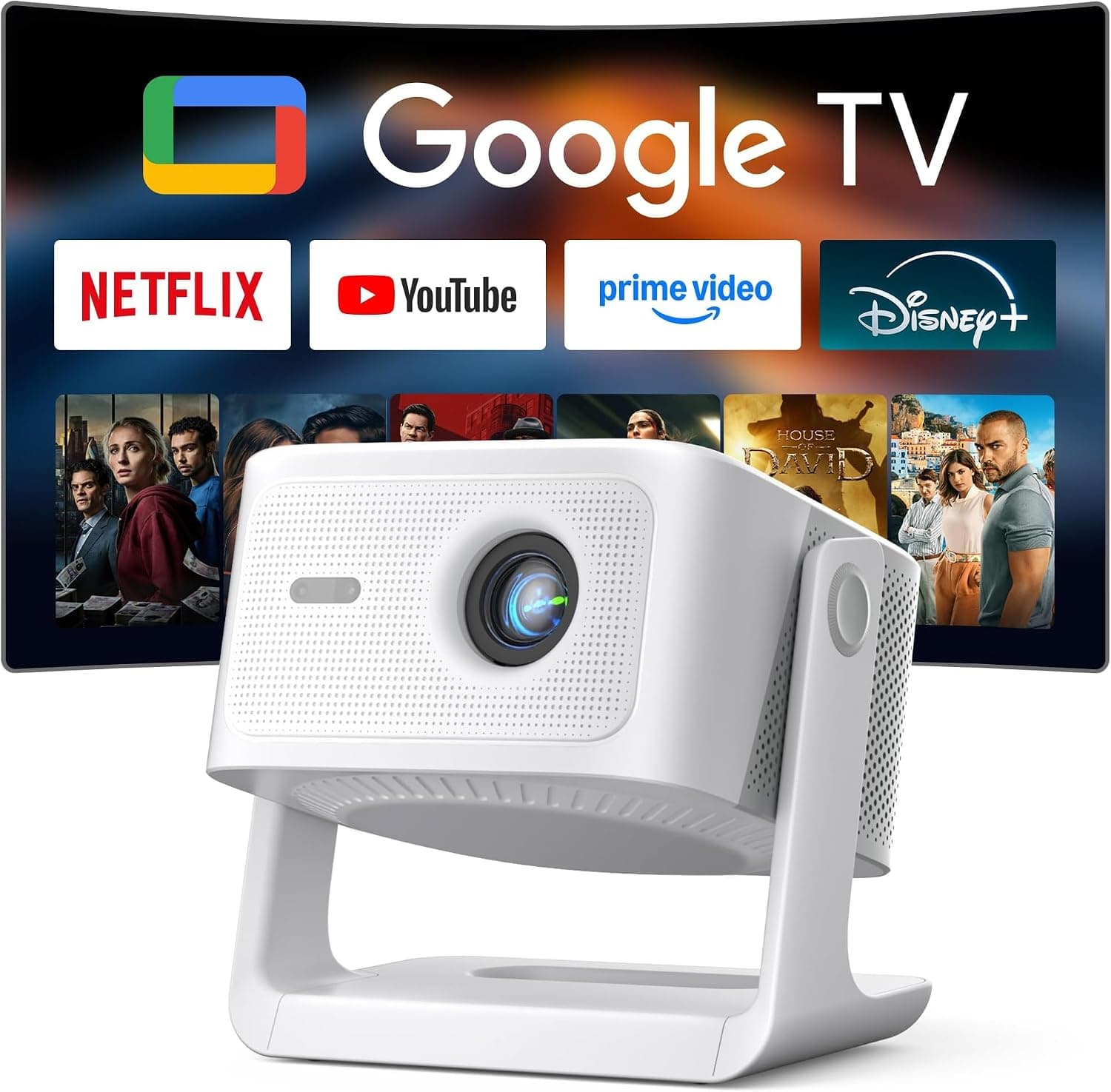
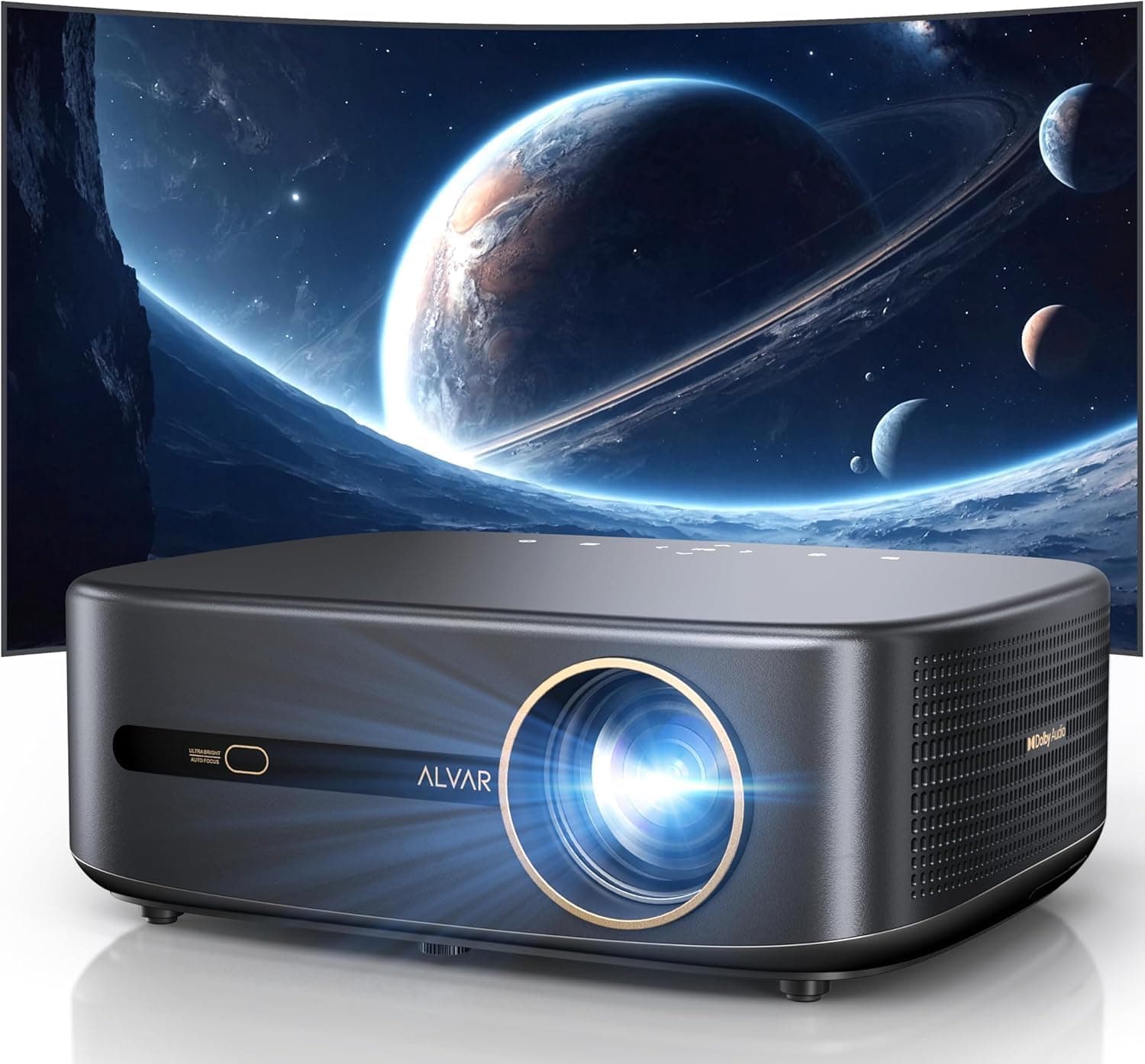
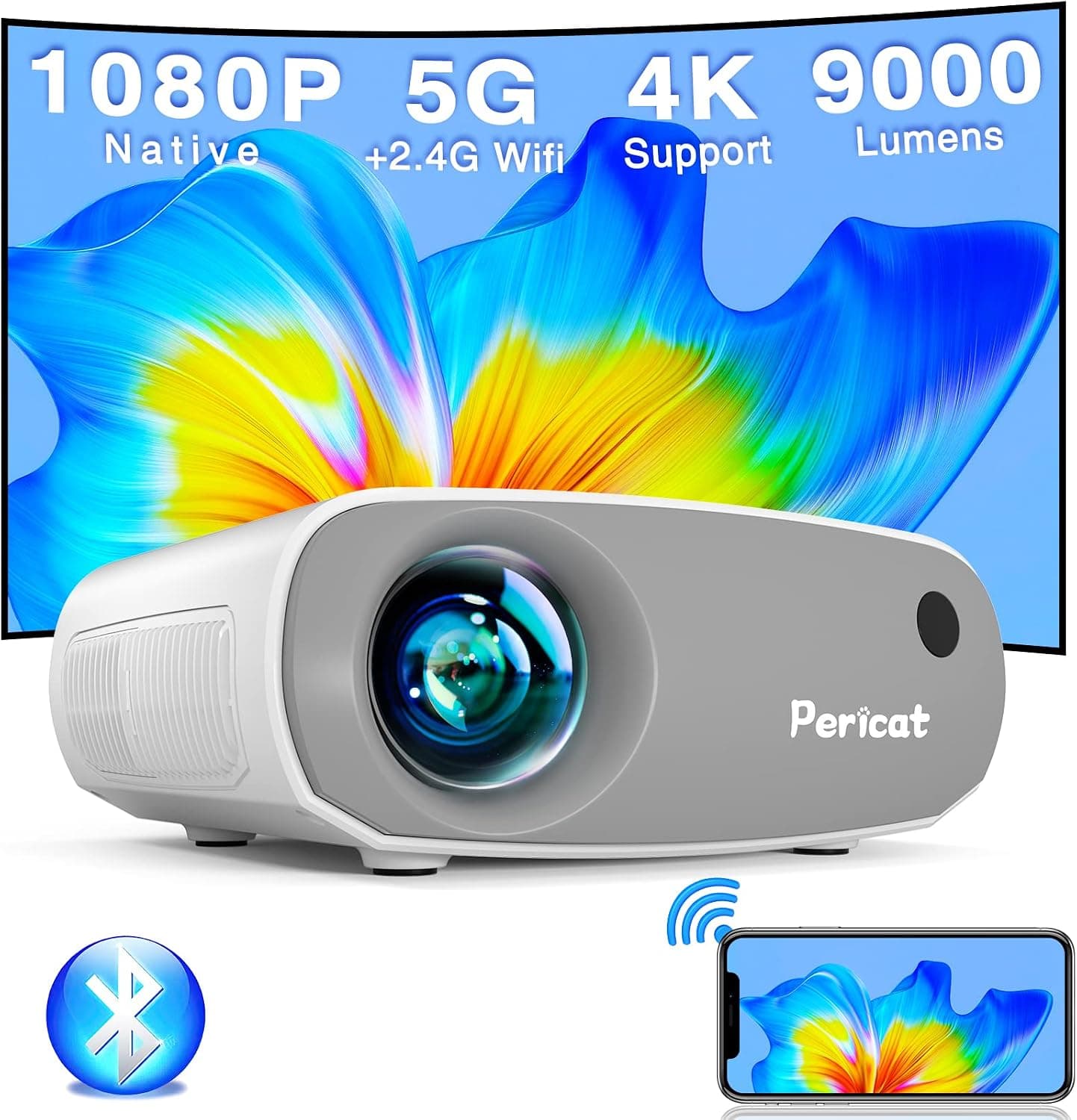
The gap between advertised lumens and real ANSI lumens can be enormous. Two models in this roundup illustrate it directly. The Alvar V800P Outdoor Projector lists "2500 ANSI" on the box, but our research found real-world output closer to 1,000 ANSI lumens — still usable, but nowhere near the claim. The VISSPL Google TV 4K projector is rated at 5500 lm in its spec sheet, yet the actual ANSI figure is closer to 270 ANSI lumens, which is dim enough that it only works in a fully dark room. The pericat X26 mini projector claims 9000 lumens, a number far outside what a device drawing 43 watts could plausibly produce; it's a portable 1080p projector that needs darkness to look good, not a 9,000-lumen light cannon.
ANSI vs ISO lumens: the other standard you'll see
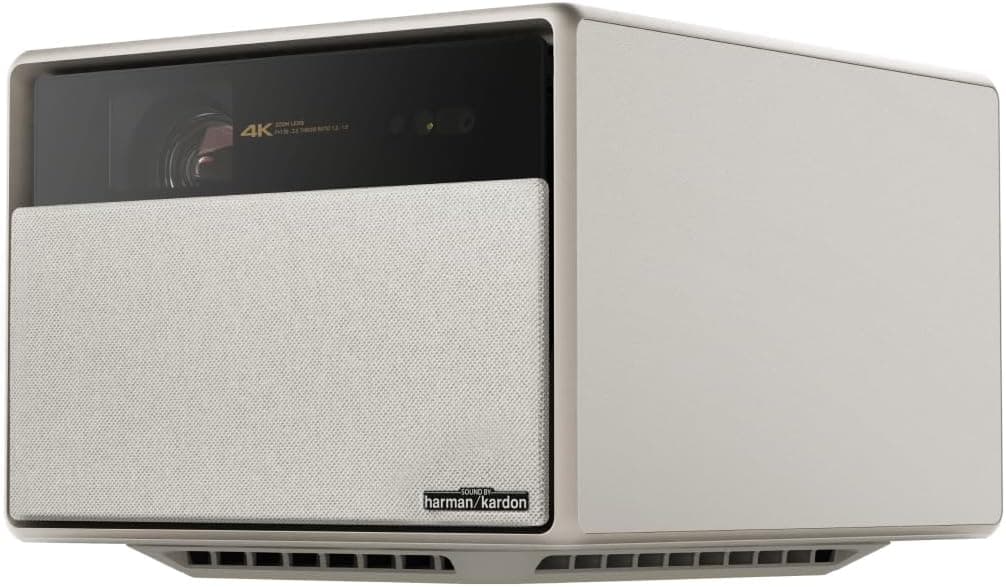
Some brands rate brightness in ISO lumens instead of ANSI. It's a different but also standardized test (from the International Organization for Standardization), and it tends to produce numbers in the same realistic range as ANSI rather than inflated marketing lumens. The XGIMI HORIZON Ultra is rated at 2300 ISO lumens, and in practice it delivers a genuinely bright, accurate 4K picture in rooms that aren't fully dark — a sign that an ISO rating, like an ANSI one, is worth trusting far more than a bare "lumens" number.
How to verify a brightness claim before you buy
Before trusting any brightness spec, check three things on the listing: whether the word "ANSI" or "ISO" actually appears next to the lumen number (not just in a review title), whether the wattage is realistic for the claimed brightness (a 40-50 watt device cannot produce thousands of true ANSI lumens), and whether the room-darkness recommendation in the description contradicts the headline number. A projector that insists on "best for dark rooms or outdoor nights" while advertising thousands of lumens is telling you, in its own fine print, that the real figure is much lower.
The reviewed models, matched to real brightness
Alvar V800P Projector
- The appeal
- Auto focus and keystone frame a sharp image in seconds
- The catch
- Real brightness is closer to 1,000 ANSI than claimed 2,500

Rated 2500 ANSI lumens on paper, closer to 1,000 ANSI lumens in reality. That's still enough for dim living-room use and backyard movie nights after sunset, and the auto focus and auto keystone correction make setup fast. Don't expect it to cut through daylight or a lit room the way the number on the box implies. See the full review.
XGIMI Horizon Ultra
- The appeal
- Bright, accurate 4K picture in rooms that aren't dark
- The catch
- Android TV 11 often makes you sideload Netflix
The strongest brightness story here: 2300 ISO lumens backed by dual LED/laser light and Dolby Vision support, which translates into a picture that holds up in rooms with some ambient light, not just after dark. The trade-off is software, not brightness — Android TV 11 often requires sideloading Netflix rather than using a built-in app. See the full review.
pericat X26 Projector
- The appeal
- Genuinely pocket-sized native 1080p you can mirror your phone to
- The catch
- The 9000-lumen rating is fiction, so it needs darkness
Advertised at 9000 lumens, which is not a credible ANSI or ISO figure for a 43-watt pocket projector. What you actually get is a genuinely compact, native 1080p device good for mirroring a phone screen, but it needs a dark room to look its best. Buy it for portability, not for the lumen count on the listing. See the full review.
VISSPL Google TV Projector
- The appeal
- Google TV built in, so no dongle or second remote.
- The catch
- 270 ANSI lumens means dark-room viewing only.
The spec sheet shows 5500 lm, but the real ANSI output is around 270 ANSI lumens — among the dimmest in this group. Built-in Google TV means no streaming dongle or extra remote, which is a genuine convenience, but plan on a fully darkened room for any content to look watchable. See the full review.
Bottom line
Don't shop by the biggest lumen number on the listing. Look for "ANSI" or "ISO" attached to the figure, and treat any bare "lumens" claim as closer to a theoretical maximum than a real-world measurement. Among these four, the XGIMI HORIZON Ultra has the most trustworthy and highest usable brightness for rooms that aren't pitch black. The Alvar V800P works for dim rooms and after-dark outdoor use despite its inflated rating. The VISSPL and pericat X26 both need full darkness to perform, so budget your expectations — and your room's lighting — accordingly.
More reviews in this category
Projectors
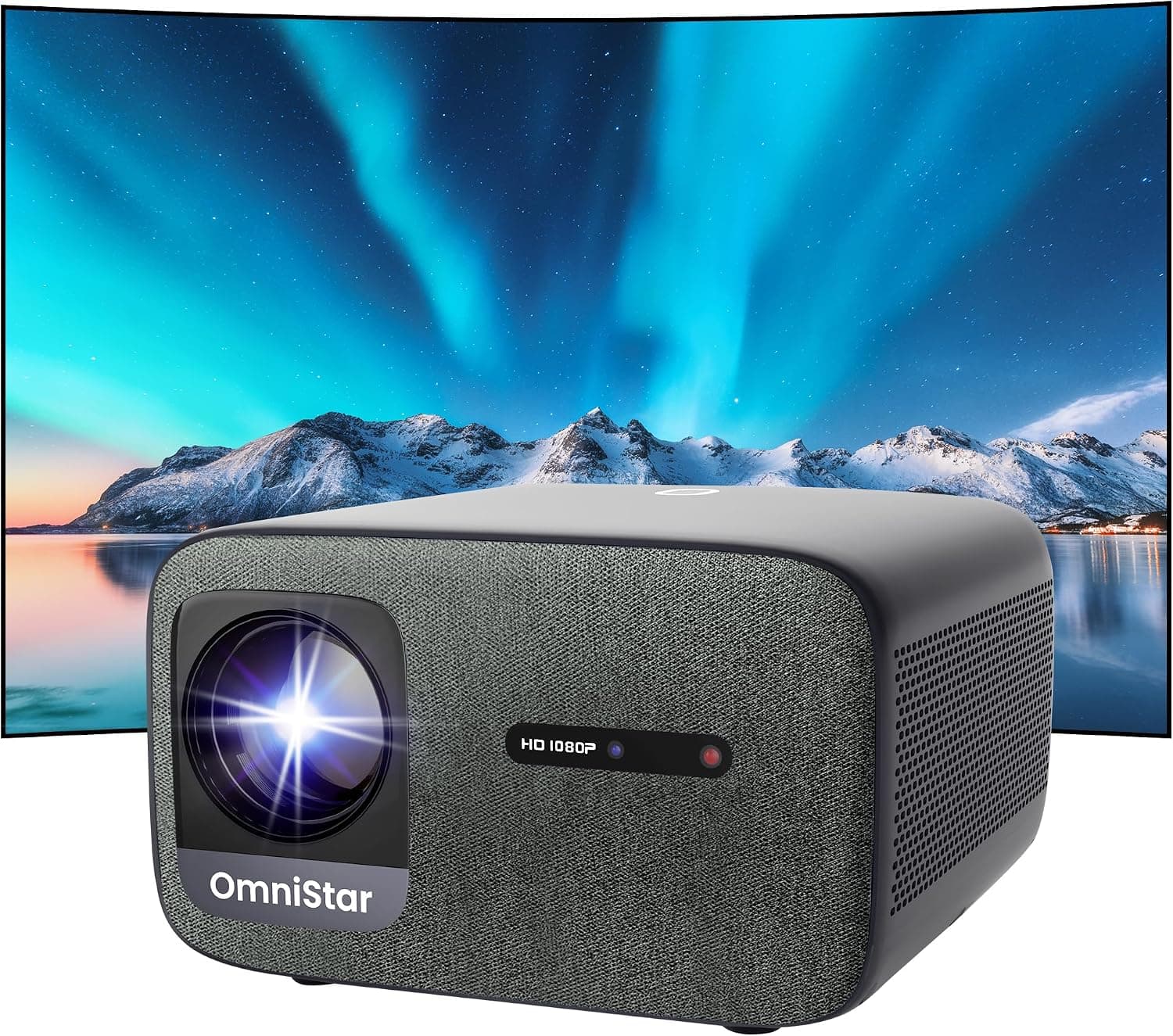
CASIRIS OmniStar L80
THE APPEALNative 1080p sharpness and near-automatic setup for budget money
THE QUESTIONShould you buy the CASIRIS OmniStar L80?
Read the analysis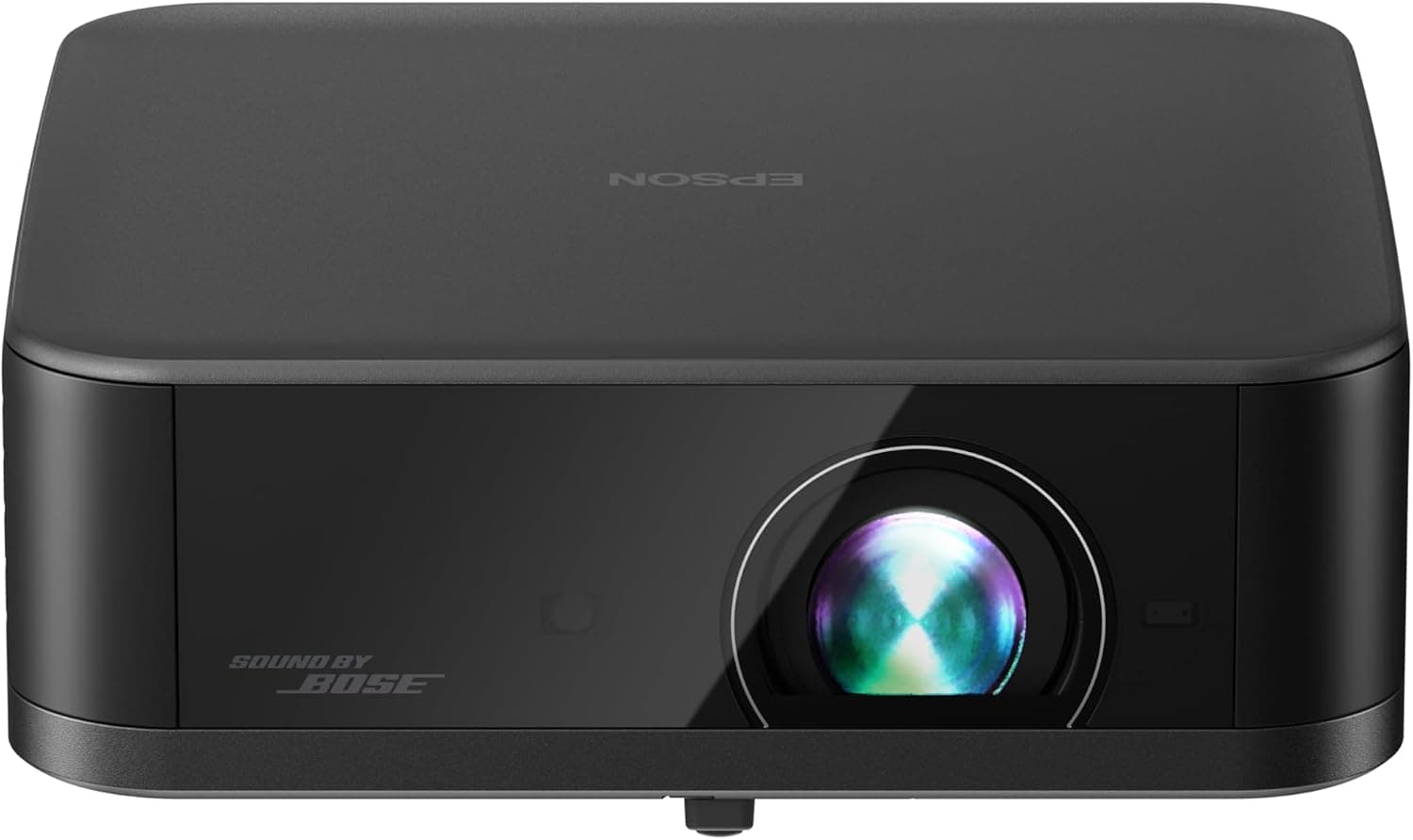
Projectors
Epson Lifestudio Pop Plus
THE APPEAL150-inch screen with real Bose sound, no soundbar needed
THE QUESTIONIs this projector bright enough for your room?
Read the analysis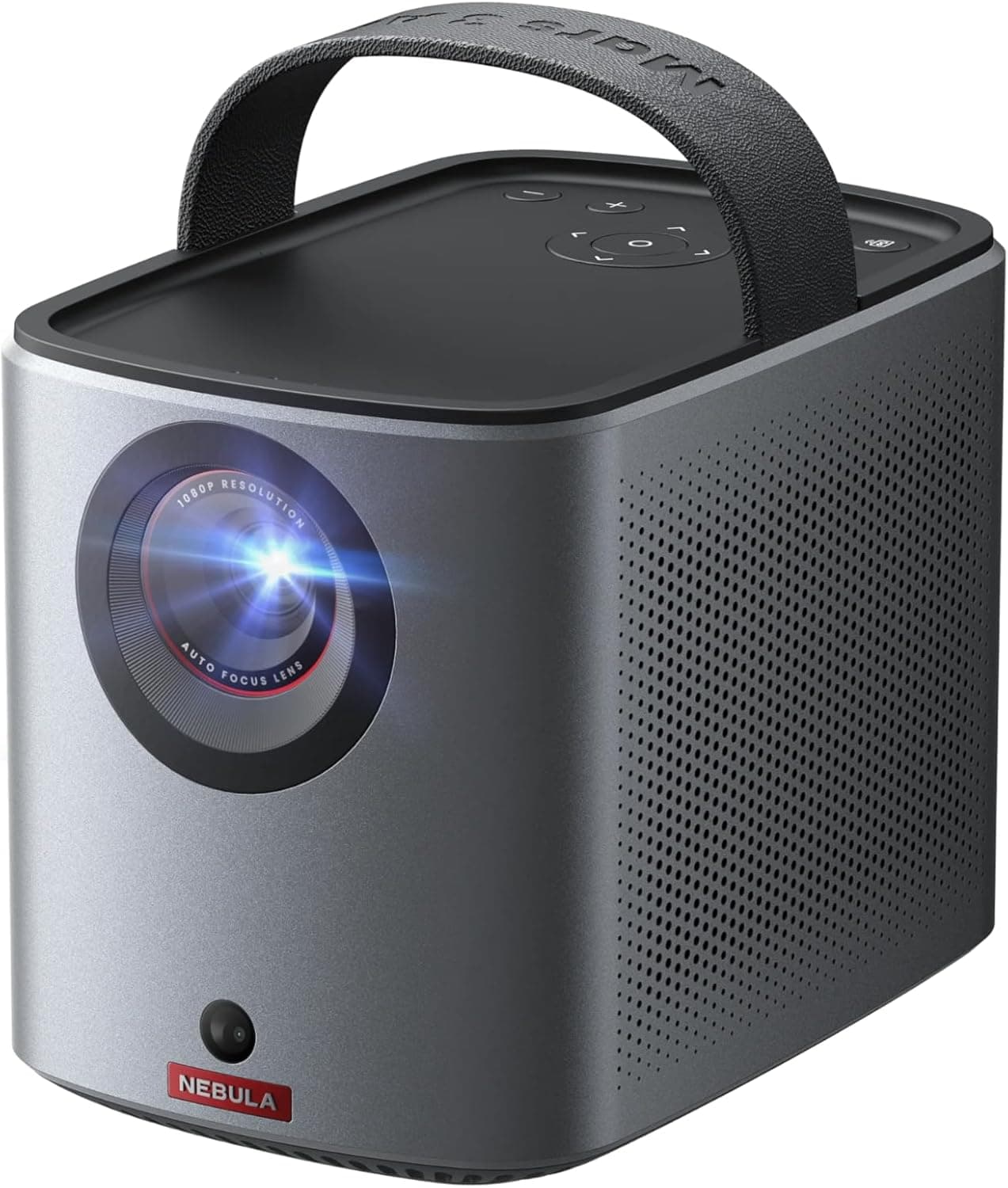
Projectors
NEBULA Mars 3 Air
THE APPEALCarries a licensed-Netflix 1080p big screen anywhere on battery
THE QUESTIONWant a portable 1080p projector for outdoor nights?
Read the analysisAs an Amazon Associate, we earn from qualifying purchases.