Blink Battery Doorbell 2K+ Review: Is It Worth It?
A battery-powered 2K video doorbell with a tall head-to-toe view, two-way audio, and IP65 weather resistance. Best for renters and current Blink users who don't mind paying for a subscription to unlock person detection and recorded clips.
- The appeal
- Sharp 2K head-to-toe view installs in minutes, no wiring
- The catch
- Saved clips and person alerts need a paid subscription

As an Amazon Associate, we earn from qualifying purchases.
Our Blink Battery Doorbell 2K+ video review
Key features
- Sharp 2K video reads faces and plates well
- Tall Head-to-Toe view catches packages on the step
- Installs in minutes, no wiring required
- Runs months on three swappable AA lithium batteries
- Color night vision and IP65 weather resistance
- Cheap hardware, tight Alexa and Blink integration
Limitations
- Person detection and saved clips need a paid subscription
- No detailed specs listed on the page
- Tied to Alexa, not HomeKit or Google
- Battery life claims vary with motion volume
What exactly are you buying here?
The Blink Battery Doorbell 2K+ is a wireless video doorbell that runs on three AA lithium batteries and streams 2K video to the Blink app. This is the "System" package, so the box includes the doorbell, three Energizer lithium AAs, a Sync Module Core with a USB-C cable and an indoor power adapter, a mounting kit with screws and anchors, and a corner mount. That bundle matters. The Sync Module is the hub the doorbell talks to, and buying it together usually saves you the hassle of pairing it separately.
The headline upgrade over the older Blink doorbell is the jump to 2K resolution and what Blink calls Head-to-Toe View, a taller aspect ratio meant to show a visitor's face at the top and a package at the bottom in the same frame. It also does two-way audio with noise cancellation, color night vision that switches to black and white in near darkness, and person detection that filters out passing cars and swaying trees.
Who is it for, and who should skip it?
This is a good fit for renters and anyone who wants a doorbell installed in ten minutes without touching house wiring. It mounts with a couple of screws, runs on batteries for months, and the corner mount in the box helps if your door frame doesn't face the walkway straight on.
It's also the obvious pick if you already own Blink cameras. One Sync Module and one app can run the whole setup, and the pricing has always been the friendliest part of the Blink story.
Skip it if you refuse to pay a monthly fee. Person detection, recorded video clips, and cloud storage all need a Blink subscription that's sold separately. Without it you get live view and a motion alert, but no saved footage to look back on. Also skip it if you're deep into Apple HomeKit or Google Home, because Blink lives inside the Amazon Alexa ecosystem and plays poorly with the others.
How good is the 2K video in practice?
2K (roughly 1440p) is a real step up from the 1080p most budget doorbells still ship with. More pixels means you can actually read a license plate at the curb or make out a face in a hoodie instead of guessing. Blink also talks up "enhanced color" and better edge detail, which is the kind of claim every camera maker makes, so treat it as "sharper than the last Blink" rather than a promise it beats a wired 4K unit.
The Head-to-Toe shape is the smarter feature. A normal widescreen doorbell cuts off at the chest or misses the package on your step. The taller crop here is built to catch both. If porch piracy is your main worry, that framing is more useful than the extra resolution.
Night vision does color in low light and flips to black and white when it gets truly dark. Color night footage is genuinely more helpful for picking out clothing and skin tone, though no doorbell does it well once there's zero ambient light, so don't expect miracles on an unlit porch.
What about battery life, weather, and the practical stuff?
Blink says "months" of life on three AA lithium batteries. That's the standard Blink claim, and real-world results always depend on how much motion your camera sees and how often you pull up live view. A busy sidewalk camera drains faster than a quiet back door. The upside of AA lithiums is you swap them in two minutes at any store instead of waiting to recharge a sealed battery pack.
The IP65 rating means it's protected against dust and low-pressure water jets, which covers rain and hose spray but not submersion. For a doorbell under an eave or on an exposed frame, that's enough.
You also have a choice at install. Go fully wire-free and the doorbell just pings your phone. Or connect it to your existing doorbell wiring and it'll trigger your in-home chime, so you hear the ring even when your phone's in another room. That wired-chime option is a nice touch that a lot of battery doorbells drop.
What are the real trade-offs?
The subscription is the big one. The hardware is cheap up front, but the features that make a security doorbell worth having (saved clips, person detection) are behind a recurring fee. Budget for that as part of the cost.
Amazon lists no detailed specs here, which is frustrating. There's no stated field-of-view in degrees, no exact battery-life hours, and no frame rate. Check the live listing and the Blink app requirements before you buy, especially the current subscription tiers.
The 4-star average from 563 ratings tells you this isn't a flawless product. That's a solid-but-not-stellar score, and for doorbells the usual complaints cluster around motion-alert delay, Wi-Fi dropouts, and the dependence on the Sync Module. None of that is unique to Blink, but it's worth reading recent reviews for your use case.
How does it compare to the alternatives?
Against a Ring doorbell (also Amazon-owned), Blink is usually cheaper hardware with a cheaper subscription, but Ring's app, motion zones, and third-party integration are more mature. If you want the slickest experience and don't mind paying more, Ring edges it.
Against Google Nest, the Nest doorbell offers some on-device smarts and a few free features without a plan, plus familiar faces detection, but it costs noticeably more and leans into the Google ecosystem.
Against Wyze and Eufy, you trade Blink's tight Alexa integration for either lower cost (Wyze) or local storage with no mandatory fee (Eufy). If avoiding a subscription is your priority, Eufy is the one to cross-shop.
Final verdict
The Blink Battery Doorbell 2K+ is an easy, affordable way to put a sharp, battery-powered camera on your door, and the taller 2K view is genuinely more practical than the spec sheet suggests. It earns its keep for renters and existing Blink owners who accept the subscription math. If you want saved clips without a monthly bill, or you live in Apple or Google's world, look elsewhere. For the right buyer it's a sensible pick, which is why it lands at a 7.3.
How we made this review
We recorded a video review of this product (above) and combined it with the manufacturer's specifications, the product listing and verified owner feedback. We weigh every product against the alternatives shoppers usually consider, and our editors check every verdict and score. We don't accept free products or payment for reviews. Our approach.
Is the Blink Battery Doorbell 2K+ worth it for you?
Should you buy the Blink 2K+ video doorbell?
More in Electronics
Electronics
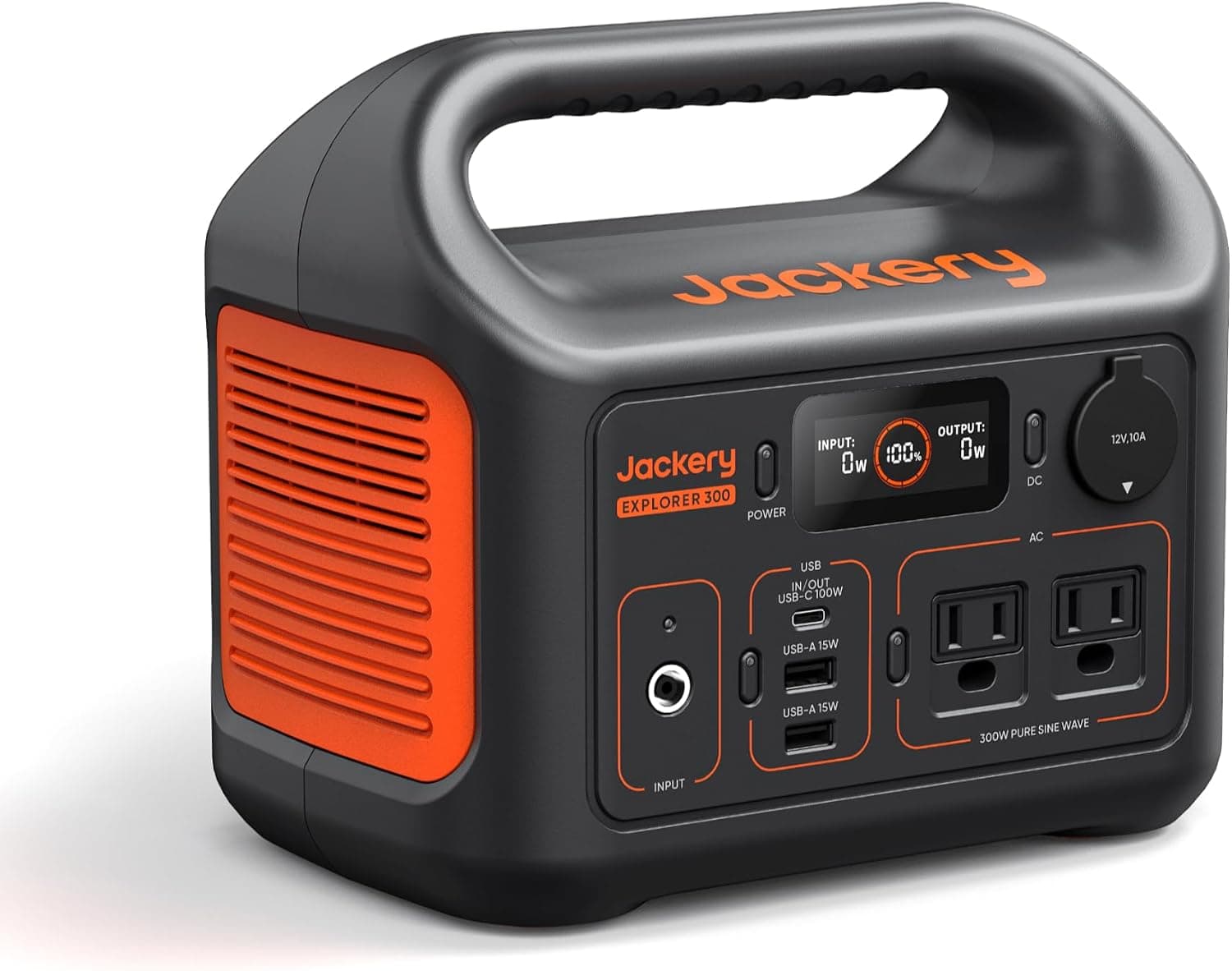
Jackery Explorer 300
THE APPEALJust 7 pounds with a 100W USB-C laptop port
THE QUESTIONIs this small power station enough for camping?
Read the analysis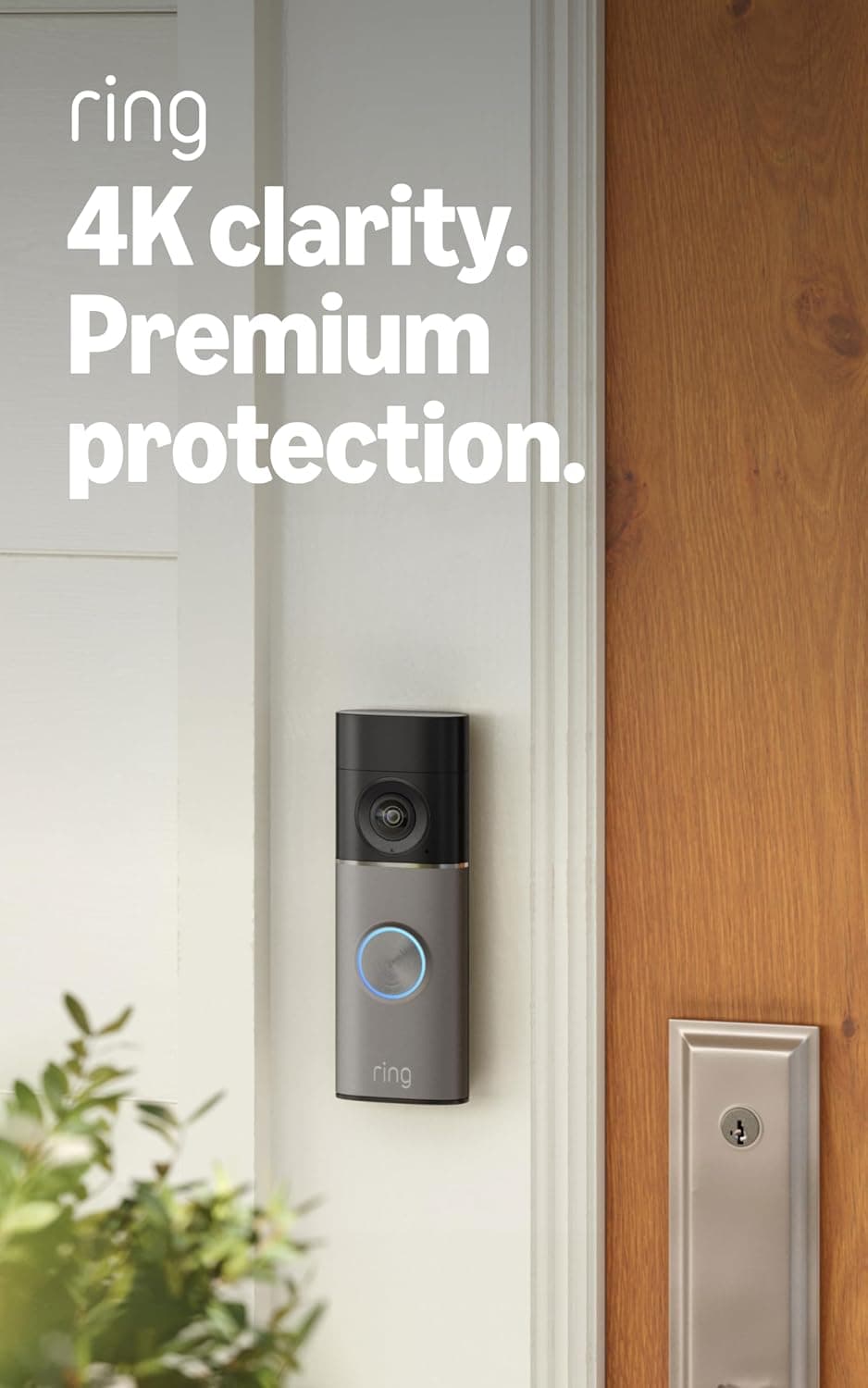
Electronics
Ring Battery Doorbell 4K Pro
THE APPEALSharpest 4K image Ring sells, with usable 10x zoom
THE QUESTIONShould you buy Ring's 4K Pro battery doorbell?
Read the analysis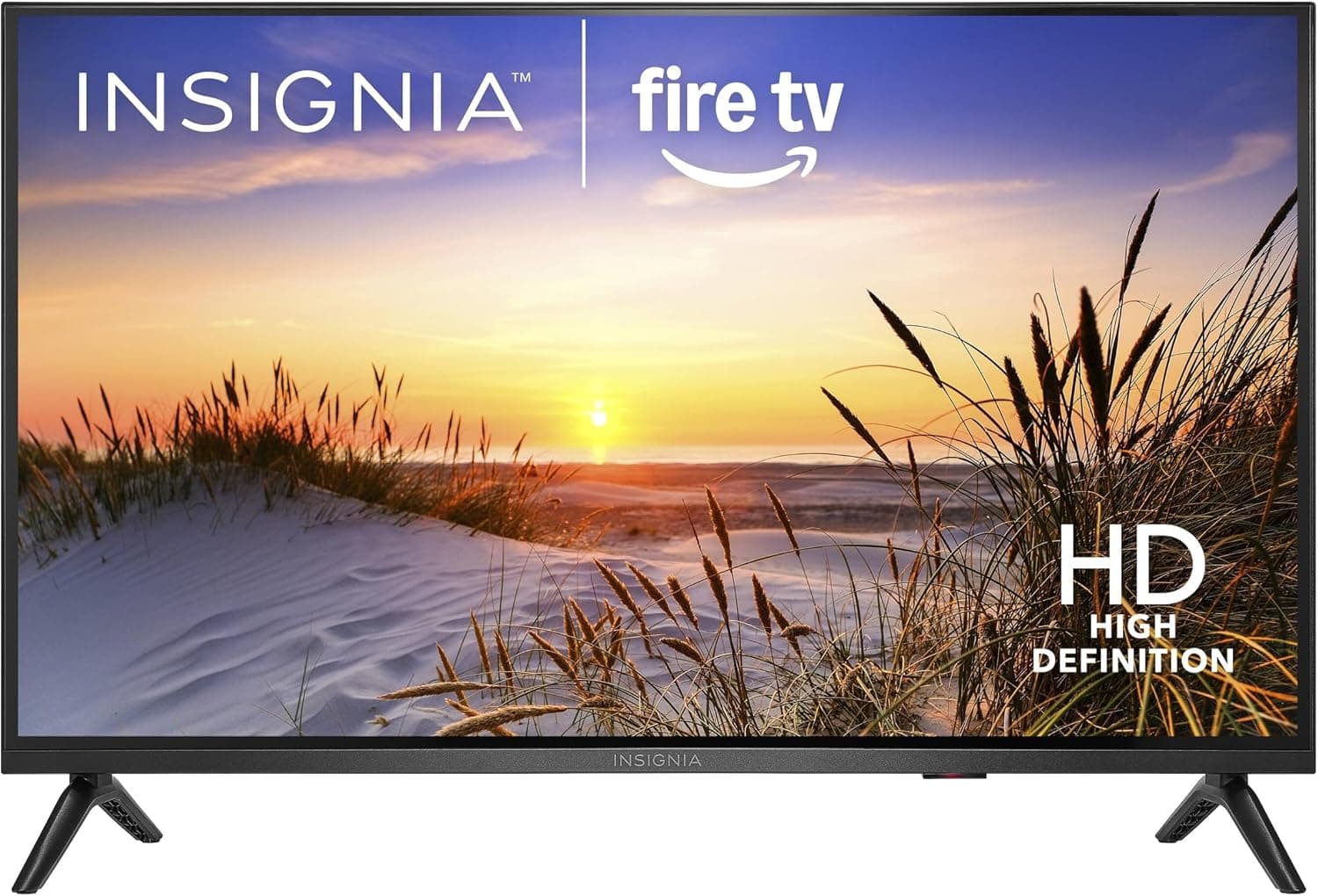
Electronics
Insignia 32" F20 Fire TV
THE APPEALFull Fire TV and Alexa voice in a tiny, cheap set
THE QUESTIONIs this cheap 32-inch Fire TV good enough?
Read the analysis