Jackery Explorer 300 Review: Is It Worth It?
A 7-pound, 292Wh portable power station with two AC outlets and a 300W limit. Best for campers, road trippers, and anyone who needs to keep phones, laptops, cameras, or a CPAP running off-grid.
- The appeal
- Just 7 pounds with a 100W USB-C laptop port
- The catch
- Small 292Wh capacity and a hard 300W ceiling

As an Amazon Associate, we earn from qualifying purchases.
Our Jackery Explorer 300 video review
Key features
- Light at about 7 pounds, easy to carry
- 100W USB-C PD charges most laptops directly
- Pure sine wave AC, safe for CPAP and cameras
- Six ports power six devices at once
- 4.6 stars from over 11,000 ratings
- Recharges from the wall in about 4 hours
Limitations
- 292Wh runs out fast on big loads
- 300W limit rules out kitchen and heating appliances
- Listing contradicts itself on battery chemistry
- No expansion battery, capacity is fixed
What exactly are you buying?
The Jackery Explorer 300 is a small battery in a box with outlets. You get 292Wh of storage (one line in the spec sheet says 293Wh, close enough), a 300W continuous output with a 600W surge, and a decent spread of ports: two AC wall outlets, one 100W USB-C PD port, two USB-A ports, and a 120W car port. That covers up to six devices at once. It weighs about 7 pounds, has a fixed carry handle, and ships with the AC adapter and a car charging cable. No solar panel is included, despite the "Built-In Media: Solar panel" line buried in the specs, so don't count on one in the box.
Think of 292Wh as a tank of electricity. It will recharge a typical phone roughly 15 to 20 times, top off a laptop 4 or 5 times, or run a 10W CPAP for the better part of a night (less if you use the heated humidifier, which drinks power). It is not going to run a space heater, a microwave, or a hair dryer. Those pull well past 300W and the unit just shuts off to protect itself.
Who is it for, and who should skip it?
Buy it if your off-grid needs are modest and specific: car camping, van trips, drone and camera batteries, a laptop for remote work, a fan, string lights, or CPAP backup for a night. At 7 pounds it's genuinely easy to toss in a trunk or carry a short distance, which is more than you can say for the 25-pound units a tier up. The pure sine wave AC output matters for sensitive electronics like CPAP machines and camera chargers, and this unit has it.
Skip it if you want whole-home backup or you expect to run a full-size fridge, a coffee maker, or power tools. The 300W ceiling and 292Wh capacity are the hard limits here. If you're shopping to keep the lights on through a multi-day outage, you want something in the 1,000Wh-and-up range instead.
What sets it apart from the pack?
Two things: weight and port count for the size. Jackery claims it's 17% lighter than the industry average, and at around 7 pounds it is easy to live with. The 100W USB-C PD port is the standout. A lot of power stations this small cap USB-C at 60W, and 100W means you can fast-charge most USB-C laptops without touching the AC inverter, which is more efficient and quieter.
Jackery's other real advantage is boring but important: it's an established brand with a huge installed base. The 4.6-star average across more than 11,000 ratings tells you the basics (ports work, it holds a charge, the inverter behaves) are sorted. That track record is worth something when you're trusting a battery to keep your CPAP running.
What do the numbers actually mean?
292Wh capacity, 300W rated output, 600W peak surge. In plain terms: add up the wattage of everything you plug in and keep it under 300W, or the Explorer 300 cuts power. A 60W laptop plus phone charging is fine. A 700W toaster is not.
Recharge times are reasonable. From the wall with the AC adapter, Jackery lists about 4 hours to full. With a 100W solar panel (sold separately) you can reach 80% in roughly 2.8 hours of good sun; a small 40W panel stretches that to about 7.5 hours, which is really just trickle-topping. Runtime depends entirely on your load, but the listed 5-hour figure lines up with running something around 50W to 60W continuously.
One number to verify before you buy: the battery chemistry. The feature bullets claim premium LiFePO4 cells with 4,000+ cycles and an 11-year life, but the spec sheet lists "Lithium Ion." Those are not the same thing, and the original Explorer 300 shipped with standard lithium-ion (NMC), which typically delivers around 500 cycles to 80% capacity, not 4,000. This is a meaningful gap. If long cycle life is why you're buying, message the seller and confirm the actual cell type for the exact unit you're getting, because the listing contradicts itself.
Where does it fall short?
The capacity is the obvious one. 292Wh runs out fast if you're charging anything demanding, and there's no expansion battery option, so what you buy is what you get. The 300W inverter rules out most kitchen and heating appliances.
The listing itself is sloppy, which makes it harder to trust. Dimensions appear twice with very different numbers (15.43 x 9.92 x 11.89 inches versus 9.1 x 5.2 x 7.8 inches; the smaller set matches the real unit). Weight is given as both 7.5 and 7.1 pounds. The color is listed as "E300," the media says a solar panel is built in when it isn't, and then there's the LiFePO4-versus-lithium-ion mismatch. None of this breaks the product, but it means you should treat the fine print with some caution and confirm specifics with the seller. The warranty is a 2-year manufacturer policy, which is standard but not generous for a battery product.
How does it compare to the alternatives?
Against bigger Jackery units like the Explorer 500 or 1000, the 300 trades capacity for portability and a lower entry point. If you find yourself constantly recharging it, you bought too small, and the step up is the fix.
Against competitors like the EcoFlow River 2 or Anker 521 in the same size class, the Explorer 300's weak spot is chemistry. Several rivals now ship confirmed LiFePO4 cells with much longer rated lifespans and faster recharge, which is exactly the thing this listing is murky about. Where the Jackery wins is the proven reliability and the 100W USB-C port. If cycle life is your priority and you want it in writing, a clearly-labeled LiFePO4 competitor is the safer pick. If you want a light, dependable camping and CPAP battery from a brand with a long track record, the Explorer 300 earns its spot.
The verdict
For what most people will actually do with it (camping, road trips, keeping phones, laptops, cameras, and a CPAP alive off-grid) the Explorer 300 is a good, genuinely portable choice backed by a strong ownership record. Just go in clear-eyed: it's a small battery with a 300W ceiling, not a home backup, and the listing's claims about battery chemistry and cycle life need confirming before you lean on them. Buy it for the right job and you'll be happy. Score: 7.8 out of 10.
Jackery Explorer 300 specs
- Brand
- Jackery
- Color
- E300
- Runtime
- 5 hours
- Voltage
- 120 volts
- Wattage
- 300 watts
- Amperage
- 10 A
- Unit Count
- 1 Count
- Form Factor
- Compact
- Item Weight
- 7.1 pounds
- Manufacturer
- Jackery
- Model Number
- JE-300E
- Maximum Power
- 300 watts
How we made this review
We recorded a video review of this product (above) and combined it with the manufacturer's specifications, the product listing and verified owner feedback. We weigh every product against the alternatives shoppers usually consider, and our editors check every verdict and score. We don't accept free products or payment for reviews. Our approach.
Is the Jackery Explorer 300 worth it for you?
Is this small power station enough for camping?
More in Electronics
Electronics
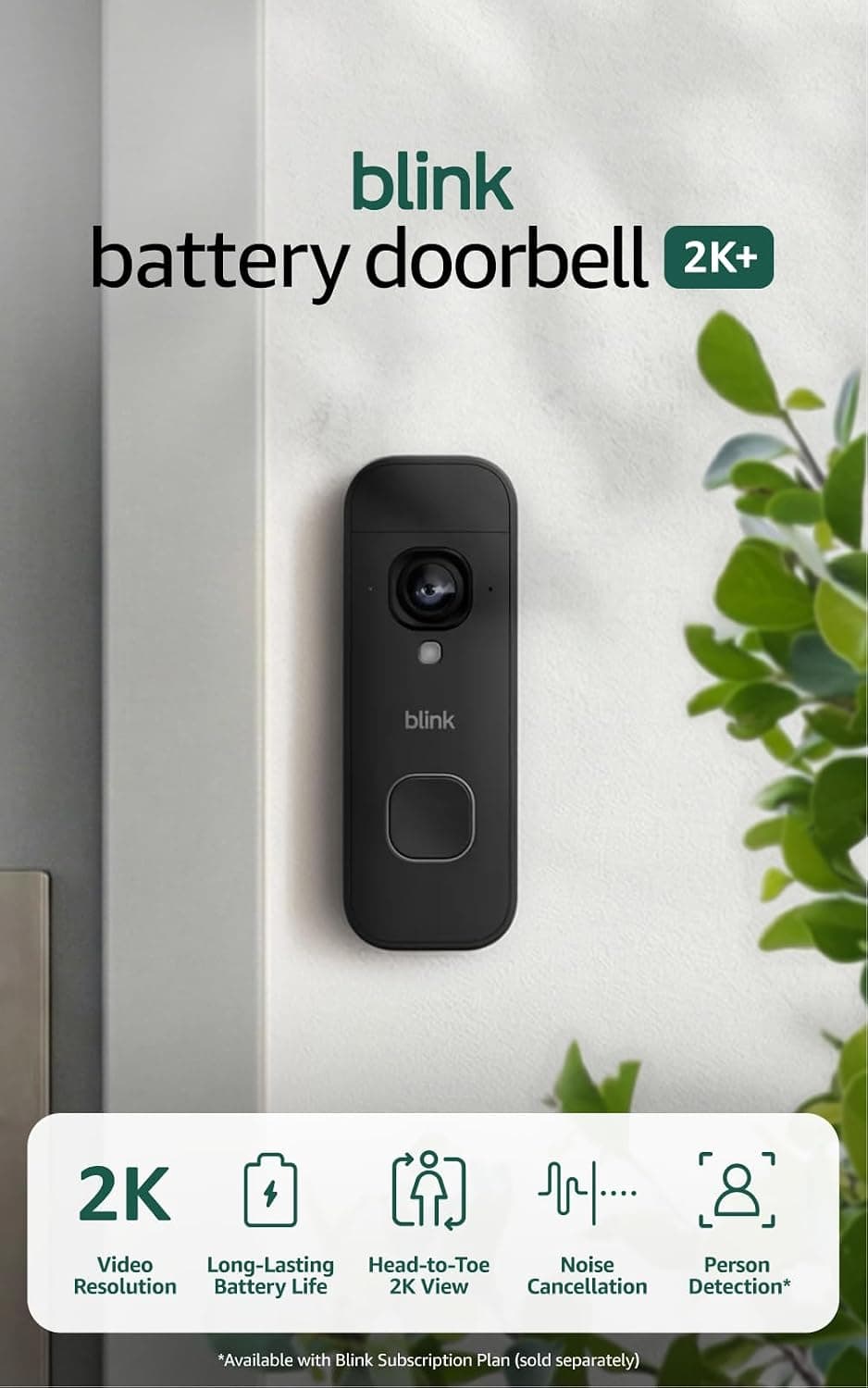
Blink Battery Doorbell 2K+
THE APPEALSharp 2K head-to-toe view installs in minutes, no wiring
THE QUESTIONShould you buy the Blink 2K+ video doorbell?
Read the analysis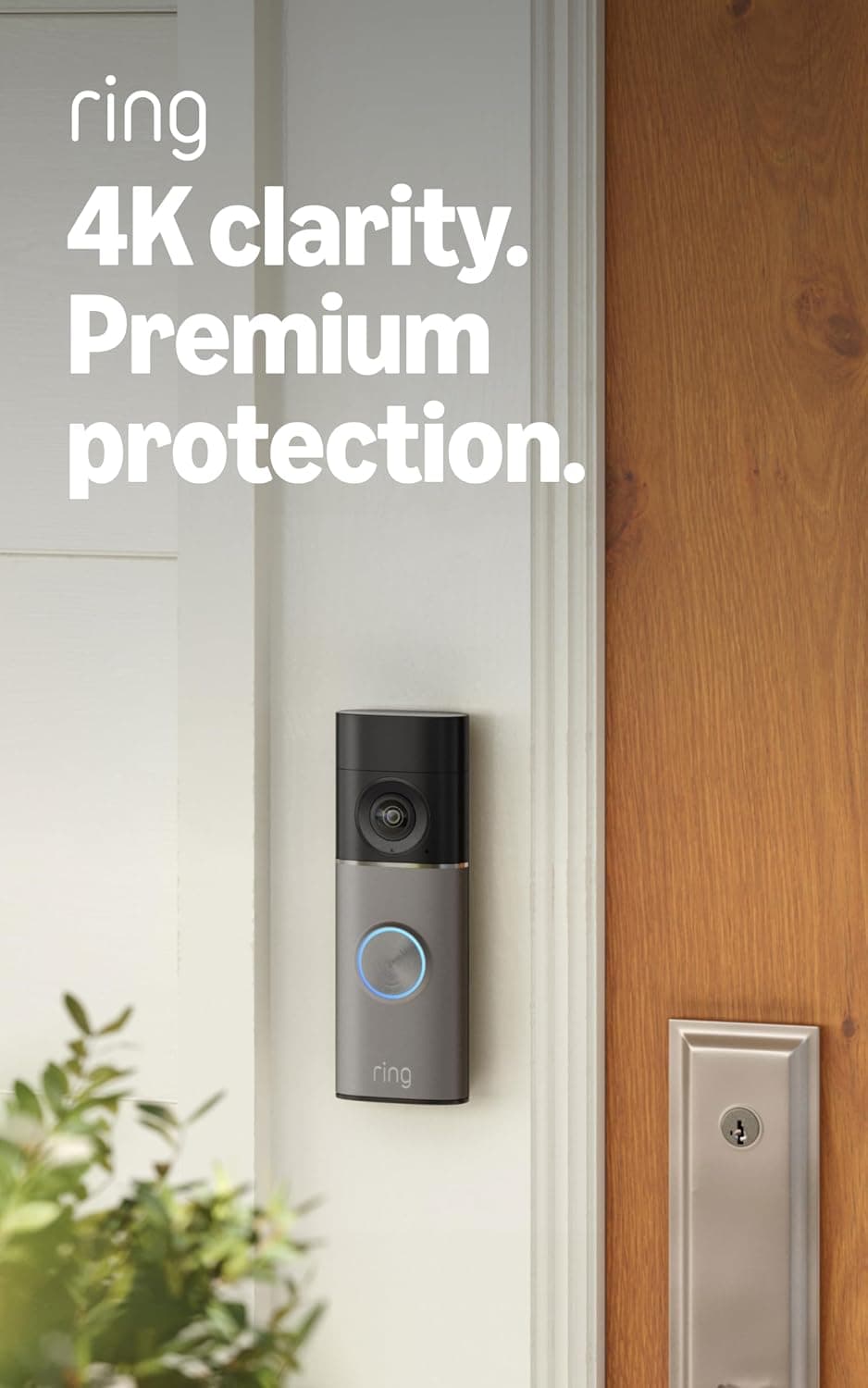
Electronics
Ring Battery Doorbell 4K Pro
THE APPEALSharpest 4K image Ring sells, with usable 10x zoom
THE QUESTIONShould you buy Ring's 4K Pro battery doorbell?
Read the analysis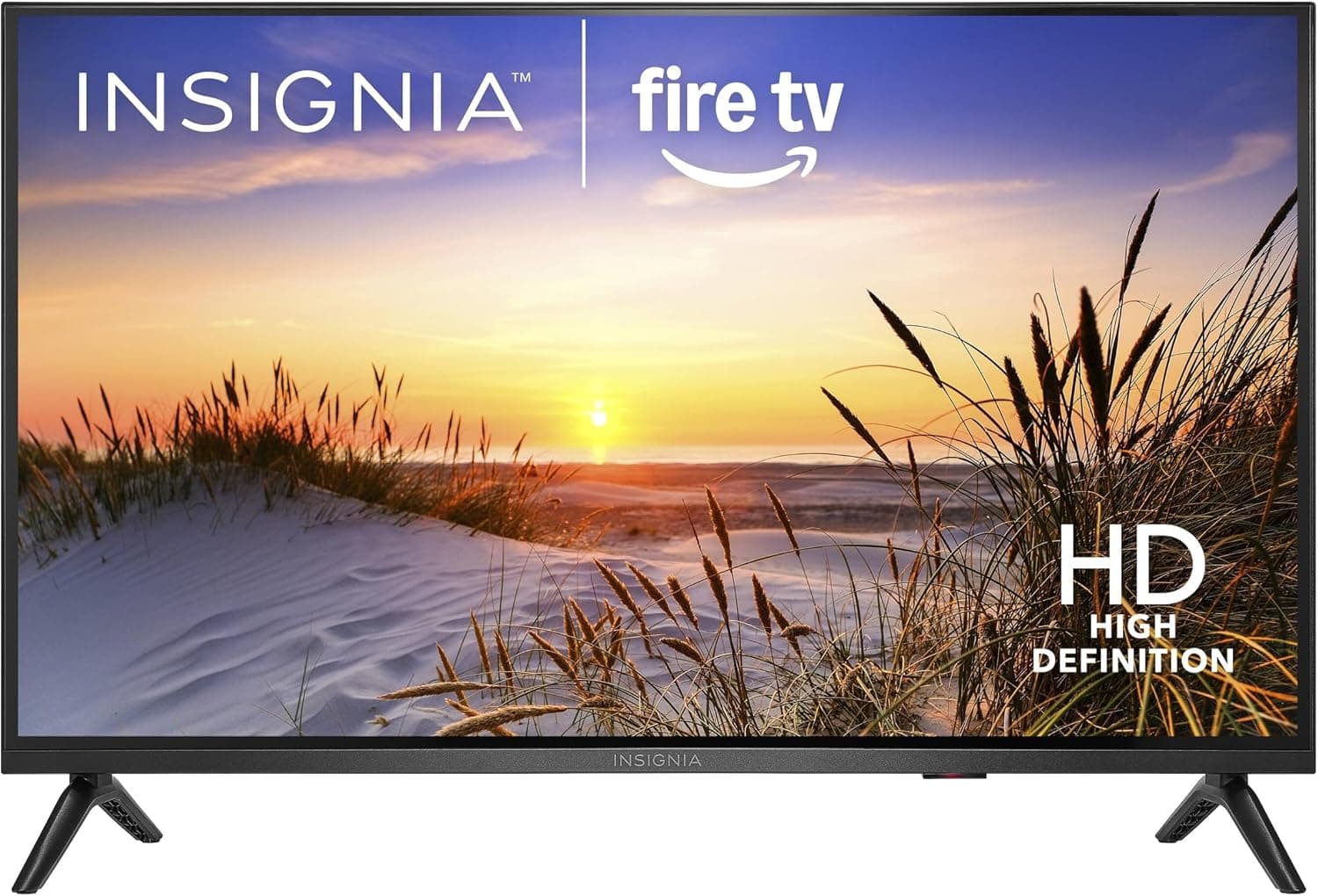
Electronics
Insignia 32" F20 Fire TV
THE APPEALFull Fire TV and Alexa voice in a tiny, cheap set
THE QUESTIONIs this cheap 32-inch Fire TV good enough?
Read the analysis