BUYING GUIDE · October 21, 2026
Cordless vs 12V Tire Inflator (2026): Which One Actually Fits Your Car
A practical comparison of cordless and 12V tire inflators, with trade-offs explained and two AstroAI models matched to different driver needs.


Quick answer
If you want the simplest, most reliable setup and don't mind a cord, get a 12V plug-in inflator like the AstroAI AIRUN H Tire Inflator. It draws power straight from your car's outlet, so you never worry about a dead battery. If you want to inflate a tire without starting the car, or use the pump away from the vehicle (bike, ball, emergency kit), go cordless with the AstroAI L7 Tire Inflator, which runs on a built-in battery.
Both are from the same brand and both hit a similar benchmark (30 to 36 PSI on a 195/65R15 tire in under two minutes), so the real decision is about power source and use case, not raw speed.
How we'd think about this decision
The "cordless vs 12V" question really breaks down into three practical trade-offs:
- Power source: A 12V unit plugs into your car's accessory outlet, so it has unlimited runtime as long as the engine or battery can supply power, but it's tethered to the car. A cordless unit has a rechargeable battery, so it works anywhere, but that battery can run low and needs to be charged ahead of time.
- Portability: Cordless units tend to be lighter and smaller since they skip the cord, which matters if you're also inflating bike tires, sports balls, or anything away from the car.
- Reliability in an emergency: A 12V inflator only works if your car still has electrical power. A charged cordless inflator works even if the car battery is dead, which is the scenario where a flat tire is most likely to turn into a real problem.
Neither style is universally "better" — the right pick depends on where and how you expect to use it.
What to check on any listing before buying
- Auto shut-off and preset pressure: Look for a unit that stops automatically at a target PSI, so you're not watching a gauge and guessing when to stop.
- Duty cycle: Many portable inflators need a cool-down period after continuous use. Check how many minutes of run time you get before the unit needs to rest, especially if you plan to fill multiple tires in one session.
- Max tire size: Battery-powered units sometimes have a stated size limit (for example, not rated for larger truck tires), so confirm the unit matches your vehicle's tire size.
- Included accessories: Needle valves for balls, Presta adapters for bike tires, and extension hoses determine how versatile the inflator is beyond car tires.
- Battery capacity and charging ports (cordless only): A larger battery means more tires per charge, and USB charging ports can double as a backup power source for a phone in an emergency.
The models we reviewed
AstroAI AIRUN H Tire Inflator
- The appeal
- Stops automatically at your preset pressure, in PSI or three other units
- The catch
- Needs a 10-minute cool-down after 15 minutes of use

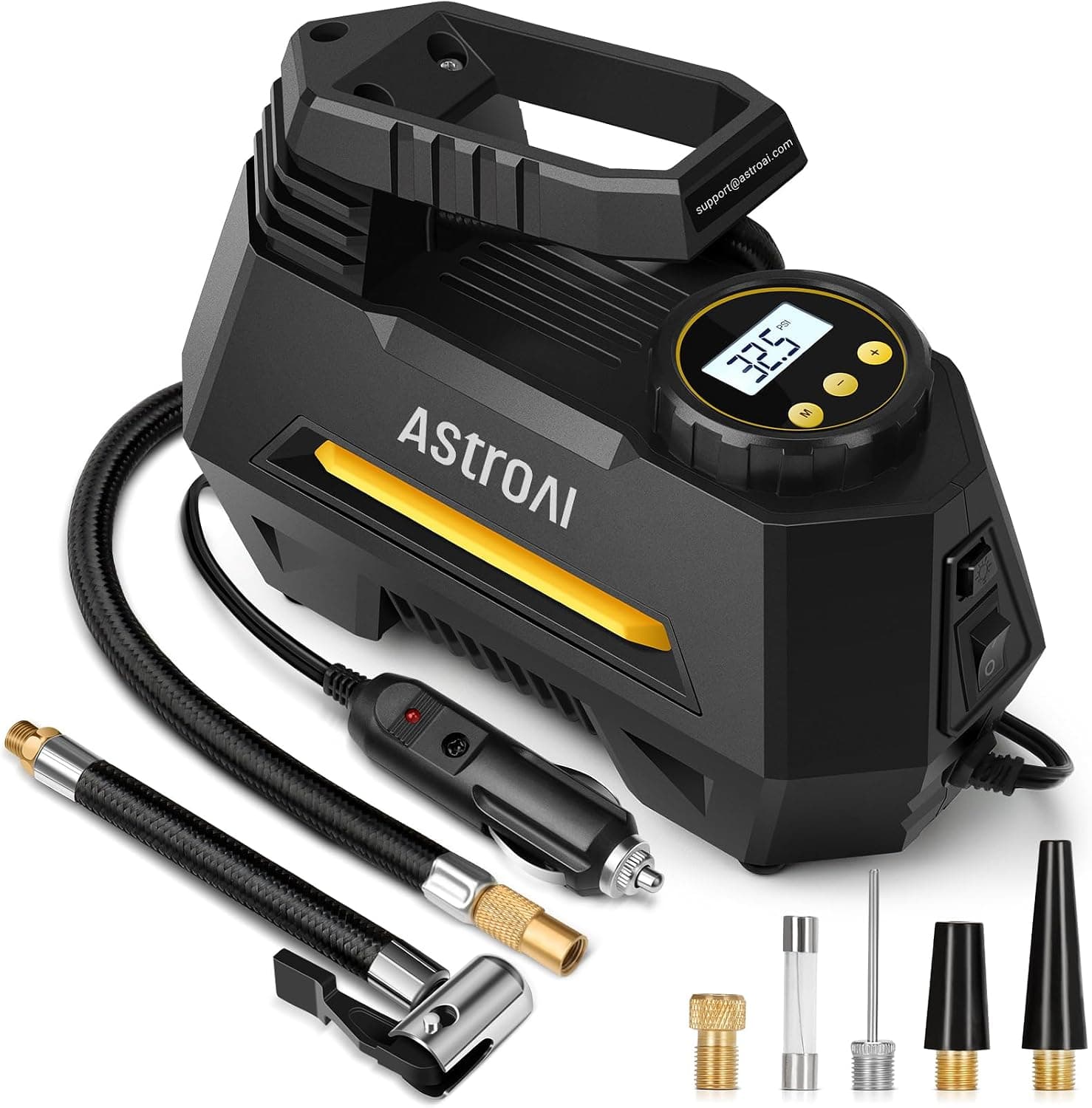
The AstroAI AIRUN H is a 12V DC plug-in inflator built around a 120W motor rated at 35L/min, which the listing says fills a standard 195/65 R15 tire from 30 to 36 PSI in under a minute. It has a digital preset function across four pressure units (PSI, kPa, Bar, kg/cm²), an auto shut-off that stops at your target pressure, and a backlit LCD. It plugs into a standard 12V car outlet and comes with a 9.8-foot cord plus a 15A fuse for circuit protection, so it reaches tires on most vehicles without repositioning the car.
The appeal here is the automatic, "set it and forget it" stop at your chosen pressure, removing the guesswork of watching a gauge. The catch is thermal management: after 15 minutes of continuous use, it needs a 10-minute cool-down before you can keep going, which matters if you're filling several low tires back-to-back. It also includes an LED light for nighttime use, a needle valve and ball adapter, a Presta-to-Schrader adapter for bikes, and a spare fuse. It's rated for cars, motorcycles, and bicycles, but the maker notes it's not built for high-volume items like pool floats or air mattresses. At 2.2 pounds, it's light enough to leave in a glove box or trunk permanently since it has no battery to maintain.
AstroAI L7
- The appeal
- Fills a 195/65R15 tire from 30 to 36 PSI in 1.5 minutes
- The catch
- Can't handle tires over 25 inches; rests 10 min after 15
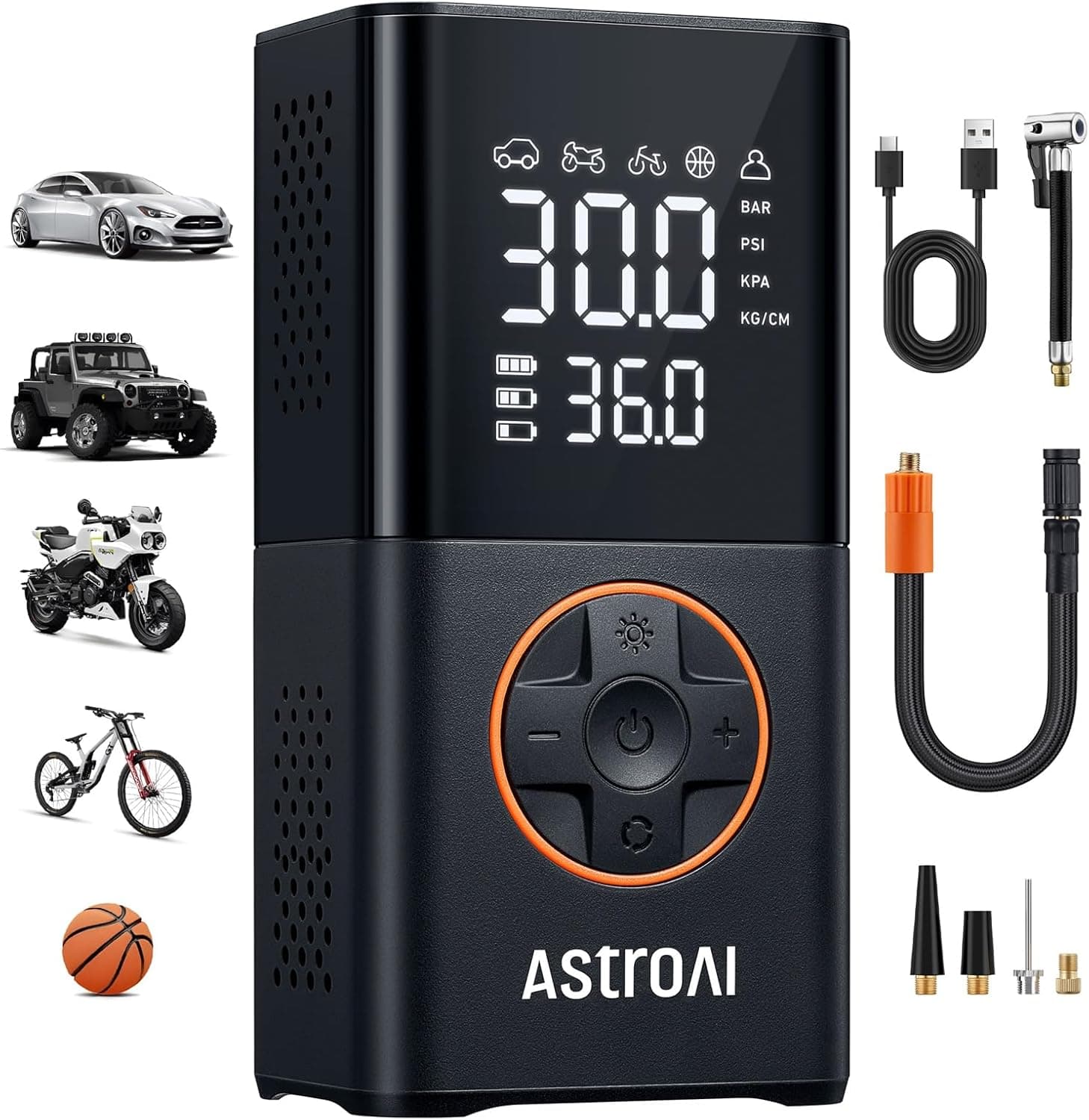
The AstroAI L7 is the cordless option, powered by a built-in 4000mAh battery that AstroAI says is good for up to eight tire fills (195/65R15, 30 to 36 PSI) on a single charge. It uses the same kind of digital preset system as the AIRUN H, with 4+N smart modes (car, motorcycle, bicycle, ball, and custom) and four pressure units, plus a sensor that AstroAI claims samples pressure 200 times per second for more consistent readings. It tops out at 150 PSI and weighs under a pound, making it the more compact and travel-friendly of the two.
The main appeal is being able to inflate a tire from 30 to 36 PSI in about 1.5 minutes without needing the car running or even nearby. The catch is a stated limit: it's not suitable for tires larger than 25 inches, such as heavy-duty truck tires, and like the AIRUN H, it needs a 10-minute rest after 15 minutes of continuous use. It also doubles as an emergency tool, with a flashlight that has flashlight, SOS, and strobe modes, and USB-C input/output ports that can charge a phone in a pinch. Because it relies on a battery, it's worth checking the charge level periodically so it's ready when you actually need it.
Which one fits your car
For a daily commuter or family car where the inflator mostly lives in the trunk and gets used near the vehicle, the plug-in AstroAI AIRUN H is the lower-maintenance choice since there's no battery to remember to charge. For anyone who also inflates bike tires, sports equipment, or wants a pump that works even if the car battery dies, the cordless AstroAI L7 is more flexible, as long as you keep it charged and your tires fall within its stated size limit.
Bottom line
Both models are built around the same core promise — fast, automatic inflation without a manual gauge — so the choice comes down to whether you'd rather plug into the car (AIRUN H) or carry a charged battery with you (L7). If you're unsure, think about where the flat tire is most likely to happen: in your own driveway, a 12V unit is fine; on the side of the road with a weak battery, cordless is the safer bet.
More reviews in this category
Car & Automotive
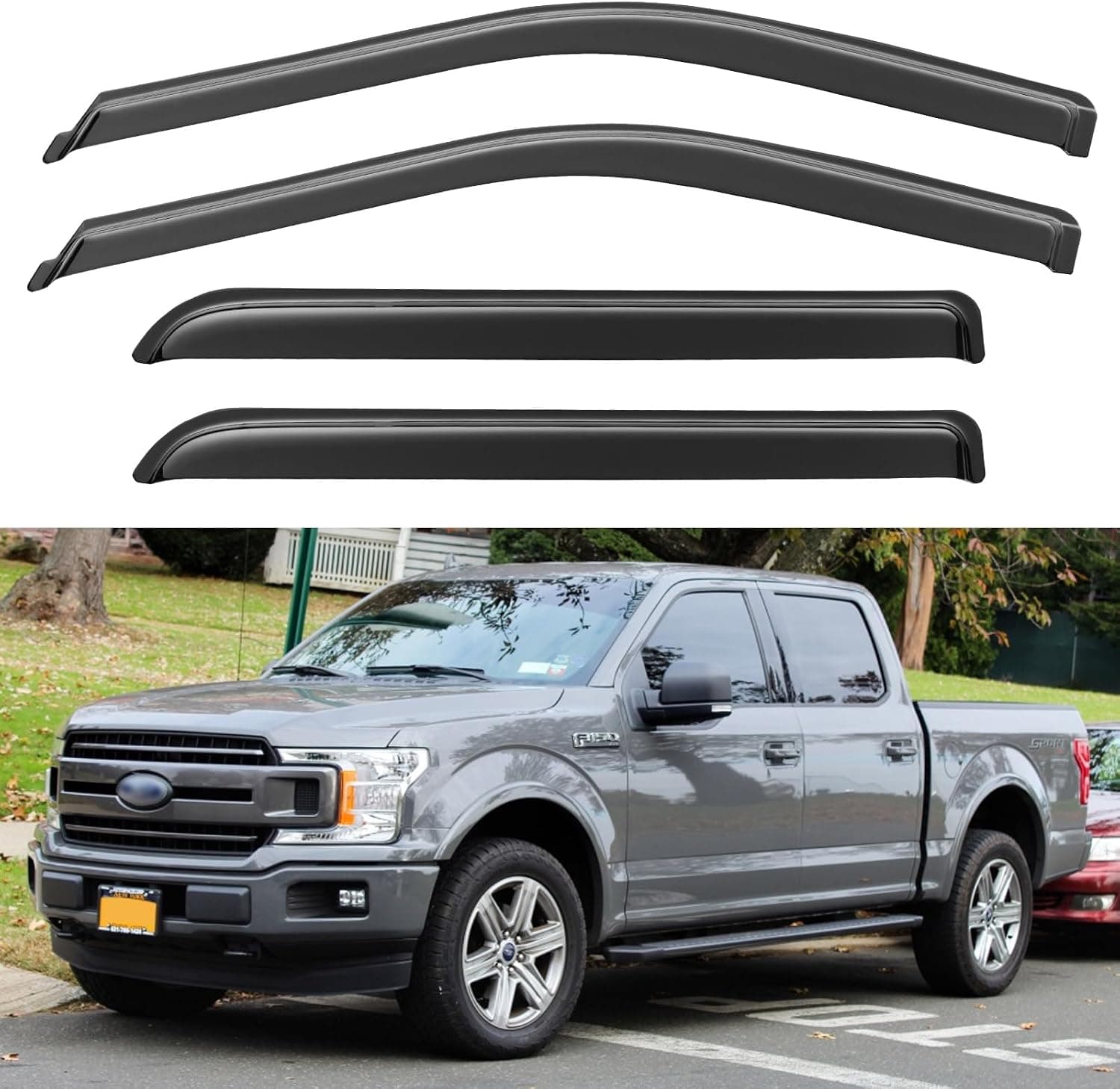
YQAUTEC F-150 Window Visors
THE APPEALOne four-piece set fits F-150 SuperCrew and Super Duty crew cabs
THE QUESTIONShould you add tape-on rain guards to your F-150?
Read the analysis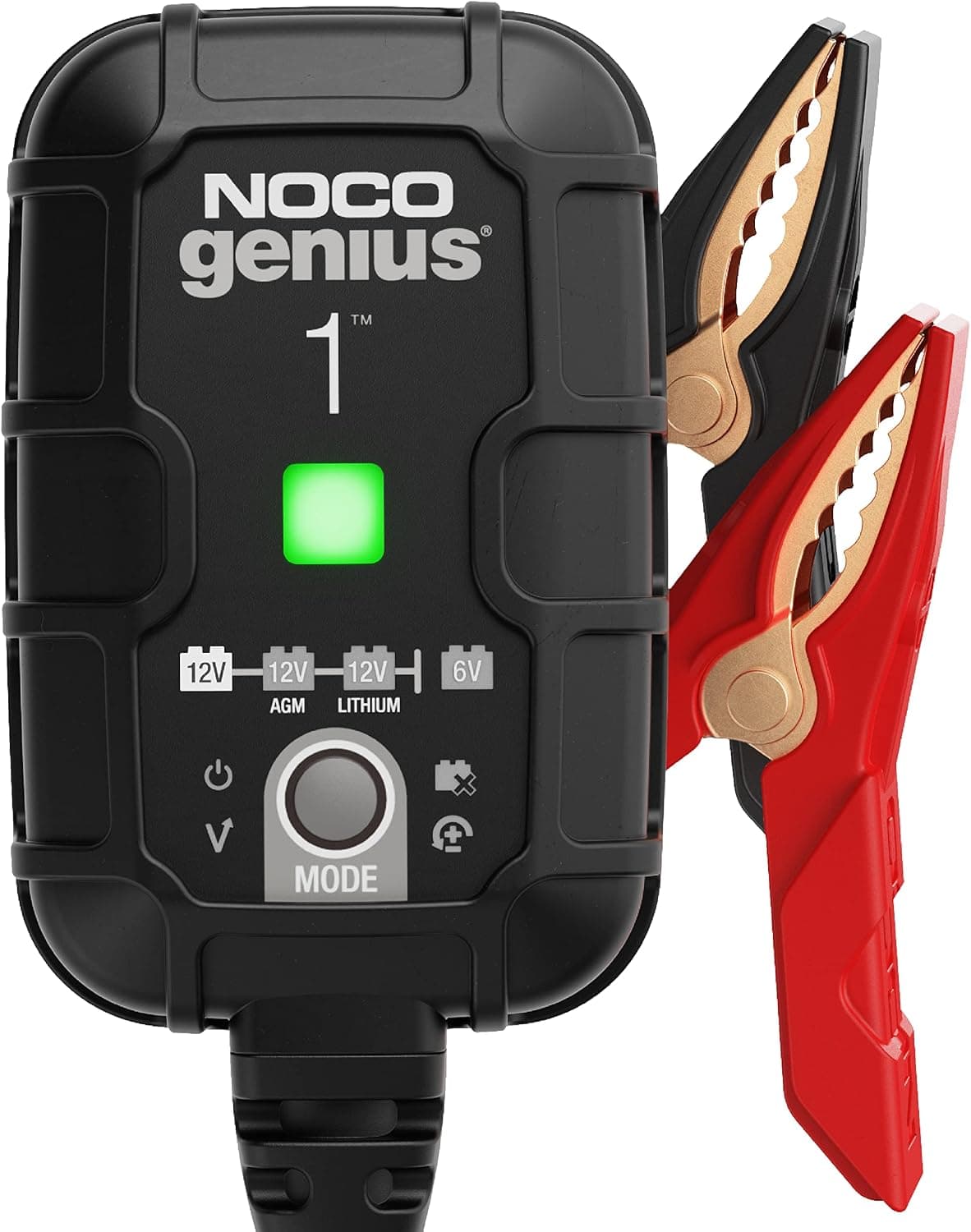
Car & Automotive
NOCO GENIUS1
THE APPEALCharges batteries drained to zero volts using Force Mode
THE QUESTIONIs the GENIUS1 the right maintainer for your stored vehicle?
Read the analysis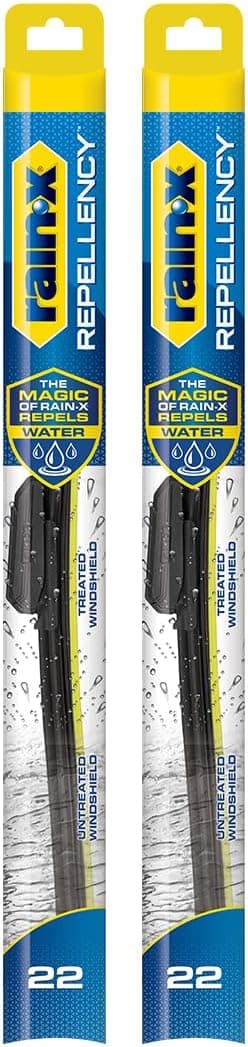
Car & Automotive
Rain-X 810363 Wiper Blades
THE APPEALCoats the windshield with water repellent on every wipe
THE QUESTIONShould you upgrade to Rain-X Repellency wiper blades?
Read the analysisAs an Amazon Associate, we earn from qualifying purchases.