AstroAI L7 Review: 1.5-Minute Fills, 25-Inch Tire Limit
The AstroAI L7 is a cordless, battery-powered tire inflator under 1 pound that tops off car, motorcycle, bike and ball pressures and shuts off at a preset target. It suits drivers and cyclists who want a glove-box pump, not owners of large truck tires.
- The appeal
- Fills a 195/65R15 tire from 30 to 36 PSI in 1.5 minutes
- The catch
- Can't handle tires over 25 inches; rests 10 min after 15

As an Amazon Associate, we earn from qualifying purchases.
Our AstroAI L7 video review
Key features
- Weighs 15.36 oz and fits in a glove box
- Presets plus custom 3–150 PSI target with auto shut-off
- Tops off a 195/65R15 tire from 30 to 36 PSI in about 1.5 minutes
- 4000mAh battery rated for up to 8 tire top-offs
- Built-in flashlight with SOS and strobe modes, plus USB phone charging
- Comes with Presta and needle adapters and a 2-year warranty
Limitations
- Not suitable for tires larger than 25 inches
- Needs a 10-minute rest after 15 minutes of use
- Charges from a slow 5V/1A USB input
- Listing gives no hose length or full recharge time
Who should buy the AstroAI L7, and who should skip it?
The AstroAI L7 is a cordless tire inflator for people who want to top off tires at home or on the roadside instead of using a gas station air machine. It covers passenger car tires, motorcycles, bicycles (including Presta valves with the included adapter), e-bikes and sports balls. If you drive a sedan, crossover or small SUV, ride a bike, or just want something in the trunk for a slow leak, it fits.
Skip it if you mostly need air for heavy-duty truck tires. AstroAI says it is not suitable for tires larger than 25 inches. Also look elsewhere if you plan to fill several large items back to back, such as a set of big off-road tires or an air mattress. The L7 needs a 10-minute rest after 15 minutes of continuous running.
What sets the L7 apart from other cordless inflators?
AstroAI's main pitch is the TrueGauge pressure sensor. The company says it samples pressure 200 times per second and has a valid data rate above 80%, which AstroAI calls 60% better than the market average. We can't verify those figures independently. The practical point is a steadier digital reading than the jittery needle on many older pumps. In our video review, we found the top-mounted display big enough to read at a glance, which helps in a dark parking lot.
The L7 also combines several emergency tools in one case:
- Preset modes for car, motorcycle, bicycle and ball, plus a custom mode you can set anywhere from 3 to 150 PSI
- Four pressure units: PSI, Bar, kPa and kg/cm²
- Auto shut-off once the target pressure is reached
- A flashlight with regular, SOS and strobe modes
- USB-C and USB ports that can charge a phone from the internal battery
Many inflators in this class have presets and auto-off. The L7 stands out for combining them with a sub-1-pound body and a very large base of owner ratings.
Which specs matter, and what do they mean in practice?
- Maximum pressure: 150 PSI. That's far more than a car tire needs, which usually sits in the 30s. The headroom matters mainly for high-pressure road bike tires.
- Inflation speed: 30 to 36 PSI in about 1.5 minutes on a 195/65R15 tire, per AstroAI. That's a common compact-car size. Expect longer times for larger SUV tires or a completely flat tire.
- Battery: 4000mAh, rated to refill up to 8 tires of that size from 30 to 36 PSI on one charge. That's enough for routine top-offs, but it's not meant to fill a full set of flat tires from zero.
- Duty cycle: 15 minutes on, 10 minutes off. This is a typical limit for a small compressor and protects it from overheating.
- Weight: 15.36 oz. It fits in a glove box, backpack or bike bag.
- Noise: 80 dB, per the listing. That's loud enough that you'll want to keep it away from your ears, but it only runs for short stretches.
- Charging: AstroAI recommends a 5V/1A USB adapter. If overheat protection kicks in, the unit won't charge until it has cooled for about 10 minutes. The listing doesn't give a full recharge time, so check the manual or the Q&A section if that matters to you.
- Warranty: 2 years from the manufacturer.
Two listing specs look like catalog errors: "12 volts" and a "35 liter" tank volume. The L7 runs on an internal battery and has no tank, so don't use those numbers to compare it with other models.
What comes in the box?
The L7 ships with two air nozzles for balls and inflatables, a needle valve adapter, a Presta-to-Schrader adapter, a quick connector, a USB charging cord and a user manual. In our video review, we noted that you shouldn't need to buy extra adapters for common bikes or sports balls. The listing doesn't give the air hose length, so check photos or owner reviews if your valve stems are hard to reach.
What are the limitations and trade-offs?
- Size limits. The 25-inch tire limit rules out heavy-duty trucks and large off-road setups.
- Short duty cycle. At 15 minutes of runtime before a 10-minute rest, it's a top-off tool, not a shop compressor.
- Finite battery. Eight small-tire top-offs per charge is enough for routine use. But if you forget to recharge it, it won't help much in an emergency. Charge it every few months if it lives in your trunk.
- Slow charging input. A 5V/1A adapter is slow by modern standards, and heat blocks charging until the unit cools.
- Marketing claims. The sensor accuracy figures come from AstroAI, not independent testing. If exact readings matter, compare them against a trusted standalone gauge.
How does it compare with the alternatives shoppers weigh?
Gas station air machines are free or cheap per use, but they're inconvenient and their gauges vary. The L7 is always with you and stops at a set pressure.
12V plug-in inflators that run from a car's accessory socket never run out of battery and often run longer between rests. They also need a cord and a running car, and they can't be used on a bike away from the vehicle. The L7 trades that endless runtime for portability.
Manual floor or frame pumps need no charging and work well for bikes, but they're slow and tiring for car tires. The L7 handles both jobs.
Larger cordless inflators, including models that take power-tool batteries, usually fill tires faster and handle bigger tires. They're heavier and bulkier than the L7's sub-1-pound body.
What do owners say?
The L7 has a 4.4 out of 5 rating from more than 18,000 Amazon ratings and ranks #1 in Wheel & Tire Air Compressors & Inflators. That's a large sample, and it points to broad satisfaction with routine top-offs. Before you buy, read recent critical reviews for patterns in battery life after long storage and in gauge accuracy.
Is the AstroAI L7 worth it? Final verdict
Yes, for most car owners and cyclists. The L7 is light, easy to set up, and turns itself off at your target pressure. In our video review, it came across as a tool you can grab in a hurry and trust for a quick top-off. The flashlight and power-bank function are useful extras for roadside emergencies. Its limits are real: no large truck tires, a short duty cycle and a battery you have to keep charged. If you need a compact inflator for everyday vehicles and bikes, it earns a spot in the trunk.
Score: 8.2/10. Verdict: Worth it.
AstroAI L7 specs
- Brand
- AstroAI
- Color
- Orange
- Noise
- 80 db
- Style
- Modern
- Voltage
- 12 volts
- Capacity
- 35 liters
- Brand Name
- AstroAI
- Item Shape
- Square
- Model Name
- AIRUN L7
- Unit Count
- 1 Count
- Item Weight
- 15.36 ounces
- Noise Level
- 80 db
How we made this review
We recorded a video review of this product (above) and combined it with the manufacturer's specifications, the product listing and verified owner feedback. We weigh every product against the alternatives shoppers usually consider, and our editors check every verdict and score. We don't accept free products or payment for reviews. Our approach.
Is the AstroAI L7 worth it for you?
Should you keep the AstroAI L7 in your car?
Buying guides featuring the AstroAI L7
BUYING GUIDE
How to Choose a Portable Tire Inflator (2026): PSI, Speed and What the Listings Don't Say
A guide to duty cycle, PSI limits, and cordless vs. 12V tradeoffs across four reviewed portable tire inflators for cars, SUVs, and bikes.
BUYING GUIDE
Amazon Car Finds Worth Buying in 2026: 8 Upgrades We Actually Reviewed
Eight Amazon car upgrades for jump-starting, tire inflation, diagnostics, and visibility, reviewed with their real-world catches.
BUYING GUIDE
Cordless vs 12V Tire Inflator (2026): Which One Actually Fits Your Car
A practical comparison of cordless and 12V tire inflators, with trade-offs explained and two AstroAI models matched to different driver needs.
More in Car & Automotive
Car & Automotive
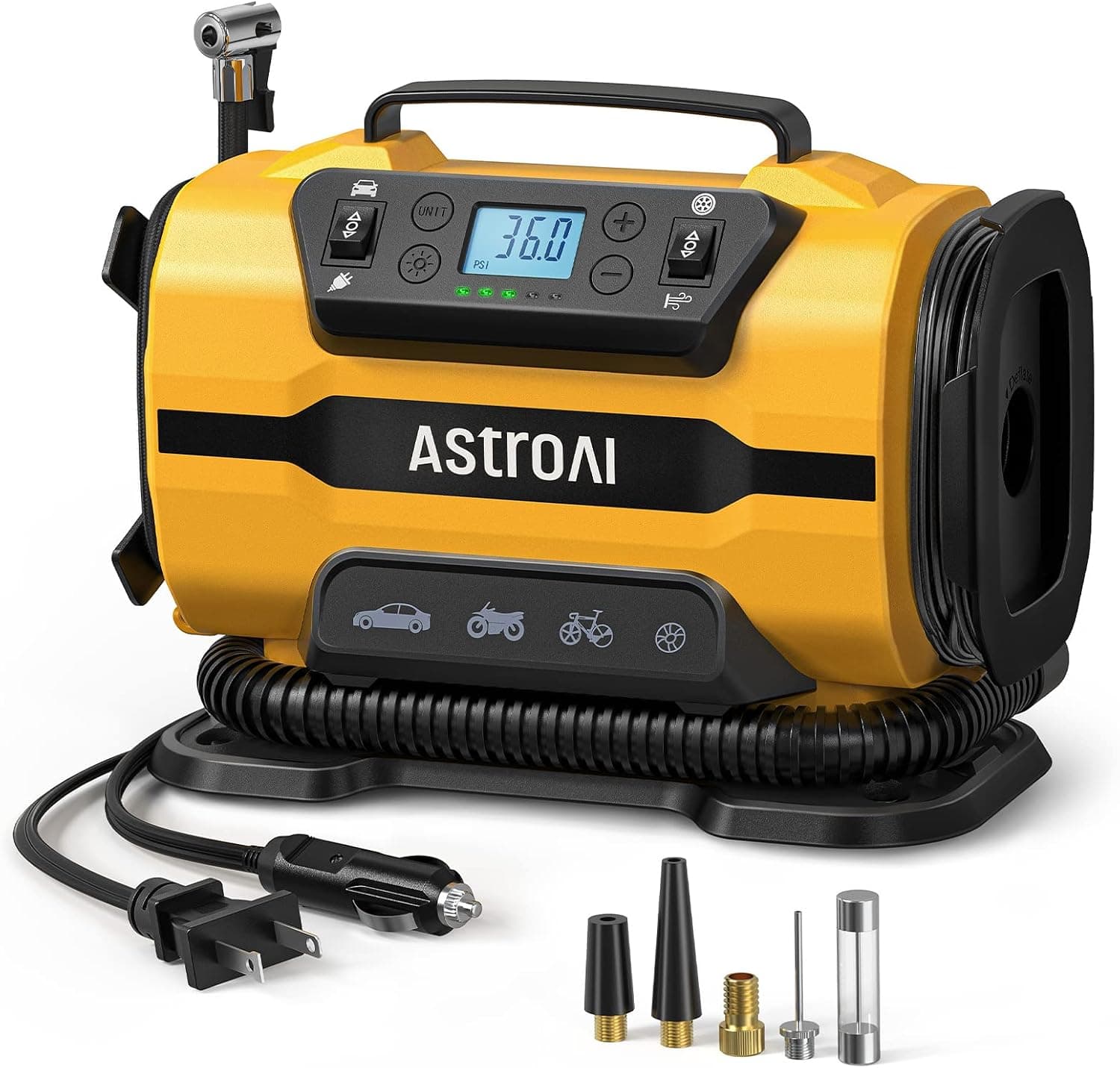
AstroAI ATJ-8366
THE APPEALWorks from car sockets and wall outlets, with a mattress mode
THE QUESTIONShould you buy the AstroAI ATJ-8366 tire inflator?
Read the analysis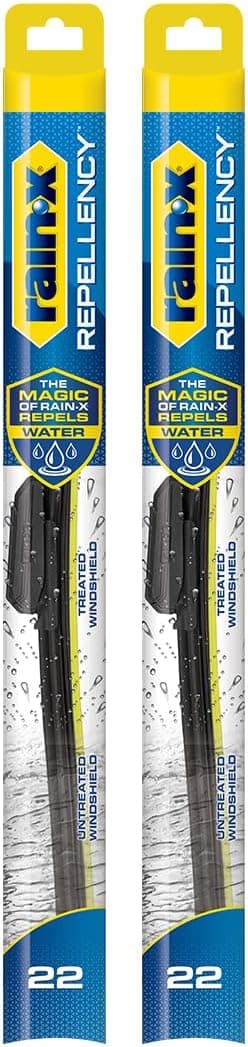
Car & Automotive
Rain-X 810363 Wiper Blades
THE APPEALCoats the windshield with water repellent on every wipe
THE QUESTIONShould you upgrade to Rain-X Repellency wiper blades?
Read the analysis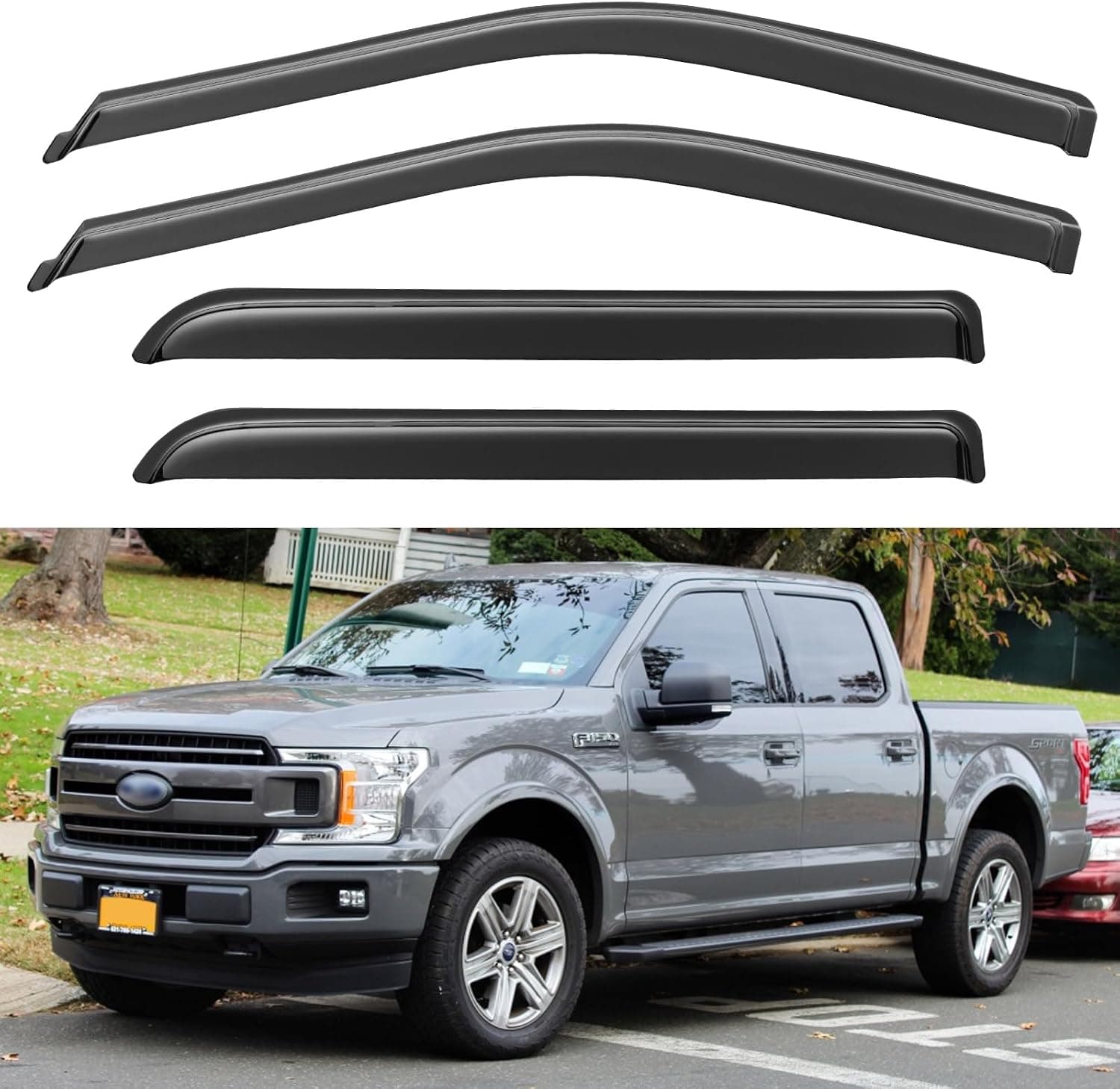
Car & Automotive
YQAUTEC F-150 Window Visors
THE APPEALOne four-piece set fits F-150 SuperCrew and Super Duty crew cabs
THE QUESTIONShould you add tape-on rain guards to your F-150?
Read the analysis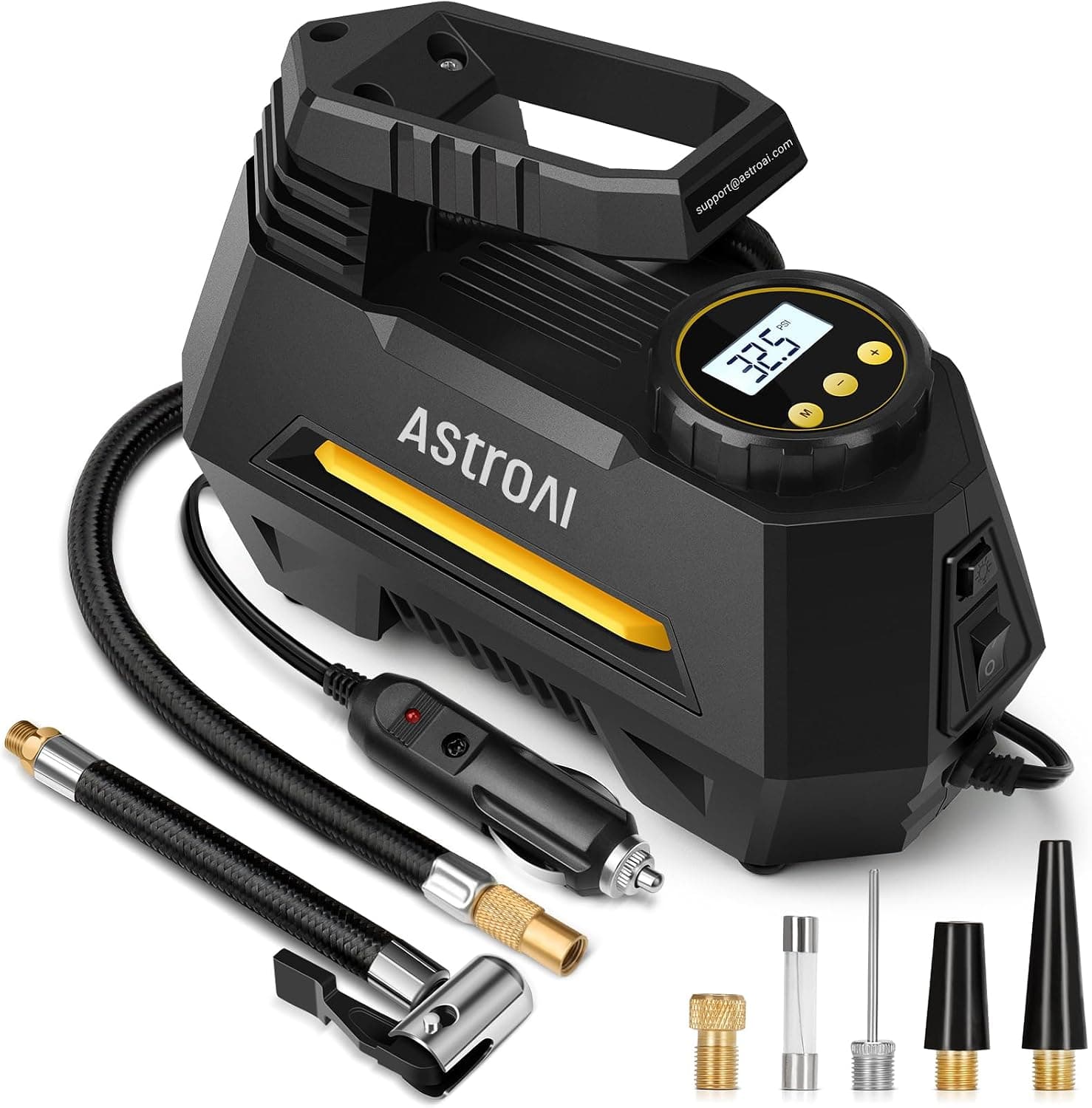
Car & Automotive
AstroAI AIRUN H Tire Inflator
THE APPEALStops automatically at your preset pressure, in PSI or three other units
THE QUESTIONShould you keep this 12V inflator in your car?
Read the analysis
Car & Automotive
NOCO GENIUS1
THE APPEALCharges batteries drained to zero volts using Force Mode
THE QUESTIONIs the GENIUS1 the right maintainer for your stored vehicle?
Read the analysis
Car & Automotive
AstroAI S8 Jump Starter
THE APPEAL1500A peak jumps gas engines up to 6.0L
THE QUESTIONShould you keep the AstroAI S8 in your car?
Read the analysis